 March 2026 in “Berkala Ilmu Kesehatan Kulit dan Kelamin”
 In this observational study of medical students at the University of Muhammadiyah North Sumatra, no significant link was found between wearing headscarves and experiencing hair loss.
 March 2026 in “Balkan Sağlık Bilimleri Dergisi”
 This review discusses the role of nurse navigators in managing polycystic ovary syndrome, highlighting their support in symptom management, lifestyle changes, psychosocial care, and evidence-based practices, but presents no new findings.
 March 2026 in “Voprosy dermatologii i venerologii/Dermatologiâ ža̋ne veneralogiâ ma̋selelerì”
 In this article, the authors describe a successfully treated case of a newborn with ichthyosis using a neonatal protocol involving an incubator with controlled temperature and humidity, sepsis prevention, eye protection, and emollient care without keratolytics during the early neonatal period.
 March 2026 in “Voprosy dermatologii i venerologii/Dermatologiâ ža̋ne veneralogiâ ma̋selelerì”
 This study discusses how polynucleotide-based cosmetic products can improve aging skin in patients with particular morphotypes by restoring cellular metabolism, enhancing microcirculation, and promoting intracellular matrix remodeling, offering potential benefits for reversing chrono- and photo-aging and aiding tissue recovery after cosmetic or surgical procedures.
 March 2026 in “Voprosy dermatologii i venerologii/Dermatologiâ ža̋ne veneralogiâ ma̋selelerì”
 This study highlights the underexplored allergenic potential of Trichophyton rubrum, a dermatophyte, which can trigger IgE-mediated allergic reactions and a Th2 immune response shift, underscoring the need for its inclusion in diagnostic panels and further research for treating chronic mycoses and related allergies.
 March 2026 in “Voprosy dermatologii i venerologii/Dermatologiâ ža̋ne veneralogiâ ma̋selelerì”
 This study conducted among sex workers in Kostanay reported a low HIV prevalence of 0.8% but a high syphilis rate of 15.6%, highlighting significant social risks and emphasizing the need to expand pre-exposure prophylaxis and prevention programs.
 March 2026 in “Advanced medical journal”
 This retrospective study in Duhok, Iraq, found that a minimal incision temporal brow lift achieved higher satisfaction rates in women and patients under local anesthesia, though complications like chronic postoperative pain occurred. Further research is needed to assess long-term efficacy of this brow elevation method.
 February 2026 in “Revista Eletrônica Polidisciplinar Voos.”
 In this integrative narrative review, researchers reported that aromatase inhibition using dutasteride and Serenoa repens after hair transplant can effectively preserve follicles and minimize side effects, suggesting personalized strategies may optimize clinical outcomes and patient satisfaction.
 February 2026 in “Editora Pasteur eBooks”
 This abstract does not report specific research results but introduces a book focusing on the intersection of endocrinology and aesthetic medicine and its growing importance in contemporary clinical practice.
 February 2026 in “Orphanet Journal of Rare Diseases”
 This study identified pathogenic or likely pathogenic gene variants in 70.1% of Russian families affected by hypohidrotic ectodermal dysplasia, expanding knowledge of causative mutations.
 January 2026 in “Scientific Reports”
 In this study, researchers found that sesamin, a component of sesamum, modulated the AR-MAPK-Wnt signaling pathway in DHT-stimulated HaCaT keratinocytes, demonstrating potential multi-target activity against molecular events in androgenetic alopecia.
 January 2026 in “Archive ouverte UNIGE (University of Geneva)”
 This narrative review examined skin-sparing techniques in gynecomastia surgery and found satisfactory thoracic remodeling with acceptable morbidity and reduced scarring, but acknowledged methodological differences that limit decisive conclusions.
 December 2025 in “Therya notes”
 In this study, researchers documented the first instance of alopecia in bats within the Puebla region, specifically affecting two Artibeus jamaicensis and one Choeronycteris mexicana, possibly linked to environmental stress from human activities interfering with their nutrition.
 December 2025 in “Frontiers in Medicine”
 This review details the global mutation patterns of genes associated with autosomal recessive woolly hair/hypotrichosis and highlights potential, yet unproven, treatments like minoxidil and regenerative therapies, reporting no new clinical results.
This study reviews existing literature on regenerative therapy for androgenetic alopecia, highlighting that integrating growth factors, biotin, D-pantenol, and other active ingredients using the Vittahair protocol may enhance hair follicle regeneration, increase hair density, and improve hair quality, providing a precise and evidence-based treatment alternative.
 October 2025 in “Animal Bioscience”
 This review summarizes the application of genome wide association studies and selection signature analyses in sheep and goat breeding in China, highlighting genomic regions that influence traits like reproductive performance and body size.
 September 2025 in “Matics Jurnal Ilmu Komputer dan Teknologi Informasi (Journal of Computer Science and Information Technology)”
 This study found that among various predictive models for baldness risk, Random Forest Regression performed best with the lowest mean squared error and highest R², indicating strong predictive accuracy, especially with complex datasets, while Linear Regression was better suited to simpler datasets.
 September 2025 in “Frontiers in Genetics”
 This study developed a non-invasive, partially automated protocol for extracting high-quality DNA from hair follicles of marmosets, significantly reducing chimerism rates compared to blood, and proving reliable for whole genome sequencing in low-input DNA scenarios.
 September 2025 in “Ensaios USF”
 This study developed a solid shampoo formulation with conditioning properties, highlighting its feasibility and environmental benefits compared to conventional shampoos due to biodegradable packaging and no water in its composition, thus offering a sustainable alternative in the cosmetic industry.
 September 2025 in “Cermin Dunia Kedokteran”
 This research reports that onychomycosis, a common nail fungal infection often caused by Candida yeast, requires laboratory testing like direct preparations, fungal cultures, and molecular tests for accurate diagnosis due to its diverse etiology and differential diagnosis, improving therapy effectiveness and efficiency.
 September 2025 in “Editora Pasteur eBooks”
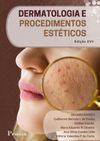
 This abstract discusses the broad scope of dermatology and aesthetic procedures, highlighting their significant multidisciplinary evolution within the health sciences, but it does not report specific study results.
 September 2025 in “Editora Pasteur eBooks”
 Low-dose oral minoxidil is as effective as or better than topical minoxidil for hair growth but may cause mild side effects.
 August 2025 in “Intisari Sains Medis”
 This study found that in healthy individuals, TGF-β1 levels in platelet-rich plasma are significantly higher when extracted using the buffy coat method compared to the pure method, with additional gender differences observed only in the buffy coat PRP.
 May 2025 in “ID on line REVISTA DE PSICOLOGIA”
 This study evaluated the effects of pumpkin seed oil and rosemary essential oil combined with electrotherapy on androgenetic alopecia in stressed young women, finding no statistically significant differences between treatment groups and suggesting further research is needed to assess the oils' efficacy.
 March 2025 in “HAL (Le Centre pour la Communication Scientifique Directe)”
 This thesis investigates the underlying mechanisms and treatment options for androgenetic alopecia, highlighting the molecular roles of androgens and genetic predispositions, and evaluates current and emerging therapies, such as PROTACs and Janus Kinase inhibitors, to enhance patient management.
 February 2025 in “Revista Eletrônica Acervo Saúde”
 This integrative review found that triamcinolone hexacetonide remains the primary treatment for mild to moderate alopecia areata but noted its significant side effects with prolonged use, while emerging therapies like PRP and minoxidil offer promising alternative benefits with fewer risks.
 January 2025 in “International Journal of Veterinary Science”
 In this animal study, hibiscus leaf simplicia ointment was found to protect red blood cell levels and promote better hair growth in UV-exposed rats, though it did not maintain normal skin histology; the ointment showed no significant acute dermal toxicity.
 January 2025 in “Editora Acadêmica Periodicojs eBooks”
 This review found that low-dose oral Minoxidil may be a viable alternative to topical Minoxidil for treating androgenetic alopecia, offering similar efficacy but with better adherence and different side effect profiles; consideration of patient-specific factors is important for treatment choice.
 January 2025 in “il Diabete”
 This study explores potential strategies for targeted drug delivery specifically to pancreatic beta-cells in type 2 diabetes treatment, highlighting methods for inducing drug expression in beta-cells, suitable drug carriers, active targeting peptides, and optimal administration routes.
 January 2025 in “Universidad de Córdoba Insitutional Repository (Universidad de Córdoba)”
 In this study, researchers observed that individuals with alopecia areata exhibited significant changes in scalp microbiota diversity and composition, which were linked to disease severity and inflammation markers, though it remains unclear if these microbial shifts are a cause or a result of hair loss.