 2 citations
,
May 2021 in “Molecules”
2 citations
,
May 2021 in “Molecules” This study reports that the metanephrine content was significantly higher in patients with alopecia areata compared to those without the condition.
 2 citations
,
January 2017 in “Journal of Biotechnology Research Center”
2 citations
,
January 2017 in “Journal of Biotechnology Research Center” This study found that hair dyes significantly affect DNA sequence analysis, with the organic extraction method performing better on hair shafts and the prepFiler kit yielding higher success for follicle-included samples.
 April 2026 in “Inflammopharmacology”
 This study found that Punica granatum ethanolic leaf extract may alleviate skin fibrosis in rats by modulating inflammation-related pathways and reducing dermal alterations.
 November 2025 in “Advances in Education Humanities and Social Science Research”
 This review reports that certain chemical ingredients in cosmetics are linked to various health issues, including cancer and reproductive disorders, and highlights concerns about their safety, advising careful selection and use to mitigate potential risks to human health.
 October 2025 in “INSOLOGI Jurnal Sains dan Teknologi”
 In this laboratory study on rabbits, the researchers observed that both FET and FHE fractions improved hair length and weight, but minoxidil still led to better results, highlighting the comparative effects of different treatments on hair growth over 28 days.
 September 2025 in “Pakistan Journal of Science”
 This study observed that individuals with type 1 diabetes mellitus have notably lower levels of essential and trace elements like Calcium, Potassium, and Zinc in biological samples compared to non-diabetic controls.
 April 2023 in “Asia-pacific Journal of Convergent Research Interchange”
 This study found that treating bleached hair with a hair manicure improved several physical properties, such as tensile strength and elongation, compared to untreated hair, suggesting potential benefits for enhancing hair conditions cosmetically.
 November 2023 in “Scientific reports”
 This study presents the first report on cloning and characterizing the full-length cDNA of SRD5A1 in Indian catfish (Clarias magur), revealing expression differences across reproductive phases and increased expression post-Ovatide administration in ovaries and testis.
 12 citations
,
August 2012 in “ISRN Analytical Chemistry (Print)”
12 citations
,
August 2012 in “ISRN Analytical Chemistry (Print)” This review discusses various chemical and instrumental methods for determining macrolides and reports no new experimental results.
 47 citations
,
August 2014 in “The Journal of Clinical Endocrinology and Metabolism”
47 citations
,
August 2014 in “The Journal of Clinical Endocrinology and Metabolism” This study suggests that variations in PCOS phenotypes observed across different ethnic groups may be due to a genetic gradient resulting from historical human migrations and genetic drift.

This study explored new molecular structures as potential COVID-19 treatments, identifying a compound called Hit15 that inhibited viral infection in lab settings and reduced inflammation markers in human neutrophils, suggesting further development is warranted.
 March 2024 in “Bioimpacts”
 In this study, curcumin-loaded nanoparticles with a size of 400 nm showed optimal accumulation in human hair follicles after seven days, although mouse models differed significantly in penetration and retention, indicating limitations in their suitability for follicular drug delivery studies.
 2 citations
,
December 2020 in “Phytomedicine plus”
2 citations
,
December 2020 in “Phytomedicine plus” In this study, researchers found that taking Saw palmetto and Pygeum africana supplements for five days altered the urinary steroid profile in a way that may interfere with the steroidal module of the Athlete Biological Passport.
 555 citations
,
April 2002 in “The Lancet”
555 citations
,
April 2002 in “The Lancet” This study found that off-pump coronary surgery significantly reduces in-hospital morbidity compared to on-pump surgery without affecting midterm outcomes in the first 1-3 years after the procedure.
November 2022 in “International Journal of Applied Pharmaceutics” This study found that phytosterols extracted from moringa seed oil may act as potential anti-alopecia agents by inhibiting the 5α-reductase enzyme, with ergostadienol showing particularly high affinity and stability in in silico simulations.
 1 citations
,
December 2022 in “Pharmaceuticals”
1 citations
,
December 2022 in “Pharmaceuticals” This study found that a sub-fraction of Noni fruit, FEA-3, showed hair growth-promoting effects in a rabbit model of androgenic alopecia, similar to Minoxidil.
3 citations
,
March 2022 in “Research journal of pharmacy and technology” This study found that the compound (+)–Marmesin from Petroselinum crispum showed potential as an anti-alopecia agent by demonstrating better binding to androgen receptors than minoxidil, though not surpassing native ligands.
January 2026 in “In Silico Research in Biomedicine” This study used computational methods to explore the potential of betulinic acid from Ziziphus spina-christi in treating alopecia, suggesting its possible protective effects on hair follicles by enhancing genomic stability and reducing oxidative damage, meriting further experimental validation.
 5 citations
,
February 2013 in “Journal of Liquid Chromatography & Related Technologies”
5 citations
,
February 2013 in “Journal of Liquid Chromatography & Related Technologies” This study developed and validated a micellar electrokinetic chromatography method to determine finasteride stability, finding that the drug degrades under acidic, basic, and oxidative stress conditions.
11 citations
,
October 2022 in “Clinical Cosmetic and Investigational Dermatology” In this study, SNPs in genes affecting skin pigmentation were linked to each skin type's unique response to environmental stress, suggesting potential for personalized skin care products.
 August 2023 in “Frontiers in Endocrinology”
 This study identified novel mitochondrial DNA variations in PCOS patients from Pakistan, which may serve as genetic predisposition markers, highlighting especially the potential pathogenicity of frameshift mutations in the MT-ND2 gene.
 June 2026 in “Zenodo (CERN European Organization for Nuclear Research)”
 In this study, quercetin and kaempferol, two plant-derived flavonoids, showed stronger binding affinities to JAK3 kinase and moderate binding to 5-alpha reductase type 2, suggesting their potential as natural treatments for androgenetic alopecia, with quercetin demonstrating suitable properties for topical application.
 June 2026 in “Zenodo (CERN European Organization for Nuclear Research)”
 This study used molecular docking to analyze the binding affinities of quercetin and kaempferol, plant-derived flavonoids, showing they have promising interaction profiles with JAK3 kinase and moderate binding with 5-alpha reductase type 2, suggesting potential as topical treatments for androgenetic alopecia.
 37 citations
,
August 2014 in “Journal of experimental botany”
37 citations
,
August 2014 in “Journal of experimental botany” This study identified the AtPRPL1 gene in Arabidopsis thaliana as being involved in cell elongation processes, despite unclear changes in cell wall composition from its altered expression.
6 citations
,
October 2021 in “Biomedical Research and Therapy” This meta-analysis found that alopecia areata patients had significantly higher serum levels of IL-6 and TNF-α compared to healthy subjects, indicating a potential role of these cytokines in the condition's pathogenesis.
3 citations
,
December 2021 in “Frontiers in Pharmacology” This study found that Ficus benghalensis leaf extracts reduced the activity of 5 α-reductase II and promoted hair growth in rabbits by elongating the hair follicle's anagen phase, suggesting potential for treating hair loss.
1 citations
,
October 2023 in “PROTOPLASMA”  August 2024 in “Biomedical Journal of Scientific & Technical Research”
 This review discusses the role of steroid 5 alpha reductase 2 in converting testosterone to DHT and its association with conditions like benign prostatic hyperplasia and prostate cancer; it reports no new results.
October 2021 in “Experimental Dermatology” This study explores the use of in silico methods to identify potential diagnostic biomarkers for primary cicatricial alopecia, revealing significant interactions among genes and proteins related to disease pathogenesis.
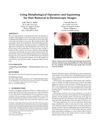
This study presents a new approach to automatically remove hair artifacts from dermoscopic images, which reportedly performed well compared to existing methods like DullRazor using the PH2 datasets.