 2 citations
,
December 2023 in “Journal of clinical immunology”
2 citations
,
December 2023 in “Journal of clinical immunology” This study describes the positive effects of the JAK inhibitor ruxolitinib in treating autoimmune manifestations in three patients with autoimmune polyendocrine syndrome type-1 over a period of at least 30 months, with excellent tolerance and no adverse events observed.
31 citations
,
January 2019 in “Frontiers in Veterinary Science” This study found that low-level laser therapy at 8 J/cm2 improved cosmetic surgical scar healing in canines after thoraco-lumbar hemilaminectomy compared to controls.
 April 2024 in “Frontiers in pharmacology”
 This study compared JAK inhibitors for moderate-to-severe alopecia areata and found brepocitinib 30mg and deuruxolitinib 12mg to be most effective, though deuruxolitinib may cause more adverse events. Further research is needed for long-term efficacy and safety.
3 citations
,
February 2018 in “Experimental and Molecular Medicine/Experimental and molecular medicine” This study suggests that hair loss disorders like Marie Unna hereditary hypotrichosis may result from mutations that disrupt post-transcriptional regulation of HR protein expression by PCPB2 interacting with Hr mRNA.
January 1964 in “OSTI OAI (U.S. Department of Energy Office of Scientific and Technical Information)” This study found that platelet-secreted chemokines like CXCL7 are crucial for early neutrophil recruitment and efficient muscle regeneration in injured mice.
April 2019 in “Journal of Investigative Dermatology” This study found that blocking LFA-1 signaling completely prevented the development of alopecia areata in C3H/HeJ mice, suggesting that LFA-1 plays a crucial role in the disease's pathogenesis and could be a target for new therapies.
 January 2023 in “Indian Dermatology Online Journal”
 This review discusses the role of the JAK/STAT pathway in managing alopecia areata and emphasizes the need for further research to determine the ideal JAK inhibitor, as it reports no new clinical results.
2 citations
,
April 2023 in “Diabetes Metabolic Syndrome and Obesity” 2h-ICPR can help screen for insulin antibodies in type 2 diabetes patients.
 7 citations
,
April 2023 in “Frontiers in immunology”
7 citations
,
April 2023 in “Frontiers in immunology” This source reports that a network meta-analysis found oral baricitinib and ruxolitinib to be effective and safe for treating alopecia areata, significantly improving response rates over placebos and showing fewer adverse effects than steroid treatments, though precise dosing needs further study.
January 2021 in “Deep Blue (University of Michigan)” This study found that LepRb neurons in the brain are important targets for androgen action and influence sex-specific differences in reproductive and metabolic regulation, implicating them in conditions such as polycystic ovary syndrome.
 26 citations
,
March 2003 in “Pediatrics”
26 citations
,
March 2003 in “Pediatrics” This study reports that a short course of steroids resolved symptoms and hyperplasia in infants and young children with recurrent intussusception associated with intestinal lymphoid hyperplasia, suggesting consideration of steroids before surgery.
 May 2015 in “Journal of The American Academy of Dermatology”
 This study suggests that blood microarray biomarkers may help predict individual treatment response in psoriasis patients, highlighting a distinct blood signature related to inflammation, interferon, and myeloid lineage transcripts.
10 citations
,
May 2011 in “American Journal of Hematology” This study found that vinblastine treatment rapidly increased platelet counts in childhood refractory immune thrombocytopenia, providing effective control of bleeding symptoms, although side effects like neuropathic pain were common and resolved with dose adjustments.
 September 2024 in “Drugs & Therapy Perspectives”
 In this study, ritlecitinib, an oral medication approved for adolescents and adults, significantly reduced scalp hair loss and promoted eyebrow and eyelash regrowth in severe alopecia areata patients, with benefits sustained over 48 weeks and generally well-tolerated minor side effects.
August 2025 in “International Journal of Scientific Research” This study found that both intralesional PRP and corticosteroids are effective for alopecia areata, but PRP offers higher patient satisfaction and fewer side effects, despite a slower initial response.
40 citations
,
December 2023 in “Acta Pharmacologica Sinica” January 2026 in “Medicina” This review found that oral JAK inhibitors, used off-label in various inflammatory skin disorders, often resulted in rapid and sustained clinical improvements with acceptable safety over several months, although the evidence is drawn from case-based reports.
 May 2017 in “Journal of The American Academy of Dermatology”
 PLAU and SerpinB2 affect cell death differently in various forms of leprosy and could be targets for new treatments.
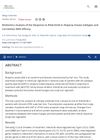
In this study, ritlecitinib treatment for 12 and 24 weeks downregulated immunity-related genes and upregulated hair keratin genes in patients with alopecia areata, correlating with scalp hair regrowth response.
 278 citations
,
March 2013 in “Gut”
278 citations
,
March 2013 in “Gut” In this study, nearly 5% of anti-TNF-treated patients with IBD developed psoriasiform skin lesions, with smoking identified as a main risk factor, and ustekinumab proved highly effective in severe cases.
 October 2021 in “Journal of Investigative Dermatology”
 This study found no significant difference in the seroconversion rate of SARS-CoV2 IgG between patients with Immune Mediated Inflammatory diseases undergoing Targeted Immune-Modulating Therapies and those on conventional systemic treatment.
 10 citations
,
July 2021 in “Archiv für Pathologische Anatomie und Physiologie und für Klinische Medicin”
10 citations
,
July 2021 in “Archiv für Pathologische Anatomie und Physiologie und für Klinische Medicin” This study found that the expression of LRIG1 in Merkel cell carcinoma tumors was associated with improved overall and cancer-specific survival.
8 citations
,
August 2014 in “Journal of Clinical Oncology” This article explores the historical development and evolution of stereotactic radiosurgery (SRS) and stereotactic body radiation therapy (SBRT), emphasizing advancements in safety and technology, and reports no new clinical results.
2 citations
,
March 2025 in “International Journal of Dermatology” In this case report, the authors described a 46-year-old woman with severe atopic dermatitis and alopecia areata, who experienced significant improvements in both conditions after treatment with the interleukin-13 blocker tralokinumab, suggesting a potential therapeutic role for targeting type 2 cytokine IL-13 in such cases.
 163 citations
,
April 1953 in “Acta radiologica”
163 citations
,
April 1953 in “Acta radiologica” Radiation therapy with a higher dose for the brain improves survival in cerebellar medulloblastoma.
 November 2024 in “SKIN The Journal of Cutaneous Medicine”
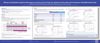
 This study found that ritlecitinib, taken daily, led to scalp, eyebrow, and eyelash hair regrowth in patients aged 12 and older with severe and very severe alopecia areata over a 24-month period.
 124 citations
,
October 2019 in “Frontiers in Immunology”
124 citations
,
October 2019 in “Frontiers in Immunology” This review discusses the role of the JAK-STAT pathway in autoimmune skin diseases and suggests potential therapeutic benefits of JAK inhibitors, but reports no new experimental results.
July 2025 in “Journal of Clinical Medicine” In this review, platelet concentrates were found to show comparable efficacy to steroids and immunosuppressive drugs in treating oral lichen planus, with some studies reporting more benefits and others noting more severe adverse reactions with platelet treatments.
March 2026 in “The Journal of Dermatology” This study found that ritlecitinib 50 mg is cost-effective compared to no treatment for patients in Japan with alopecia areata and significant scalp hair loss, demonstrating an incremental cost-effectiveness ratio below the country's cost-effectiveness threshold.
May 2017 in “The journal of investigative dermatology/Journal of investigative dermatology” In this study, researchers found potential evidence of inducible skin-associated lymphoid tissue (iSALT) in alopecia areata patients undergoing topical immunotherapy, which may suggest an essential role in treatment efficacy.