April 2023 in “Journal of Investigative Dermatology” In this study, a mouse model of scarring alopecia demonstrated significantly reduced CD200R expression in affected skin, which may contribute to immune attacks on hair follicles.
2 citations
,
February 2024 in “Medicine” In this study, researchers found that the rs3118470 mutation in the IL2RA gene significantly increases the risk of developing alopecia areata, and they emphasize the need for future research with larger, more diverse populations to validate these results.
 March 2023 in “Clinical, cosmetic and investigational dermatology”
 This study suggests that IL-33 promotes hair follicle changes and T cell infiltration in psoriatic mice and humans, contributing to psoriatic alopecia.
This study found that WISP-1 plays a key role in ligamentum flavum fibrosis through the Hedgehog-Gli1 pathway, with cyclopamine showing potential to reduce fibrosis effects in a rabbit model.

This study observed that mice treated with mrIL-36α showed differences in wound-induced hair neogenesis compared to those treated with PBS, indicating a potential role of mrIL-36α in hair growth after skin injury.
 7 citations
,
September 2020 in “Frontiers in Cell and Developmental Biology”
7 citations
,
September 2020 in “Frontiers in Cell and Developmental Biology” This study found that recombinant murine IL-36α increased the number of regenerated hair follicles and accelerated wound healing in a mouse model of wound-induced hair follicle neogenesis.
 144 citations
,
November 2020 in “Frontiers in immunology”
144 citations
,
November 2020 in “Frontiers in immunology” This study summarizes how the IL-23/IL-17 axis contributes to inflammatory skin diseases like psoriasis and highlights that biologics targeting this pathway, including monoclonal antibodies against IL-23 and IL-17, have shown efficacy in clinical trials for these conditions.
 3 citations
,
May 2023 in “Frontiers in immunology”
3 citations
,
May 2023 in “Frontiers in immunology” This study reviewed the role of inflammasomes in autoimmune skin diseases, highlighting their contribution to the pathogenesis of conditions such as vitiligo, alopecia areata, and psoriasis, and suggesting that targeting inflammasome dysregulation may offer new therapeutic options.
36 citations
,
March 2014 in “Annals of the Rheumatic Diseases” This study found that activating liver X receptors with an agonist reduced skin fibrosis in experimental models, particularly in inflammation-driven conditions, by inhibiting macrophage infiltration and interleukin-6 release.
April 2019 in “Journal of Investigative Dermatology” This study found that blocking LFA-1 signaling completely prevented the development of alopecia areata in C3H/HeJ mice, suggesting that LFA-1 plays a crucial role in the disease's pathogenesis and could be a target for new therapies.
28 citations
,
January 2015 in “Journal of Cell Science” In this study, PINCH-1 gene loss in mouse epidermis led to detachment from the basement membrane, thickened skin, and hair loss, with findings suggesting PINCH-1 plays a role in keratinocyte adhesion through both ILK and EPLIN pathways.
1 citations
,
February 2025 in “Journal of Dairy Science” In this study, researchers found that the SLICK1 allele in cattle may alter local immune regulation, hair growth, and tissue remodeling, as indicated by differential gene expression pathways associated with immune and inflammatory responses in slick vs. nonslick Holsteins.
November 2025 in “The Journal of Immunology” In a murine model of alopecia areata, this study observed that the IL-2 fusion protein HCW9302 helped prevent disease development by expanding regulatory T cells and reducing disease-causing effector T cell infiltrates, suggesting potential for using IL-2 fusion proteins in alopecia areata treatment.
August 2026 in “eScholarship (California Digital Library)” This study explored IL-17D's role in skin biology and found no significant difference in disease progression between IL-17D KO and WT mice in skin inflammation models, but IL-17D did promote cell migration and modestly accelerated wound healing, suggesting it may influence tissue repair processes.
 April 2018 in “Journal of Investigative Dermatology”
 This study found that IL-9 influences the behavior of human primary keratinocytes by promoting motility while reducing invasion potential through a novel mechanism independent of matrix-metalloproteinases.
1 citations
,
January 2025 in “Archives of Dermatological Research” This study found that patients with alopecia areata had significantly higher serum IL-1R1 levels, IL-1R1 gene expression, and hsa-miR-19b-3p levels compared to healthy controls, suggesting these could serve as diagnostic and prognostic markers for the disease's severity.
55 citations
,
November 2010 in “Journal of Allergy and Clinical Immunology” This study found that the TLR3 L412F genetic variant is associated with severe viral infections, especially CMV, and immune dysfunction in a subgroup of chronic mucocutaneous candidiasis patients.
January 2025 in “Journal of Investigative Dermatology” 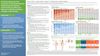 March 2026 in “SKIN The Journal of Cutaneous Medicine”
 This study demonstrated that litifilimab significantly reduced disease activity in cutaneous lupus erythematosus by Week 16, with improvements most notable in sunlight-exposed skin areas.
23 citations
,
January 2016 in “Frontiers in immunology” This review discusses the potential of combining low-dose IL-2 with islet antigens to enhance antigen-specific Treg function in type 1 diabetes, but reports no new clinical results.
 15 citations
,
December 2014 in “PLoS ONE”
15 citations
,
December 2014 in “PLoS ONE” This study identifies iRhom2 as a crucial regulator of hair follicle differentiation, showing that the iRhom2Uncv mutation leads to dysplasia and reduced TACE maturation, resulting in a hairless phenotype in mice.

This research observed that removing RNase L in mice enhances regenerative capacity through increased IL-36 and wound-induced hair neogenesis, highlighting RNase L as a gene that represses regeneration by moderating immune responses during viral infections.
 22 citations
,
December 2013 in “Molecular biology of the cell”
22 citations
,
December 2013 in “Molecular biology of the cell” This study found that ILK deficiency disrupts hair follicle development by impairing cell polarity and laminin-511 assembly, but these defects can be partially reversed with exogenous laminin-511.
 April 2023 in “Journal of Investigative Dermatology”
 In ex vivo organ culture of human scalp hair follicles, this study found that IL-9 signaling inhibits hair growth, reduces progenitor cell generation, and disrupts immune privilege.
5 citations
,
May 2022 in “Diagnostics” This study found that certain lncRNA gene polymorphisms in HOTAIR and MALAT1 are associated with increased susceptibility to systemic lupus erythematosus, potentially informing clinical applications.
1 citations
,
September 2020 in “Journal of dermatology” This study identified a novel mutation and confirmed a previous mutation in the LIPH gene in a woman with autosomal recessive woolly hair, expanding the mutation spectrum for this condition.
 16 citations
,
January 2016 in “Journal of Investigative Dermatology”
16 citations
,
January 2016 in “Journal of Investigative Dermatology” This study found that IL-6 knockout mice exhibited increased wound-induced hair neogenesis compared to wild-type mice, likely due to enhanced STAT3 activation facilitated by compensatory cytokine activity.
59 citations
,
September 2021 in “Journal of Allergy and Clinical Immunology” This study found IL-17/IL-36 signaling to be predominant in both endotypes of Netherton syndrome, with distinct molecular profiles between NS-ILC and NS-SE lesions, offering potential therapeutic targets.
 April 2016 in “Journal of Investigative Dermatology”
 This study reported that the absence of Lsh in skin led to significant epidermal hyperplasia and altered gene expression, suggesting its crucial role in regulating epidermal proliferation, differentiation, and wound healing.
 2 citations
,
January 2024 in “Advances in Dermatology and Allergology”
2 citations
,
January 2024 in “Advances in Dermatology and Allergology” This study suggests a potential role for S100A7 and IL-17 in the pathogenesis of lichen planopilaris.