2 citations
,
August 2004 in “Veterinary Dermatology” This case study in an 8-month-old mixed-breed dog with symptoms and histopathological findings supports a diagnosis of hereditary junctional epidermolysis bullosa, although specific genetic mutations weren't identified.
 February 2016 in “The journal of allergy and clinical immunology/Journal of allergy and clinical immunology/The journal of allergy and clinical immunology”
 This study reports a novel mutation in the TP63 gene associated with T and B cell lymphopenia in an EEC patient, suggesting that EEC diagnosis should include TREC assay and evaluation for immunodeficiency.
 August 1995 in “Journal of The European Academy of Dermatology and Venereology”
 New therapy helps treat hair loss.
July 2024 in “Journal of Investigative Dermatology” PH-762 shows promise in treating skin cancer by effectively targeting and silencing PD-1 in tumors with minimal side effects.
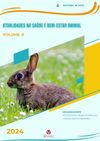 January 2024 in “Editora In Vivo eBooks”
 In this case report, a female mixed-breed dog was observed with dermatophytosis, presenting with alopecia in the neck and ear, highlighting the zoonotic nature of the infection caused by fungi that can affect both animals and humans.
 September 2021 in “bioRxiv (Cold Spring Harbor Laboratory)”
 This study found that enteroendocrine cells play a key role in coordinating stem cell migration towards wounds in the Drosophila intestinal epithelium, aiding tissue repair through non-canonical Wnt signaling.
5 citations
,
October 2023 in “International Wound Journal” In this study, a novel portable LED device significantly accelerated wound healing in rats, with faster wound closure, increased collagen deposition, and more microvessels at a higher radiation intensity, suggesting its potential for innovative wound management.
 February 2023 in “Biophysical Journal”
 Light can be used to stimulate ear hair cells, improving speed and consistency over previous methods.

I cannot provide a conclusion without the content of the document.
 May 2024 in “ABDIKAN Jurnal Pengabdian Masyarakat Bidang Sains dan Teknologi”
 This study identified a high prevalence of Enterobiasis among children in Indonesia, linked to poor sanitation and healthcare access, and found that a holistic family medicine approach improved patient understanding and treatment compliance, thereby enhancing their quality of life.
 3 citations
,
November 2018 in “PubMed”
3 citations
,
November 2018 in “PubMed” This study identifies a specific subtype of Telogen Effluvium associated with scalp dysesthesia, such as itch or burning, in the absence of any inflammatory scalp disorder or medication association.

In this study of Swedish sheep herds, nutritional deficiencies and telogen effluvium, possibly due to cold stress after shearing, were suggested as primary causes of wool loss.
 9 citations
,
April 1976 in “Archives of Dermatology”
9 citations
,
April 1976 in “Archives of Dermatology” This report observed that two teenagers developed skin issues, including abscess-like pustules, after taking kelp supplements, which cleared when the supplements were discontinued.
24 citations
,
February 2011 in “The American journal of pathology” This study found that AIRE, a usually nuclear protein, is expressed in the cytoplasm of human epidermal and follicular keratinocytes and associates with the intermediate filament protein cytokeratin 17, potentially impacting ectodermal abnormalities in APECED syndrome.
90 citations
,
February 2001 in “The journal of investigative dermatology/Journal of investigative dermatology” This study found that interleukin-1 directly induces the expression of keratin 6 in keratinocytes, which is a marker of activation and involved in inflammatory skin responses.
116 citations
,
December 2003 in “Acta Dermato Venereologica” This study reports that Iressa, an anti-cancer agent, commonly causes acneiform eruptions and xerosis as cutaneous side effects, similar to other agents targeting epidermal growth factor receptors.
 40 citations
,
December 2012 in “PLoS ONE”
40 citations
,
December 2012 in “PLoS ONE” This study found that selective deletion of Ctip2 in epidermal keratinocytes in adult mice leads to atopic dermatitis-like inflammation and suggests Ctip2 plays a crucial role in skin barrier maintenance and inflammatory regulation.
 27 citations
,
September 1992 in “The Lancet”
27 citations
,
September 1992 in “The Lancet” ICL is a condition with low CD4+ T cells like AIDS but not caused by HIV, and normal CD4+ T cell counts may vary between men and women.
1 citations
,
June 2025 in “Frontiers in Genetics” In this study, researchers identified genes IRF2BP2 and EGFR as key to understanding double-coated fleece formation in Hetian sheep, offering insights that may advance machine learning-driven multi-omics selection models in sheep breeding.
 1 citations
,
December 2020 in “Medicinskij alfavit”
1 citations
,
December 2020 in “Medicinskij alfavit” This review discusses current understandings and treatments of telogen effluvium, including hardware lighting technologies for hair loss, but presents no new clinical results.
14 citations
,
July 2019 in “Journal of Investigative Dermatology” In this study, targeted inactivation of the integrin-linked kinase gene in melanoblasts led to defects in cell migration, proliferation, and ability to populate the skin, implicating an integrin-linked kinase-Rac1 connection in melanocyte function.
 February 2026 in “MedBA Medicine”
 This study identified potential new adverse drug reaction signals for erlotinib, used in lung and pancreatic cancer treatment, by analyzing a large dataset of case reports, indicating further clinical studies are necessary to confirm these findings.
 August 2023 in “Asian journal of pharmaceutical and clinical research”
 This descriptive longitudinal study conducted in a Kolkata hospital found that intense pulsed light treatment significantly improved hirsutism in patients, as evaluated by trichoscopy and visual analog scores, demonstrating its effectiveness and safety for hair removal, independent of medical treatment.
8 citations
,
April 2022 in “Nutrients” In this study, Ishige sinicola extract was observed to improve bone density and structure in an animal model of estrogen deficiency-induced osteoporosis, suggesting its potential as a therapeutic option for postmenopausal osteoporosis by inhibiting osteoclast formation without cytotoxic effects.
 45 citations
,
June 2004 in “Lasers in Medical Science”
45 citations
,
June 2004 in “Lasers in Medical Science” This study found that non-coherent intense pulsed light (IPL) treatment significantly reduced hair growth by about 80% in patients with skin type III-V without causing side effects.
 May 2016 in “American Academy of Pediatrics eBooks”
 Telogen effluvium is a condition that causes temporary hair loss.

In this study, researchers found two non-synonymous SNPs in the TERT gene associated with mean wool staple strength in sheep, suggesting TERT as a potential candidate gene for improving wool traits.
19 citations
,
October 2017 in “Dermatologic Surgery” In this study, 755-nm alexandrite laser treatment significantly reduced acne keloidalis nuchae lesions in male patients, improving quality of life and showing low recurrence rates, with temporary hair loss as a reversible complication.
17 citations
,
September 1953 in “Journal of Cell Science” This study found that the tetrazolium salt INT is the most effective for revealing dehydrogenase activity and certain histological structures in sheep and other mammals' skin.