44 citations
,
September 1948 in “Radiology” This article reports that hypervitaminosis A in both experimental rats and children leads to severe symptoms such as weight loss, bone issues, and skin problems, which resolve upon stopping vitamin A intake.
 February 2019 in “Neoreviews”
 This case report details the diagnosis and management of argininosuccinate lyase deficiency in an infant, emphasizing initial symptoms, treatment strategies, and subsequent liver transplant leading to recovery.
55 citations
,
August 2009 in “Journal of Feline Medicine and Surgery” In this case report, a 14-year-old cat was diagnosed with both hyperaldosteronism and hyperprogesteronism linked to a large adrenal tumor, highlighting the importance for clinicians to consider these concurrent conditions in similar cases.
7 citations
,
March 2018 in “Psychiatry and Clinical Psychopharmacology” This article presents five cases of valproate-induced hyperammonemic encephalopathy in psychiatric patients treated at the authors' clinic and discusses existing literature on this side effect.
23 citations
,
June 2016 in “Journal of Veterinary Internal Medicine” This case series reports three cats diagnosed with hypersomatotropism due to GH-secreting pituitary adenomas without concurrent diabetes mellitus, highlighting the potential for underdiagnosis in non-diabetic cats.
 January 2023 in “Case Reports in Obstetrics and Gynecology”
 This case report highlights the need for early diagnosis and treatment of ovarian hyperthecosis to enhance the quality of life and health outcomes for affected patients.
 3 citations
,
March 2012 in “Actas Dermo-Sifiliográficas”
3 citations
,
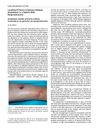
March 2012 in “Actas Dermo-Sifiliográficas” An elderly man with skin amyloidosis and abnormal blood proteins was monitored without finding widespread disease after 18 months.
 26 citations
,
December 2020 in “Nature metabolism”
26 citations
,
December 2020 in “Nature metabolism” Martin-Perez et al. show that rapamycin's beneficial effects in a mouse model of Leigh syndrome are linked to the downregulation of protein kinase C.
8 citations
,
June 1981 in “Clinica Chimica Acta”  19 citations
,
September 2010 in “The American journal of pathology”
19 citations
,
September 2010 in “The American journal of pathology” This study demonstrated that elevated glucocorticoid levels in transgenic mice led to pancreatic exocrine cells transforming into hepatocyte-like cells, resulting in pancreatic dysfunction.
 6 citations
,
June 2011 in “British Journal of Dermatology”
6 citations
,
June 2011 in “British Journal of Dermatology” This study found that individuals with alopecia areata had significantly higher serum levels of retinol-binding protein 4 and increased IgG immunoreactivity against it, suggesting a role in the disease's pathogenesis.
19 citations
,
October 2021 in “Medicine” In this study, anemia was commonly observed in exercising women, especially those with heavy menstrual bleeding, and the authors recommend using a simple screening tool involving haemoglobin testing.
48 citations
,
April 2008 in “Human Molecular Genetics” This study found that although progerin expression in mouse skin causes significant nuclear shape changes in keratinocytes, it does not result in alopecia or common skin abnormalities seen in human Hutchinson–Gilford progeria syndrome.
 1 citations
,
December 2023 in “Curēus”
1 citations
,
December 2023 in “Curēus” This study observed that five out of fourteen individuals aged 13-16 years, who were homozygous for the p.C282Y mutation related to hemochromatosis, had increased liver and phlebotomy-mobilized iron levels.
10 citations
,
October 2012 in “Andrology” In this case study, researchers observed that steroidogenesis from adrenal androgens in prostate cancer tissues may explain progression in a 74-year-old man with low circulating testosterone.

This article discusses various potential causes of hair loss in women undergoing renal replacement therapy and emphasizes the importance of thorough patient evaluation, but it reports no new research findings.
 150 citations
,
August 1992 in “Genes & Development”
150 citations
,
August 1992 in “Genes & Development” This study reported that transgenic mice with targeted TNF alpha expression in keratinocytes showed impaired weight gain, retarded hair growth, and skin changes, leading to cachexia and necrosis.
August 2025 in “Frontiers in Nutrition” This study found that serum amino acid profiles changed significantly following laparoscopic sleeve gastrectomy in patients with obesity, and identified serum leucine levels as an independent risk factor for postoperative alopecia.
 23 citations
,
January 2016 in “Journal of Nanjing Medical University”
23 citations
,
January 2016 in “Journal of Nanjing Medical University” This study found that higher BMI in PCOS patients at a Chinese clinic was associated with functional disorders of androgen excess, suggesting BMI may predict hyperandrogenism in this population.
 76 citations
,
May 2011 in “Liver transplantation”
76 citations
,
May 2011 in “Liver transplantation” The authors concluded that liver transplantation in children with propionic acidemia can reduce the risk of metabolic decompensation and enhance quality of life, although some metabolic issues may persist.
 8 citations
,
June 2016 in “Clinical Chemistry”
8 citations
,
June 2016 in “Clinical Chemistry” This review discusses the expression of PSA in hormonally-regulated tissues and female malignancies, emphasizing its potential as a diagnostic biomarker and role in antidoping initiatives.
November 2007 in “Cancer Epidemiology and Prevention Biomarkers” In this study, PSA levels were significantly lower among African-American men with higher C-peptide levels and Caucasian men with higher HbA1c levels, suggesting a link between metabolic markers and prostate cancer detection.
 20 citations
,
June 2012 in “British Journal of Dermatology”
20 citations
,
June 2012 in “British Journal of Dermatology” This study discusses the proteomic profile associated with hair damage but does not report new experimental findings.
 1 citations
,
June 2022 in “JCRPE”
1 citations
,
June 2022 in “JCRPE” This study reports that metreleptin treatment in a boy with congenital generalized lipodystrophy significantly improved metabolic complications and overall health outcomes during the first year of therapy.
79 citations
,
October 2003 in “PubMed” In this study, PKCepsilon transgenic mice showed increased TNFalpha shedding during skin tumor promotion, which may contribute to the development of metastatic squamous cell carcinoma.
 21 citations
,
February 2021 in “BMJ case reports”
21 citations
,
February 2021 in “BMJ case reports” This case study potentially links the use of anabolic steroids to increased severity of COVID-19 in a healthy 28-year-old man, with marked symptom improvement following treatment with proxalutamide.
 4 citations
,
August 2019
4 citations
,
August 2019 This study found that elevated free testosterone levels may reduce body fat and increase bone density in males, but also raise the risk of prostate cancer, hair loss, and benign prostate hyperplasia.
24 citations
,
February 1986 in “Cancer” In this case study, a man with necrolytic migratory erythema and a glucagonoma experienced decreased plasma glucagon levels and reduced metastases after treatment with dimethyltriazenoimidazole carboxamide.
In this case report, researchers observed that a malnourished male patient developed pseudoglucagonoma syndrome, characterized by necrolytic migratory erythema and diffuse hair loss, following Frey's surgery, which rapidly improved with enhanced nutrition.
2 citations
,
May 2021 in “Neuropathology & applied neurobiology/Neuropathology and applied neurobiology” This correspondence reports the case of a young woman with severe lipid storage myopathy due to a rare mutation, who showed significant temporary improvement with plasmapheresis and immunoglobulin treatment before stabilizing with riboflavin and coenzyme Q10 supplementation, challenging the initial assumption of an immune-mediated condition.