 1 citations
,
October 2022 in “JCI insight”
1 citations
,
October 2022 in “JCI insight” In this study, conditional deletion of BRD4 in OX40-expressing cells of mice led to alopecia, dermatitis, and loss of hair follicle stem cell function, revealing BRD4's role in skin inflammation and stem cell regulation.
1 citations
,
January 2022 in “Anais brasileiros de dermatologia/Anais Brasileiros de Dermatologia” In this study, authors reported that reflectance confocal microscopy may aid in diagnosing trichofolliculoma by identifying specific features correlated with histopathology that can be difficult to discern with other methods.
1 citations
,
September 2017 in “Zhonghua neifenmi daixie zazhi” This article discusses the importance of routine karyotyping in patients with congenital adrenal hyperplasia, as it may reveal the presence of Turner syndrome and recommends early diagnosis and treatment; it reports no new clinical results.
1 citations
,
April 2012 in “Cancer Research” This study found that overexpression of antizyme in MEK-activated transgenic mice reduced skin tumor development and restored normal differentiation of keratinocyte progenitor cells, highlighting the role of polyamines in keratinocyte biology.
 1 citations
,
January 2008 in “touchREVIEWS in Endocrinology”
1 citations
,
January 2008 in “touchREVIEWS in Endocrinology” Generalized glucocorticoid resistance causes hormone imbalances and varied symptoms due to gene mutations.
August 2026 in “Clinical Cosmetic and Investigational Dermatology” This study found that Hydroxypinacolone Retinoate (HPR) may alleviate UV-induced skin photoaging by enhancing collagen synthesis, reducing degradation, and modulating inflammatory and oxidative responses in a dose-dependent manner.
 May 2026 in “Zenodo (CERN European Organization for Nuclear Research)”
 This review provides an educational resource on Polycystic Ovary Syndrome, detailing its pathophysiology and complications, and reports no new clinical results.
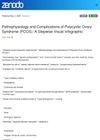 May 2026 in “Zenodo (CERN European Organization for Nuclear Research)”
 This infographic reviews the pathophysiology and complications of PCOS, illustrating how genetic and environmental factors contribute to its development, and highlights associated metabolic and neuroendocrine effects.
April 2026 in “Canadian Medical Association Journal” This study reported that androgenetic alopecia in women becomes more prevalent with age, with risk factors including heredity and endocrine disorders, and differs clinically from male-pattern hair loss by causing diffuse hair thinning rather than loss at the temples or crown.
 April 2026 in “Cellular and Molecular Immunology”
 In a conditional knockout mouse model, this study found that loss of the transcription elongation factor SPT6 in basal keratinocytes led to psoriasis-like skin inflammation and delayed wound healing, suggesting SPT6 plays a crucial role in maintaining epidermal immune quiescence by suppressing proinflammatory NF-κB signaling.
March 2026 in “The Journal of Dermatology” This case study describes a 70-year-old woman with a congenital skin condition, nevus sebaceus, who underwent hair transplantation which maintained hair growth for about 40 years; however, secondary tumors developed over time, highlighting the persistence of tumorigenic potential within nevus sebaceus.
January 2026 in “Brazilian Journal of Development” This case study reported on a 62-year-old woman with ovarian hyperthecosis, which caused symptoms like hirsutism and elevated testosterone; after bilateral oophorectomy, her symptoms improved, suggesting the importance of considering this rare condition in hyperandrogenism diagnosis for postmenopausal women.
January 2026 in “Molecular Nutrition & Food Research” This study found that Gynostemma pentaphyllum hydrodistillate and Damulin B exert significant anti-photoaging effects in UVB-irradiated models by reducing oxidative stress, improving ECM integrity, and enhancing skin hydration and elasticity.
 July 2025 in “Russian Journal of Transplantology and Artificial Organs”
 This research highlights advancements in reconstructive surgery for managing scars, emphasizing the importance of combined surgical and nonsurgical interventions like platelet-rich plasma and stem cell therapy to prevent and treat thick scar tissue while enhancing functionality and aesthetic outcomes.
March 2025 in “Journal of Cosmetic Dermatology” In this case study, a 29-year-old woman with Pseudopelade of Brocq, a type of scarring alopecia, showed significant hair density improvement following a combination of scalp reduction surgery and concentrated growth factor injections postoperatively, which addressed scar complications and inflammation.
January 2025 in “Indian Journal of Dermatopathology and Diagnostic Dermatology” In this histopathology study of nevus sebaceus, researchers observed distinct epidermal, sebaceous, follicular, and apocrine changes, including sebaceous hyperplasia and basaloid adnexal proliferation, which help differentiate it from similar conditions like basal cell carcinoma and trichoblastoma.
October 2024 in “InnovAiT Education and inspiration for general practice” In this article, the authors review the causes, diagnosis, and treatment approaches for hirsutism in women, emphasizing diagnosis, hormonal therapies, lifestyle modifications, and cosmetic options for managing this condition in primary care settings.
June 2024 in “Annals of the College of Medicine Mosul/Annals of the College of Medecine” This study explored the use of microneedling for dermatological disorders, highlighting its benefits like increased collagen and elastin production, dermal thickening, and skin rejuvenation, making it suitable for conditions such as scars, stretch marks, and photoaged skin.
 January 2024 in “Authorea (Authorea)”
 This study found that Sudanese epilepsy patients prioritize medication intake despite cosmetic effects from antiepileptic drugs, which may be influenced by cultural perceptions unique to the population.
 October 2023 in “International Journal For Multidisciplinary Research”
 This review discusses the increased health risks associated with polycystic ovary syndrome and highlights the effectiveness of exercise, a healthy diet, and weight management in reversing obesity-related reproductive issues.

This study found that a complex extract of Polygonatum sibiricum and Nelumbinis semen improved menopause symptoms in an ovariectomized rat model by enhancing blood lipid metabolism and reducing osteoporosis, without increasing risks of side effects like endometriosis, unlike conventional hormone-replacement therapy.
 May 2023 in “Arteriosclerosis, thrombosis, and vascular biology”
 In this study, finasteride significantly reduced plasma cholesterol and triglycerides and decreased atherosclerotic lesion burden in mice, suggesting its potential role in delaying cardiovascular disease.
 April 2023 in “Journal of Investigative Dermatology”
 This study found that NIMP-R14-conjugated nanoparticles, loaded with roflumilast, effectively targeted neutrophils to reduce inflammation and improve symptoms in a mouse model of psoriasiform dermatitis, suggesting potential for targeted therapy in autoimmune skin diseases.
 April 2023 in “Journal of Investigative Dermatology”
 This study found that MPZL3 plays a crucial role in controlling sebaceous gland size and sebocyte proliferation in mice and humans, implicating its potential involvement in skin disorders like acne and psoriasis.
This report describes a case of Goltz syndrome in a 12-year-old Saudi girl, highlighting the variability in symptoms and the importance of documenting such rare syndromes.
 February 2023 in “Vlaams dierengeneeskundig tijdschrift”
 In this paper, regression of proliferative necrotizing otitis externa lesions in young cats was reported following systemic and topical immunomodulatory therapy.
 January 2023 in “Archives of Disease in Childhood Education & Practice”
 This article describes the causes of hirsutism, introduces a novel assessment tool, and suggests strategies for investigation and management, but provides no new experimental results.

Among females with nonclassical 21-hydroxylase deficiency, this study found that low-dose glucocorticoid treatment improved fertility outcomes by increasing pregnancy and live birth rates while reducing miscarriage rates.
April 2022 in “Gugje bogeon mi-yong haghoeji” In this study conducted using an in vitro model with rabbits, researchers found that citral from lemongrass oil, especially at a 1% concentration, improved comedone erythema and tissue hyperplasia, suggesting its potential as a treatment for comedone acne.
 February 2021 in “Endocrinology, diabetes & metabolism case reports”
 This case report describes a postmenopausal woman with hirsutism and hair loss attributed to ovarian stromal hyperplasia; surgical removal of the ovaries normalized testosterone levels and resolved symptoms.