 February 2026 in “International Journal of Research in Dermatology”
 In this report, two adult cases of tinea capitis with unusual symptoms like pustules and non-scarring alopecia were diagnosed based on clinical and pathological findings, and successfully treated with oral Griseofulvin and topical luliconazole cream.
 January 2024 in “Journal of cutaneous and aesthetic surgery”
 In this clinical case report, a 10-year-old girl developed acute hair matting three weeks after scalp trauma and frequent povidone-iodine use, suggesting that scalp injuries and antiseptic overuse can be risk factors for this condition, especially when hair care is poor.
26 citations
,
January 1990 in “Mycoses” This study reviewed tinea capitis cases in children at a dermatology clinic from 1977-1988, finding Trichophyton violaceum as the most common pathogen, with Moroccan immigrant children being the largest affected group.
 5 citations
,
May 2021 in “Veterinary medicine and science”
5 citations
,
May 2021 in “Veterinary medicine and science” In this study, cosyntropin-induced cortisol spikes did not affect hair cortisol concentration in captive grizzly bears, contrasting with stress responses observed in free-ranging bears during capture.
10 citations
,
December 1992 in “PubMed” This report of three cases found that diagnosing hypercortisolism during pregnancy can be challenging, but early detection using unbound steroid levels and MRI could prevent severe complications.
This study found that a hair growth rate of 0.75 cm/month better matches retrospective cortisol timelines and identified factors influencing hair cortisol content in children and adolescents.
 April 2016 in “JAMA Dermatology”
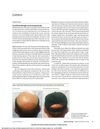
 This commentary highlights the importance of additional sun protection for individuals with alopecia, noting that common headwear like baseball caps may provide insufficient photoprotection for the scalp.
3 citations
,
October 1976 in “BMJ” In this case report, a 6-year-old boy developed thrombocytopenia while taking sodium valproate alone, after being seizure-free for eight months on the medication.
In this study, researchers observed that IRES/Cap translation initiation increased during caloric stress across cell differentiation states and also unexpectedly rose during normal differentiation processes in mice, with lower IRES/Cap being linked to higher stem cell potential, mediated by PTBP1, a RNA processing protein.
March 2021 in “Juniper Online Journal Material Science” In this study, L-cysteine treated with the Trivedi Effect® showed significantly increased isotopic abundance ratios, which may enhance its stability and shelf-life.
6 citations
,
July 2023 in “Cureus” This study observed a high prevalence of post-COVID-19 symptoms, including exertional dyspnea, cough, fatigue, and myalgia, among patients attending a post-COVID clinic in Southern India, with no significant symptom differences based on hospitalization during acute COVID-19.
9 citations
,
April 2016 in “Clinical Endocrinology” This study suggests that measuring scalp hair 17-hydroxyprogesterone and androstenedione concentrations can be a promising tool for monitoring treatment in children with congenital adrenal hyperplasia.
December 2025 in “Journal of Veterinary Clinics” This case report describes the use of CO2 laser surgery to treat chronic pododermatitis and pseudopads in an 8-year-old obese dog, resulting in complete healing within four weeks after previous treatments provided only temporary relief.
 3 citations
,
May 1990 in “Journal of Steroid Biochemistry”
3 citations
,
May 1990 in “Journal of Steroid Biochemistry” This study found that diagnosing non-classical 3 beta-hydroxysteroid dehydrogenase deficiency solely based on elevated serum or urinary 5-ene-steroids may not be reliable.
 32 citations
,
June 2019 in “Frontiers in Endocrinology”
32 citations
,
June 2019 in “Frontiers in Endocrinology” This review discusses the overlapping clinical features and diagnostic challenges of non-classic adrenal hyperplasia and polycystic ovary syndrome without presenting original research findings.
 March 2026 in “Scientific Reports”
 This study found that scalp cooling significantly improved hair preservation and reduced psychological distress in gynecologic cancer patients undergoing chemotherapy compared to usual care.
 January 2019 in “Open access journal of mycology & mycological sciences”
 This article discusses tinea capitis, highlighting its causes, symptoms, diagnostic methods, and the importance of selecting treatment based on the causal agent for effective outcomes; it reports no new clinical results.
 202 citations
,
August 2017 in “Nature cell biology”
202 citations
,
August 2017 in “Nature cell biology” This study found that glycolytic metabolism and lactate production are crucial for hair follicle stem cell activation, and manipulating these processes can stimulate the hair cycle.
October 2018 in “The American Journal of Gastroenterology” This case report highlights a rare instance of late dumping syndrome following fundoplication in an adult, diagnosed using an oral glucose tolerance test, illustrating its potential for reducing diagnostic delays.
 June 2023 in “British journal of dermatology/British journal of dermatology, Supplement”
 This case report describes a rare instance of dissecting cellulitis of the scalp in a White child, which is uncommon in pediatric cases and presented challenges in diagnosis and treatment.
April 2021 in “Sri Lanka Journal of Diabetes Endocrinology and Metabolism” This study reports a case of Cushing disease caused by a rare giant pituitary macroadenoma in a 41-year-old woman, requiring additional treatment after unsuccessful surgery.
17 citations
,
January 2015 in “JOURNAL OF CLINICAL AND DIAGNOSTIC RESEARCH” This report presents a case of Cronkhite-Canada syndrome in an elderly Indian male, adding to the approximately 450 cases documented worldwide, but introduces no new results about the condition.
 1 citations
,
March 2016 in “Neurotoxicity Research”
1 citations
,
March 2016 in “Neurotoxicity Research” In this study, finasteride pretreatment led to EEG changes in rats that suggest a mild reduction in thioacetamide-induced hepatic encephalopathy.
 January 2024 in “LA Referencia (Red Federada de Repositorios Institucionales de Publicaciones Científicas)”
 This study found that Carbon Quantum Dots effectively detected and quantified Co²⁺ ions and methylcobalamin in tap water with high sensitivity and recovery rates between 95% and 105%.
 May 2023 in “Current Applied Science and Technology”
 In this animal study, researchers found that exposure to a CO2 laser at various power levels caused significant skin damage in rats, including severe burns, coagulation, and tissue obliteration, with higher laser doses resulting in more pronounced injuries.
 November 2022 in “Journal of Investigative Dermatology”
 This study found that sodium butyrate, a metabolite from the HF microbiome, significantly delayed catagen onset and promoted key physiological processes in cultured human hair follicles.
 3 citations
,
June 2015 in “Serbian Journal of Dermatology and Venereology”
3 citations
,
June 2015 in “Serbian Journal of Dermatology and Venereology” In this study, secondary syphilis presented diverse clinical manifestations, with syphilitic alopecia occurring only in HIV-positive patients, underscoring the importance of considering syphilis in differential diagnoses for vulnerable populations.
4 citations
,
August 2008 in “Plastic & Reconstructive Surgery” This study reports that the composite galeal frontalis pericranial flap can be successfully used for reconstruction in anterior cranial base surgery, effectively sealing cerebrospinal fluid leaks, while minimizing complications like numbness and skin necrosis.
 June 2024 in “Infection and Drug Resistance”
 This study reports a rare case of tinea capitis in an adult female, where Malassezia species may facilitate Microsporum canis growth, and successful treatment with oral antifungals led to rash resolution and hair regrowth.
127 citations
,
August 2016 in “The oncologist” This paper reviews adverse events related to hedgehog pathway inhibitors in advanced basal cell carcinoma patients, reporting no new clinical results but aiming to inform healthcare professionals for improved patient care.