 8 citations
,
September 2016 in “Pediatric dermatology”
8 citations
,
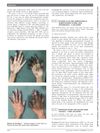
September 2016 in “Pediatric dermatology” This review discusses the diverse clinical manifestations of mucopolysaccharidoses in children and emphasizes the importance of early diagnosis and treatment initiation, but it reports no new clinical findings.
August 2024 in “American Journal of Medical Genetics Part A” In this case study, researchers detailed two Saudi cases of the ultra-rare Trichohepatoneurodevelopmental syndrome, identifying pathogenic variants in the CCDC47 gene and reinforcing a strong gene-disease association, which helps clarify the disorder's clinical features and genetic mutations.
1 citations
,
October 2022 in “Current Opinion in Endocrinology, Diabetes and Obesity” This review discusses the diagnosis, management, and clinical challenges of female pattern hair loss in PCOS patients but reports no new clinical findings, highlighting the need for further research and multidisciplinary care.
 5 citations
,
March 2023 in “Archives of dermatological research”
5 citations
,
March 2023 in “Archives of dermatological research” This study found that hidradenitis suppurativa is associated with increased serum levels of hypoxia-inducible factor-1α, suggesting its role in the disease's pathogenesis and as a treatment target.
May 2025 in “Dermatology Reports” In this case study from King Fahad University Hospital, an 11-month-old Saudi boy with a history of short, non-growing hair was diagnosed with autosomal recessive woolly hair/hypotrichosis, attributed to a homozygous mutation in the LIPH gene.

This study explores the expression and function of 11β-HSD1 in human hair follicles and its potential regulation of glucocorticoid effects on dermal papilla cells, but reports no definitive findings on 11β-HSD1's role.
 20 citations
,
June 2007 in “Recent Patents on Endocrine, Metabolic & Immune Drug Discovery”
20 citations
,
June 2007 in “Recent Patents on Endocrine, Metabolic & Immune Drug Discovery” This review summarizes recent research and patents on 17β-HSD3, 17β-HSD5, and 3α-HSD3 inhibitors, suggesting their potential in treating androgen-dependent diseases, but reports no new clinical results.
In this case report, a 19-year-old woman with systemic lupus erythematosus experienced significant improvement in neuropsychiatric symptoms, including psychosis and seizures, following treatment with high-dose corticosteroids, immunosuppressants, and antidepressants.
149 citations
,
April 2013 in “Drug Safety”  115 citations
,
October 2009 in “The Journal of clinical endocrinology and metabolism/Journal of clinical endocrinology & metabolism”
115 citations
,
October 2009 in “The Journal of clinical endocrinology and metabolism/Journal of clinical endocrinology & metabolism” In this study, researchers identified novel LMNA mutations in patients with atypical progeroid syndrome, revealing clinical features distinct from other similar disorders, but unrelated to mutant prelamin A accumulation.
January 2026 in “British Journal of Clinical Pharmacology” In this study, reports from individuals using Serenoa repens indicated a possible post-Serenoa syndrome characterized by persistent sexual and neuropsychiatric symptoms, with causality assessed as 'probable' in 54% of cases, highlighting an underrecognized safety concern that warrants further investigation.
 January 2024 in “Wiadomości Lekarskie”
 In this study, a child's diagnosis of Silver-Russell syndrome was confirmed through phenotype data, genetic testing, and the exclusion of other developmental conditions, revealing a need for a multidisciplinary care approach.
4 citations
,
October 2023 in “Journal of clinical medicine” This meta-analysis found that women with polycystic ovary syndrome have over a 2.5-fold higher risk of depression compared to healthy women.
2 citations
,
January 2020 in “Clinical Dermatology Review” In this study, idiopathic hirsutism was identified as the most common cause of hirsutism among the patients, followed by polycystic ovarian syndrome.
 7 citations
,
February 2015 in “Journal of comparative pathology”
7 citations
,
February 2015 in “Journal of comparative pathology” This study observed that NSG-hu-BLT mice developed graft-versus-host disease characterized by CD8+ T lymphocyte-related cell death in the skin and liver, which may affect their utility in other research areas.

In a human genetic study on hidradenitis suppurativa, researchers identified 12 genetic risk loci and found that CXCR4-CD74 signaling may play a key role in hair follicle inflammation, suggesting CXCR4 blockade as a potential therapeutic approach for this condition.
 7 citations
,
January 1992 in “Adolescent and pediatric gynecology”
7 citations
,
January 1992 in “Adolescent and pediatric gynecology” This review discusses the unique challenges of diagnosing and managing polycystic ovarian syndrome in adolescents and reports no new clinical findings.
 August 2026 in “Clinical Cosmetic and Investigational Dermatology”
 In this study, combining Polynucleotides High Purification Technology with hyaluronic acid significantly reduced atrophic post-acne scar areas and improved Goodman-Baron scores in a majority of treated patients over six months, reaffirming the approach's beneficial effects in a real-world outpatient setting.
 101 citations
,
May 2014 in “PLOS ONE”
101 citations
,
May 2014 in “PLOS ONE” This study found that women with polycystic ovary syndrome have an increased risk of developing depressive disorder, anxiety disorder, and sleep disorder compared to those without the syndrome.
 63 citations
,
February 2013 in “Human cell”
63 citations
,
February 2013 in “Human cell” In this study using an animal model, researchers found that PEGL-DOX, unlike DOX, causes Hand-Foot Syndrome due to reactive oxygen species interacting with skin tissue, leading to skin-specific inflammatory responses.
 January 2024 in “ASEAN Journal of Psychiatry”
 In this study, researchers in Baghdad observed that women with PCOS who tested positive for CagA-IgG, a marker for H. pylori infection, showed significantly elevated insulin resistance and fasting blood sugar levels, regardless of metformin treatment, compared to controls.
 July 2014 in “Elsevier eBooks”
 The document concludes that various hypersensitivity diseases in horses can be diagnosed and treated with methods like immunotherapy and medication, and early aggressive treatment is crucial for severe diseases like equine cutaneous pythiosis.
 February 2026 in “Frontiers in Immunology”
 This study found that administering human amniotic mesenchymal stem cells (hAMSCs) in a mouse model of psoriasis improved skin lesions and reduced inflammation-related markers, suggesting potential therapeutic benefit and safety for treating psoriasis, and identified specific gene targets involved in the treatment's mechanism.
3 citations
,
July 2015 in “International Journal of School Health” This study found that in a sample of female adolescents in Shiraz, the most common PCOS phenotype was hyperandrogenic with polycystic ovary syndrome, warranting further investigation due to associated risks.
 2 citations
,
July 2015 in “Archives of Dermatological Research”
2 citations
,
July 2015 in “Archives of Dermatological Research” This study reports the first familial case of alopecia linked to a novel homozygous variant in the DSP gene, which did not coincide with heart abnormalities despite prior associations.
19 citations
,
October 2019 in “Clinical and Experimental Dermatology” This study found that spironolactone significantly reduced pain, lesion count, and disease severity in patients with hidradenitis suppurativa, as reported in multiple patient cohorts.
 39 citations
,
May 2011 in “European Journal of Clinical Investigation”
39 citations
,
May 2011 in “European Journal of Clinical Investigation” This review discusses the various causes of hirsutism other than PCOS, emphasizing the importance of distinguishing potentially life-threatening conditions like androgen-secreting tumors from more benign causes; it reports no new clinical findings.
 March 2016 in “Reactions Weekly”
 Post-finasteride syndrome causes various symptoms in men using finasteride, with no known cure.
May 2020 in “Research Square (Research Square)” In this study, HRQoL was significantly lower in women with PCOS, particularly those with the anovulatory phenotype, compared to controls at a tertiary hospital.
2 citations
,
September 2016 in “Journal of Dermatological Science” Reduced TRPS1 leads to increased STAT3 and SOX9 in hair follicles, affecting hair growth.