January 2009 in “China Practical Medicine” This study found that several genes, including capping protein, palladin, VEGF, and HSPC-related clones, might cooperatively influence the aggregation, proliferation, and cycle control of dermal papilla cells, potentially affecting hair follicle behavior.
16 citations
,
April 2024 in “Proceedings of the National Academy of Sciences” This study found that selectively targeting HDAC4 and HDAC7 in mice can reduce Th17 cell-mediated intestinal inflammation, suggesting a potential treatment approach for Th17-related inflammatory diseases like ulcerative colitis.
1 citations
,
October 2021 in “Journal of Investigative Dermatology” In this study, researchers discovered that the HrasG12V oncogenic mutation in murine skin epithelial cells initially promotes progenitor cell renewal but later leads to a balanced differentiation, stabilizing clone growth.
37 citations
,
January 1993 in “Journal of Investigative Dermatology” 32 citations
,
August 2020 in “American Journal Of Pathology” This study reports that in ovarian high-grade serous carcinoma, overexpressed S100A4 likely promotes epithelial-mesenchymal transition and cancer stem cell properties, affecting tumor behavior through its interaction with NMIIA and mutant p53.
 45 citations
,
July 2009 in “Journal of Investigative Dermatology”
45 citations
,
July 2009 in “Journal of Investigative Dermatology” This study reported significant upregulation and release of S100A4 in psoriatic skin, which may actively contribute to psoriasis pathogenesis.
9 citations
,
September 2024 in “Journal of Clinical Medicine” This review examines the role of autoinflammation and immune dysregulation in hidradenitis suppurativa, linking it to genetic factors and autoinflammatory syndromes, but highlights the need for further research to fully understand its pathogenic mechanisms.
January 2008 in “HAL (Le Centre pour la Communication Scientifique Directe)” This study identified complex regulatory elements and interactions involving the Hr gene and HR protein that are crucial for hair follicle formation and cycling in mammals.
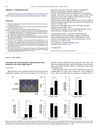
January 2011 in “Junshi yixue” This study established a murine chronic graft-versus-host disease model with scleroderma features, showing typical skin changes and cellular infiltrates associated with the condition.
 11 citations
,
June 2012 in “Journal of Dermatological Science”
11 citations
,
June 2012 in “Journal of Dermatological Science” This article reviews how aging affects skin and stem cells, but it contains no new research findings.
 30 citations
,
July 2019 in “Endocrinology”
30 citations
,
July 2019 in “Endocrinology” This review discusses how the HSD3B1(1245C) genotype may impact androgen physiology and the progression of castration-resistant prostate cancer, and does not report new experimental results.
 30 citations
,
January 2009 in “Nuclear Receptor Signaling”
30 citations
,
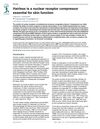
January 2009 in “Nuclear Receptor Signaling” This study identified the Hairless (Hr) gene-encoded protein as a corepressor that plays a crucial role in maintaining skin and hair by regulating epithelial stem cell differentiation and gene expression via chromatin remodeling, which may impact both development and disease.
 1 citations
,
January 2023 in “In vivo/In Vivo”
1 citations
,
January 2023 in “In vivo/In Vivo” This study suggests that the activation of box A in mesenchymal cell models may enhance stem cell properties, increasing the expression of stemness markers like OCT4, NANOG, and SOX2.
 3 citations
,
September 2016 in “British Journal of Dermatology”
3 citations
,
September 2016 in “British Journal of Dermatology” Warts in HIV-positive men can have serious abnormal cell growth, needing careful analysis and treatment to prevent cancer.
2 citations
,
September 2024 in “Pharmaceuticals” This study suggests that human placenta hydrolysate reduces CFA-induced inflammatory pain in mice by inhibiting pro-inflammatory cytokines and protecting peripheral nerves.
 2 citations
,
January 2014 in “Elsevier eBooks”
2 citations
,
January 2014 in “Elsevier eBooks” This review discusses drug-induced hypersensitivity syndrome and drug reaction with eosinophilia and systemic symptoms, highlighting clinical features, potential viral reactivations, and treatment, but reports no new clinical findings.
21 citations
,
August 2007 in “Experimental Dermatology” This study found that mice genetically modified to overexpress the serine protease inhibitor hurpin showed reduced UV-induced apoptosis but increased susceptibility to skin cancer after chemical carcinogenesis.
1 citations
,
February 1991 in “Journal of Biological Chemistry”  August 2016 in “Journal of Investigative Dermatology”
 This case report identifies a novel LIPH gene mutation linked to autosomal recessive woolly hair/hypotrichosis in a Japanese boy, expanding the spectrum of known mutations associated with this condition.

This study found that the long non-coding RNA lnc056 promotes the proliferation of hair follicle stem cells by upregulating TRIP6 expression through interaction with the transcription factor HNRNPUL1, suggesting a potential target for hair loss treatment.
28 citations
,
December 1997 in “Journal of Biological Chemistry” This study found that the hHa1-t protein variant, caused by a genetic polymorphism in the hHa1 gene, forms functional keratin filaments despite lacking a complete nonhelical tail domain, explaining the absence of a pathological hair phenotype.
2 citations
,
December 2022 in “The Journal of Dermatology” This study found that patients with hidradenitis suppurativa had significantly higher levels of cell-free DNA in their serum compared to healthy controls, suggesting its potential as a biomarker for the disease.
 78 citations
,
October 2020 in “Experimental Dermatology”
78 citations
,
October 2020 in “Experimental Dermatology” This review summarizes 15 years of clinical and experimental research advancements in hidradenitis suppurativa, highlighting its recognition as a uniquely healable inflammatory skin disease but reports no new clinical results.
 November 2009 in “Medical & surgical dermatology”
 This study found that haploinsufficiency of SPINK5 can lead to Netherton syndrome when a single null mutation combines with homozygous G1258A polymorphisms, suggesting it acts as a genuine mutation affecting LEKTI function.
14 citations
,
April 2013 in “Journal of dermatological science” This study found that Hairless protein down-regulates Msx2 expression, affecting hair follicle formation in Hairpoor mice by altering the MSX2 regulatory pathway.
July 2025 in “Journal of Investigative Dermatology” Reduced AhR signaling in HS tunnels leads to persistent inflammation and microbial imbalance.
3 citations
,
January 2022 in “Burns & Trauma” This study found that CTHRC1 is crucial for sweat gland function and vascular network integrity in mice, and its administration improved sweat gland performance by reconstructing nearby blood vessels.
 July 2022 in “The journal of investigative dermatology/Journal of investigative dermatology”
 This case study reports that a 26-year-old woman with epidermolysis bullosa prurogompsa also presented with unique findings of co-existing muscular dystrophy and immune-based myasthenia gravis, with significant improvement following steroid treatment.
 January 2017 in “Journal of clinical & experimental dermatology research”
 This study found that human embryonic and induced pluripotent stem cells differentiated into specific bulge stem cells and successfully formed new hair follicles when transplanted with mouse dermal cells in immunodeficient mice.