 35 citations
,
November 1931 in “Journal of Genetics”
35 citations
,
November 1931 in “Journal of Genetics” Hairless mice lack fur due to a genetic mutation affecting skin response, not hormone issues.
 9 citations
,
January 2022 in “Dermatology”
9 citations
,
January 2022 in “Dermatology” This review reports a notably higher prevalence and severity of alexithymia among dermatology patients than healthy controls, suggesting its consideration may enhance treatment outcomes and quality of life.
29 citations
,
December 2022 in “Dermatology and Therapy” This study reported that patients with alopecia areata experienced significant increases in work productivity loss and activity impairment due to worsening emotional symptoms, highlighting a need for better treatments.
 19 citations
,
January 2013 in “Journal of Cutaneous Medicine and Surgery”
19 citations
,
January 2013 in “Journal of Cutaneous Medicine and Surgery” This study found that patients with alopecia areata exhibit a stronger deficiency in coping with stress compared to those with androgenetic alopecia and controls, suggesting a psychosomatic component to the condition.
April 2025 in “African Journal of Biomedical Research” This study observed that female breast cancer patients receiving chemotherapy most commonly reported "worrying" as a psychological symptom and "weight loss" as a physical symptom, while coping strategies included praying or meditating for active coping, and using distractions like movies and shopping for passive coping.
 March 2026 in “Portuguese Journal of Dermatology and Venereology”
 This study found that patients with androgenetic alopecia and alopecia areata experienced a significant impact on quality of life, with moderate levels of anxiety and depression, and no significant difference in psychiatric comorbidities between the groups.
August 2023 in “Farmacja Polska” This study observed that hair loss due to cytotoxic cancer treatment significantly affects social functioning and interpersonal relationships for both men and women, although it does not have a notable impact on specific daily activities.
July 2026 in “JEADV Clinical Practice” This study found that the SAAD-41 is a validated tool for assessing psychosocial outcomes in individuals with alopecia areata, showing strong correlations with established measures of quality of life and coping.
 June 2023 in “Buletin de psihiatrie integrativă”
 This research highlights that alopecia, while not physically harmful, significantly impacts individuals' mental health due to its effects on self-image, and suggests a management strategy that includes psychological counseling alongside dermatological treatment to address these challenges.
 11 citations
,
December 2014 in “The American journal of pathology”
11 citations
,
December 2014 in “The American journal of pathology” This study found that a genetic deletion causing truncated desmoglein 3 protein in mice led to severe pathologies, including cyclic hair loss and immunodeficiency, suggesting possible implications for human desmosome-related diseases.
2 citations
,
July 2025 in “Consilium Medicum” This study found that in women with alopecia, anxiety levels significantly decreased with temgikoluril alongside standard therapy over 12 weeks, enhancing emotional well-being and treatment satisfaction compared to the control group receiving only standard therapy.
1 citations
,
January 2025 in “Discrete and Continuous Dynamical Systems - B” This study developed and analyzed a mathematical model for alopecia areata involving interactions among immune cells and cytokines, establishing conditions under which hairless patches can become stable and pervasive, particularly with certain biological rate levels and chemotactic sensitivities.
September 2025 in “Middle East Current Psychiatry” In this study, caregivers of patients with chronic skin diseases such as psoriasis, vitiligo, and alopecia areata reported significant burdens, including stress and lack of time, which negatively impacted their quality of life, particularly in those caring for psoriasis patients.
April 2017 in “Journal of Pakistan Association of Dermatology” This study found that female pattern hair loss significantly impacts quality of life, suggesting that psychological support may enhance treatment adherence.
 12 citations
,
December 2016 in “International journal of nursing practice”
12 citations
,
December 2016 in “International journal of nursing practice” This study examined symptom experiences and management strategies among Puerto Rican children undergoing cancer treatments, highlighting that irritability, nausea, and hair loss were the most common symptoms reported by mothers.
 29 citations
,
November 2018 in “Journal of The European Academy of Dermatology and Venereology”
29 citations
,
November 2018 in “Journal of The European Academy of Dermatology and Venereology” This study found that anxiety-related traits significantly predict the impact of hair loss on quality of life across different alopecia types, with variations observed based on gender.
15 citations
,
July 2021 in “JAMA Dermatology” This study found that androgenetic alopecia is significantly associated with moderate impairment of health-related quality of life and emotions, but not with depressive symptoms.
 15 citations
,
January 2018 in “Annals of Dermatology”
15 citations
,
January 2018 in “Annals of Dermatology” Wigs significantly improve the well-being of people with severe hair loss.
June 2025 in “Academic Medical Journal” This review discusses the mechanisms underlying the collapse of hair follicle immune privilege in alopecia areata and emphasizes the importance of therapeutic strategies aimed at restoring immune tolerance.
January 2013 in “Annals of King Edward Medical University” This study observed that androgenetic alopecia notably impacts quality of life, with women experiencing poorer outcomes than men, particularly affecting symptoms, feelings, and personal relationships.
 July 2025 in “Discover Mental Health”
 This study found that among medical science students, while academic enthusiasm and loneliness are average, their fear of intimacy is below average; it also observed that increased loneliness predicts decreased academic enthusiasm, suggesting a need for workshops to address this issue.
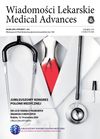 January 2024 in “Wiadomości Lekarskie”
 This presentation explores burnout and compassion fatigue among healthcare professionals, detailing their causes, symptoms, and consequences, and emphasizes strategies for prevention and management, such as mindfulness and organizational support, to improve both provider and patient outcomes.
June 2026 in “Universal Library of Multidisciplinary” This study explores a new therapeutic method called THE YOU TECHNIQUE, which uses performing arts like stand-up comedy to help people with alopecia reduce stigmatization and improve coping strategies, showing promising empirical results in enhancing subjective quality of life.
1 citations
,
April 2025 in “Journal of Clinical Medicine” This review reports that alopecia areata negatively affects sexual functioning, highlighting the need for further research due to limitations in current study sizes and populations.
17 citations
,
June 2024 in “Journal of the European Academy of Dermatology and Venereology” This study suggests that using an appropriate tool for measuring quality of life is vital, particularly as factors like severity, female sex, and eyebrow involvement may increase the psychosocial burden of alopecia areata.
 March 2020 in “Journal of Cosmetic Dermatology”
 This letter to the editor discusses patient perspectives on androgenetic alopecia treatment at a tertiary dermatology center in Singapore, though results or specific findings are not reported in the abstract.
This review examines the psychological effects of chronic hair diseases and reports no new findings, highlighting the impact on self-confidence, coping skills, and associated psychiatric conditions.
December 2021 in “BMJ Open” This study found no significant association between androgenetic alopecia and psychosocial well-being among middle-aged men in the Northern Finland Birth Cohort.
 October 2004 in “European Neuropsychopharmacology”
 This article reviews studies on younger men using finasteride for hair loss, finding persistent sexual and nonsexual side effects like erectile dysfunction and depression, and reports lower neurosteroid levels in affected individuals.
33 citations
,
October 2006 in “European Journal of Immunology” This study found that CD44 and CD49d together enhance signaling pathways in lymphocytes in mice with alopecia areata, influencing their activation and function.