 September 2016 in “Journal of Dermatological Science”
 This study found that epidermal-specific deletion of aPKCλ in mice disrupted hair follicle stem cell quiescence and regeneration, leading to abnormal hair cycling and skin changes.
7 citations
,
March 2017 in “Experimental and Therapeutic Medicine” This study found that human hair follicle-derived mesenchymal stem cells effectively maintained human embryonic stem cells in an undifferentiated state, comparable to mouse embryonic fibroblasts under standard conditions.
 1 citations
,
March 2019 in “Chinese Medical Journal”
1 citations
,
March 2019 in “Chinese Medical Journal” This study identified a small population of PAX3+/CD34+ cells in human foreskin tissue that may serve as transition cells between melanocyte stem cells and hair follicle stem cells, characterized by specific marker expressions.
 7 citations
,
August 2022 in “Nature communications”
7 citations
,
August 2022 in “Nature communications” This study found that Thy1+ keratinocytes in the basal layer of the interfollicular epidermis play a crucial role in epidermal homeostasis and wound repair, with their ablation impairing these processes.
 10 citations
,
May 2018 in “Cell death discovery”
10 citations
,
May 2018 in “Cell death discovery” This study found that the interaction between heat shock protein 90 and lamin A/C is crucial for the growth, migration, and self-aggregation of dermal papilla cells, suggesting a potential role in alopecia areata mechanisms.
 1 citations
,
January 2008 in “Springer eBooks”
1 citations
,
January 2008 in “Springer eBooks” This study found that hair follicle stem cells are multipotent and can enhance nerve regeneration and function in mice, showing potential as an accessible source for treating peripheral nerve injuries.
 2 citations
,
May 2023 in “bioRxiv (Cold Spring Harbor Laboratory)”
2 citations
,
May 2023 in “bioRxiv (Cold Spring Harbor Laboratory)” This study found that stem cells can temporarily act as non-professional phagocytes during hair cycle regeneration by clearing apoptotic cells through a process requiring local lipids and retinoids for activation, providing insights into their dual role in maintaining tissue integrity.
July 2025 in “Journal of Investigative Dermatology” Hhip-Cre effectively targets dermal papilla cells for gene manipulation in hair biology.
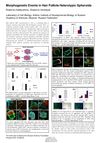
This study found that hyaluronic acid increased the size of hair follicle germ-like aggregates and the number of proliferative cells but did not maintain specific markers during the process.
16 citations
,
February 2013 in “Molecular Medicine Reports” This study found that CD34+ cells from adipose tissue may enhance hair morphogenesis and participate in blood vessel formation in reconstituted skin tissues of mice.
April 2013 in “Cancer Research” This study confirmed the presence of specific stem cell populations in SKH1 hairless mice skin, including CD34+/α6-integrin+ cells, which are important for investigating ultraviolet radiation-induced carcinogenesis.
January 2012 in “Institutional Repositories DataBase (IRDB)” This study observed that cell aggregates derived from mouse skin and lung tissues may aid in hair follicle regeneration when transplanted into skin defects of immunodeficient mice.
52 citations
,
October 2005 in “Journal of Investigative Dermatology” This study found that human hair follicle stem cells formed more colonies and adhered more rapidly, while transit-amplifying cells showed significantly greater mobility.
April 2023 in “Journal of Investigative Dermatology” This study found that blocking apoptosis during the catagen phase in mice disrupts hair follicle stem cell niche architecture, delaying subsequent hair regeneration cycles.
 7 citations
,
January 2016 in “Methods in molecular biology”
7 citations
,
January 2016 in “Methods in molecular biology” This study describes the process of isolating and analyzing multipotent stem cells from mouse hair follicles for potential use in tissue engineering and regenerative medicine.
2 citations
,
February 2022 in “bioRxiv (Cold Spring Harbor Laboratory)” In this study, researchers found that correcting the HGPS mutation with Adenine base editing partially rescued accelerated skin cell differentiation and reduced cell death in patient-derived stem cells.

This study suggests that targeting the activation of transit-amplifying cell-derived progenitor cells may help prevent hair loss from chemotherapy and radiotherapy by promoting hair follicle regeneration.
43 citations
,
September 2009 in “Stem Cells” This study reported that GFP labeling driven by the K15 promoter enables visualization and selection of stem cells in adult human scalp hair follicles for further analysis and manipulation.
 6 citations
,
May 2021 in “Stem Cell Reviews and Reports”
6 citations
,
May 2021 in “Stem Cell Reviews and Reports” This study identified and characterized progenitor cells from equine feet that may play a role in the pathogenesis and recovery of laminitis, suggesting potential therapeutic targets for treatment.
 September 2026 in “Stem Cell Reviews and Reports”
 Bulge progenitor cells show promise for regenerating hair follicles and increasing hair density.
16 citations
,
July 2008 in “BMC Genomics” This study shows that alpha 6 + /MHCI - cells have gene expression profiles similar to hair follicle stem cells, suggesting they may be enriched for stem cells.
82 citations
,
May 2004 in “British Journal of Dermatology” This study found CK19/Bcl-2-positive and Bax-negative cells in hair follicle cultures from plucked hairs, supporting their potential identification as follicular stem cells located in the bulge area.
169 citations
,
February 2018 in “Immunity” In this study, researchers found that quiescent stem cells resist immune attack due to downregulated antigen presentation, which may help explain the immune evasion of early cancer-initiating cells.
3 citations
,
July 2017 in “Endogenous locus-driven H-Ras G12V expression induces senescence-like phenotype in primary fibroblasts of the Costello syndrome mouse model” This study found that mouse hair follicle stem cells in a quiescent state exhibit greater chromatin dynamics and de-differentiation potential, suggesting higher cell fate plasticity compared to their proliferative or differentiated counterparts.
April 2026 in “Cytotherapy” This study identifies macrophage-mediated immune signaling as a crucial factor in activating hair follicle stem cells and promoting hair regeneration, offering a new model for testing regenerative therapies for alopecia.
9 citations
,
December 2021 in “Journal of Cellular and Molecular Medicine” In this study, researchers found that human adipose tissue-derived mesenchymal stromal cells exhibit significant phagocytic ability against various particles and pathogens, which might enhance strategies for addressing specific local and systemic infections due to their regenerative properties.
 March 2022 in “Indian Journal of Animal Research”
 In this study, canine hair follicle stem cells were shown to be multipotent, capable of differentiating into various cell types like adipocytes in vitro.
1 citations
,
July 2025 in “Scientific Reports” This study found that CD133-positive dermal papilla cells significantly enhanced hair growth in mice compared to CD133-negative cells, suggesting their potential for improving human hair follicle engineering.
 106 citations
,
March 2014 in “BioEssays”
106 citations
,
March 2014 in “BioEssays” This review examines current knowledge on human epithelial hair follicle stem cells, their markers, and outlines challenges in translating findings from murine studies to human research, but does not report new experimental results.
 80 citations
,
May 2011 in “Nature Cell Biology”
80 citations
,
May 2011 in “Nature Cell Biology” This review discusses the progress in identifying stem cells responsible for tissue regeneration and highlights technological advances in tracking their behavior, but reports no new clinical results.