1 citations
,
December 2022 in “Bioactive Materials” In this study, researchers developed a nanocomposite microneedle patch containing copper/zinc dual-doped silica nanoparticles, which release substances to promote hair follicle regeneration by targeting various pathophysiological aspects of androgenic alopecia, presenting an effective anti-hair loss treatment strategy.
 1 citations
,
October 2022 in “Dermatology practical & conceptual”
1 citations
,
October 2022 in “Dermatology practical & conceptual” Isolated patchy heterochromia with pili annulati can occur without other health issues.
1 citations
,
October 2020 in “Cermin Dunia Kedokteran” This study reported complete clinical clearance of tinea capitis in a 3-year-old boy after 8 weeks of treatment with oral griseofulvin and ketoconazole shampoo.
 January 2025 in “Journal of Materials Chemistry B”
 This research highlights the potential of using nanomaterials with advanced reactive oxygen properties to target oxidative stress in hair follicle tissue, which is associated with androgenetic alopecia, addressing a gap in the current understanding of AGA treatments.
 February 2024 in “Advanced Functional Materials”
 This study reported that a newly developed hydrogel patch, designed to recruit regulatory T cells through ROS-triggered release of CCL22, improved wound healing and hair follicle regeneration in a diabetic mouse model by scavenging ROS, thereby protecting Tregs and suppressing Th17 cells.
 December 2021 in “The Korean Society of Beauty and Art”
 In this study, a microneedle patch system using pullulan as a polymer was found to efficiently deliver finasteride, promising convenience and effectiveness in treating hair loss.
 September 2021 in “C&EN global enterprise”
 In this study using animal models, microneedle patches loaded with artificial enzymes effectively treated androgenic alopecia, achieving results comparable to the over-the-counter drug minoxidil.
 January 2021 in “Advances in health sciences research/Advances in Health Sciences Research”
 This case report describes two siblings with gray patch tinea capitis, highlighting exposure to cats and inappropriate corticosteroid use as risk factors, and treatment with griseofulvin and terbinafine.
 May 2024 in “AlQalam Journal of Medical and Applied Sciences”
 This study observed that recurrent alopecia areata patients with salmon patches on the nape often had severe disease, particularly alopecia areata ophiasis, which was more common in females.
January 2026 in “Zenodo (CERN European Organization for Nuclear Research)” This article explores the pathophysiology of alopecia and reviews various treatment options, including allopathic, homeopathic, naturopathic, cosmeceutical, and ayurvedic approaches, in light of the increasing interest in hair health and the rise in alopecia cases. Results are not reported.
January 2026 in “Zenodo (CERN European Organization for Nuclear Research)” This article explores the various causes of alopecia and provides an overview of treatments such as allopathic, homeopathic, naturopathic, cosmeceutical, and ayurvedic methods, emphasizing recent advancements in addressing hair loss.
 November 2025 in “Archives of Dermatological Research”
 Using a higher concentration of triamcinolone acetonide leads to faster hair regrowth in scalp patchy alopecia areata.
This study emphasizes the importance of dermatologists practicing cultural sensitivity and providing appropriate recommendations for Black women experiencing hair loss, as understanding textured hair can present diagnostic challenges.
 June 2023 in “Journal for international medical graduates”
 This study observed a significant association between smoking and an increased risk of hair loss, including male pattern baldness, and highlights the need for interventions at individual, community, and national levels to address smoking-related hair loss.
 January 2022 in “Social Science Research Network”
 This study demonstrates that a newly developed nanocomposite microneedle patch, releasing copper and zinc ions along with quercetin, effectively promotes hair follicle regeneration in androgenic alopecia by targeting various pathophysiological aspects of hair loss.
 24 citations
,
August 2011 in “Experimental Dermatology”
24 citations
,
August 2011 in “Experimental Dermatology” In this study, mixing mouse epithelial and dermal cells was the most successful method for reconstituting hair follicles in mice, with the hair patch assay providing the quickest results.
 January 2012 in “Journal of the Dermatology Nurses’ Association”
 The document explains hair growth, hair loss types, and other hair-related terms.
 63 citations
,
October 1972 in “British Journal of Dermatology”
63 citations
,
October 1972 in “British Journal of Dermatology” Women with thinning hair have thinner hair strands than women without hair loss.
 39 citations
,
October 2010 in “Journal of The American Academy of Dermatology”
39 citations
,
October 2010 in “Journal of The American Academy of Dermatology” This study reported that alopecia occurred in 2.5% of patients with mycosis fungoides or Sézary syndrome, with some cases resembling alopecia areata and others associated with specific skin lesions.
 31 citations
,
April 2010 in “British journal of dermatology/British journal of dermatology, Supplement”
31 citations
,
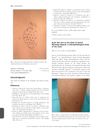
April 2010 in “British journal of dermatology/British journal of dermatology, Supplement” This report describes two patients with frontal fibrosing alopecia who developed acute hair loss on their limbs, revealing that the limb alopecia had similar histological features to scalp alopecia.
 30 citations
,
October 2013 in “Lupus”
30 citations
,
October 2013 in “Lupus” This study identified distinct clinical and dermatoscopic features to differentiate non-scarring patchy alopecia in SLE from alopecia areata, emphasizing the value of serological tests in diagnosis.
 30 citations
,
January 2013 in “International Journal of Trichology”
30 citations
,
January 2013 in “International Journal of Trichology” This study found that in Jordanian children, tinea capitis, alopecia areata, and telogen effluvium were the most common causes of hair loss, with nutritional deficiencies such as iron and zinc deficiency also noted as significant factors.
 30 citations
,
May 2004 in “Journal der Deutschen Dermatologischen Gesellschaft”
30 citations
,
May 2004 in “Journal der Deutschen Dermatologischen Gesellschaft” This review proposes a classification system for childhood hair loss based on clinical appearance, age of onset, and associated symptoms, but reports no new clinical results.
 27 citations
,
September 2012 in “Dermatologic Clinics”
27 citations
,
September 2012 in “Dermatologic Clinics” This review outlines a systematic method for diagnosing hair loss and presents no new findings; the authors emphasize the importance of biopsy in cicatricial alopecia cases.
 25 citations
,
July 2017 in “Archives of Dermatological Research”
25 citations
,
July 2017 in “Archives of Dermatological Research” This review summarizes preclinical and clinical information on herbal products for hair loss treatment, highlighting their mechanisms, follicular penetration, and potential side effects, suggesting they may offer alternatives to synthetic drugs with fewer side effects.
19 citations
,
July 2019 in “Journal of Cosmetic Dermatology” This study found that in patients with patchy alopecia areata, certain trichoscopic features like upright regrowing hairs and pigtail hairs are positive predictive markers for treatment success.
 15 citations
,
July 2002 in “Clinical and Experimental Dermatology”
15 citations
,
July 2002 in “Clinical and Experimental Dermatology” This review discusses the role of hair microscopy in diagnosing alopecia, stating that while it excludes diagnoses related to hair breakage, it only confirms nonspecific short anagen in alopecia cases.
 11 citations
,
July 2008 in “International Journal of Dermatology”
11 citations
,
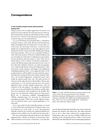
July 2008 in “International Journal of Dermatology” This article discusses a case of patchy alopecia areata that spares greying hairs but reports no new findings; it refers to existing literature for context.
8 citations
,
January 2020 This article discusses dermatoscopy's role in identifying alopecia areata, highlighting that exclamation mark hairs are a strong indicator of the condition, but reports no new clinical data.
6 citations
,
November 2020 in “Clinical Cosmetic and Investigational Dermatology” This study found that intralesional injections of triamcinolone acetonide at 5 mg/mL are as effective and safe as 10 mg/mL for treating patchy alopecia areata on the scalp, with similar hair regrowth rates, side effects, and recurrence observed between the two dosages.