 78 citations
,
June 2013 in “Science”
78 citations
,
June 2013 in “Science” This study found that mice lacking the Sept4/ARTS gene had more hair follicle stem cells and improved wound healing, suggesting apoptosis regulation as a potential target in regenerative medicine.
 July 2022 in “Journal of Investigative Dermatology”
 This study found that the transcription factor Lef1 is crucial for normal skin and hair development and wound healing, highlighting its role in regulating essential genes and pathways in papillary fibroblasts.
 10 citations
,
May 2012 in “Journal of Craniofacial Surgery”
10 citations
,
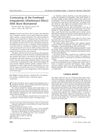
May 2012 in “Journal of Craniofacial Surgery” This case report describes a successful frontal region reconstruction using Cerament for a 50-year-old man, resulting in satisfactory forehead morphology and improved appearance four years post-surgery.
 September 2019 in “Journal of Investigative Dermatology”
 This study suggests that subtle modifications in ribosomal RNA methylation may influence cellular physiology and contribute to ribosome specialization in senescent human dermal fibroblasts.
 29 citations
,
June 2004 in “Pharmacology, Biochemistry and Behavior”
29 citations
,
June 2004 in “Pharmacology, Biochemistry and Behavior” Finasteride reduces alcohol withdrawal effects, especially in female mice.
December 2019 in “Reproduction Fertility and Development” This study found that mouse embryonic fibroblasts better supported the growth and maintenance of LGR5+ epidermal stem cells compared to porcine fetal fibroblasts, under various culture conditions.
 December 2023 in “Alzheimer's & dementia”
 In this rodent study, researchers found that the drug finasteride may reduce anxiety and depression-like behaviors in a model of aging, despite inducing metabolic disturbances and depressive-like behaviors in young rats, suggesting potential considerations for its use in elderly populations.
 April 2018 in “Journal of Investigative Dermatology”
 This study found that TGFbeta is a key pathway causing age-related loss of dermal fat's antimicrobial function, suggesting that targeting TGFBR might help restore skin defense against infections in older age.
 19 citations
,
January 2008 in “The veterinary clinics of North America. Exotic animal practice”
19 citations
,
January 2008 in “The veterinary clinics of North America. Exotic animal practice” This review discusses adrenal gland disease in ferrets, exploring its signs, potential contributing factors, and current treatment options, but it reports no new clinical results.
3 citations
,
March 2024 in “Journal of the American Academy of Dermatology” Low-dose naltrexone helps improve symptoms and stabilize frontal fibrosing alopecia and lichen planopilaris.
418 citations
,
January 2018 in “Journal of Investigative Dermatology” This study identified at least four distinct fibroblast populations in adult human skin, each with unique functional properties, suggesting potential therapeutic applications for wound healing and fibrosis-related diseases.
January 2013 in “Scholarworks (University of Massachusetts Amherst)” This dissertation reveals that FERONIA, a cell wall-binding receptor kinase, plays a crucial role in regulating plant functions such as sugar signaling, pollen tube reception, and RAC/ROP-mediated auxin signaling.
This study introduced ElixirSeeker2, a computational framework for designing anti-aging peptides, and found that some newly identified peptides significantly delayed cellular senescence and enhanced cellular and locomotor functions in aged Caenorhabditis elegans.
12 citations
,
July 2020 in “Actas Dermo-Sifiliográficas” This study found that facial papules and rosacea in patients with frontal fibrosing alopecia were linked to a greater need for oral treatment, with most cases involving postmenopausal women.
3 citations
,
December 2024 in “Journal of Animal Physiology and Animal Nutrition” In this study, researchers found that reducing FGF20 expression in dermal papilla cells of fine-wool sheep impedes the growth and differentiation of hair follicle stem cells, providing insights into wool trait improvement and regenerative medicine applications.
 12 citations
,
June 2022 in “FARMACIA”
12 citations
,
June 2022 in “FARMACIA” This study found that a topical transethosomal system may enhance the skin penetration and deposition of naftifine compared to a marketed cream, potentially overcoming the stratum corneum barrier.
September 2023 in “Journal of the American Academy of Dermatology” This study examined the application of new clinical guidelines for diagnosing frontal fibrosing alopecia in 18 men, highlighting that current diagnostic criteria may often overlook early beard involvement and sideburn recession.
October 2022 in “European Heart Journal” This study found that extracellular vesicles derived from cardiosphere-derived cells classified as potent were effective in reducing cardiac hypertrophy and improving systemic health markers in rats with induced cardiac aging.
 5 citations
,
June 2023 in “BMC genomics”
5 citations
,
June 2023 in “BMC genomics” This study found that a specific genetic mutation in the Fgf5 gene may contribute to the long-hair trait in Angora rabbits by reducing the binding capacity of the FGF5 protein.
12 citations
,
November 2018 in “Aesthetic plastic surgery” In this study, autologous fibroblasts combined with keratin gel were reported to effectively and safely improve tear trough deformities up to 24 months post-injection, with no severe adverse effects observed.
 24 citations
,
September 2015 in “JAAD case reports”
24 citations
,
September 2015 in “JAAD case reports” This case report describes a patient with frontal fibrosing alopecia experiencing significant hair regrowth and reversal of cutaneous atrophy after treatment with the 5α-reductase inhibitor finasteride.
 6 citations
,
July 2007 in “Aesthetic Surgery Journal”
6 citations
,
July 2007 in “Aesthetic Surgery Journal” This article discusses techniques for correcting hairline deformities after face lift procedures using follicular unit implantation, but it reports no clinical results.
30 citations
,
January 1997 in “ILAR Journal” This review details the development and genetic background of senescence-accelerated mouse strains, provides a comprehensive examination of their phenotypes, and highlights their importance for aging research, but reports no new experimental results.
 1 citations
,
January 2010 in “Clinica Veterinaria De Pequenos Animales”
1 citations
,
January 2010 in “Clinica Veterinaria De Pequenos Animales” In this case report, treatment with antibiotics, finasteride, and prostate omentalization restored fertility in a 6-year-old German Shepherd with prostatitis and astenoteratozoospermia, avoiding surgical castration.
 37 citations
,
January 1991 in “Reproductive Toxicology”
37 citations
,
January 1991 in “Reproductive Toxicology” The study observed that finasteride reduced fertility in male Sprague-Dawley rats by impairing the formation of copulatory plugs, an effect considered specific to rats and not applicable to species without this reproductive feature.
142 citations
,
February 2016 in “Science” This review discusses the role of Foxc1 and type XVII collagen in hair follicle stem cell quiescence and aging, identifying mechanisms that relate to hair thinning and hair loss, and reports no new results.
February 2025 in “International Journal of Impotence Research”  28 citations
,
December 2008 in “Laboratory investigation”
28 citations
,
December 2008 in “Laboratory investigation” This study observed that selectively activating activin in the epidermis of mice enhanced reepithelialization during wound healing without altering the quality of the healed wound.
 8 citations
,
October 2016 in “Actas Dermo-Sifiliográficas”
8 citations
,
October 2016 in “Actas Dermo-Sifiliográficas” This study found that men with frontal fibrosing alopecia exhibited more frequent facial papules, androgenetic alopecia, and body hair loss compared to women with the condition, and were generally older.
26 citations
,
February 2021 in “FEBS Journal” This review discusses potential immune therapies targeting regulatory T cells for age-related diseases and emphasizes the need for further research to translate these therapies into clinical practice.