18 citations
,
June 2020 in “Dermatologic Therapy” In this study, FCO2 laser treatment showed significantly better improvement for alopecia areata compared to traditional intralesional corticosteroid injections, with no serious side effects or relapse observed.
January 2025 in “Journal of the Egyptian Womenʼs Dermatologic Society” In this study, both fractional carbon dioxide laser therapy and cryotherapy were found to be effective and safe for treating patchy alopecia areata, showing similar efficacy in improving hair growth compared to untreated control patches.
This case report describes a 62-year-old male with multiple warty dyskeratomas found on the scalp, chest, abdomen, and lower back, a rare presentation confirmed by histological findings consistent with warty dyskeratoma, as noted by the researchers.
 October 2025 in “Iraqi postgraduate medical journal”
 This study observed that using fractional CO2 laser-assisted delivery of clobetasol propionate cream significantly improved treatment outcomes for localized alopecia areata compared to the cream alone, suggesting the laser's enhancing effect on hair regrowth.
 January 2025 in “Advances in Clinical Medicine”
 This source highlights that fractional CO2 laser, as a minimally invasive technology, shows significant benefits in treating various skin and mucosal conditions by improving therapeutic outcomes, shortening recovery times, and enhancing precise personalized interventions through emerging technologies like AI and biomarker monitoring.
 February 2024 in “Journal of Cosmetic Dermatology”
 This clinical trial found that combining fractional CO2 laser with bimatoprost solution significantly improved alopecia areata treatment outcomes compared to bimatoprost alone, as measured by a more substantial reduction in SALT scores and higher patient satisfaction over 12 weeks.
 January 2025 in “Lasers in Surgery and Medicine”
 This study found that combining fractional CO2 laser with topical minoxidil 5% solution significantly improved hair growth in alopecia areata patients compared to minoxidil alone, with minimal side effects.
 November 2024 in “Health Science Reports”
 This systematic review found that light and laser therapies, including excimer and erbium-glass lasers, generally increase hair density and diameter in various types of alopecia, with particularly notable effects in androgenic alopecia but limited efficacy in telogen effluvium.
 November 2024 in “Journal of Cosmetic Dermatology”
 Regenerative medicine is effective and safe for treating vitiligo.
 July 2026 in “Lasers in Medical Science”
 In this study, the Peninsula Timerevert Needle was found to provide effective treatment for skin photoaging and acne scars with less pain and shorter treatment duration compared to EndyMed, although it caused more bleeding.
 October 2023 in “Frontiers in medicine”
 Targeted immunotherapy could be a promising new treatment for hair regrowth.
 September 2025 in “Dermatologic Surgery”
 This study found that combining Fractional Microneedling Radiofrequency (FMRF) with topical minoxidil significantly increased hair counts and density more than minoxidil alone or combined with Fractional CO2 in women with androgenic alopecia.
22 citations
,
September 2022 in “Medicina” This study found that the dual-wavelength non-ablative fractional laser provides enhanced skin rejuvenation by increasing thermal lesion coverage and collagen remodeling compared to using the CO2 laser alone in an ex vivo setting.
 10 citations
,
July 1997 in “Dermatologic Clinics”
10 citations
,
July 1997 in “Dermatologic Clinics” This article discusses the use of laser technology in hair transplantation and highlights its potential benefits and drawbacks, emphasizing its role in achieving natural results in cosmetic hair restoration.
 3 citations
,
August 1995 in “Journal of Clinical Laser Medicine & Surgery”
3 citations
,
August 1995 in “Journal of Clinical Laser Medicine & Surgery” Using a CO₂ laser for hair transplants improves the surgery and may become important in future hair restoration.
This article discusses the effects of ablative carbon dioxide laser treatment for skin rejuvenation, noting it requires only a single treatment but involves more complex postoperative management, without reporting new clinical outcomes.
 3 citations
,
September 2022 in “Archives of dermatological research”
3 citations
,
September 2022 in “Archives of dermatological research” In this study, fractional CO2 laser treatment for alopecia areata was found to significantly increase terminal hair and patient satisfaction compared to betamethasone valerate cream alone, highlighting its efficacy and safety both as a standalone and combined treatment.
43 citations
,
November 2012 in “Pharmaceutical research” This study found that fractional laser treatment significantly enhances the penetration and targeting of certain permeants, such as imiquimod and FD, to skin follicles, but not hydroquinone.
This abstract discusses the mechanism and effects of ablative carbon dioxide laser treatment for skin tightening, reporting no new clinical results but noting the need for involved postoperative management.
 January 2023 in “The Egyptian Journal of Hospital Medicine ”
 This review suggests that fractional CO2 laser treatment may be a promising option for treating alopecia areata with a good safety profile.
2 citations
,
December 2024 in “Microscopy Research and Technique” This study introduced a novel microscopy system using an Er3 + −doped femtosecond fiber laser, achieving detailed imaging of biological structures in plant and skin samples with improved spatial resolution for various applications, including in vivo imaging.
6 citations
,
September 2025 in “Cosmetics” This study introduced laser-assisted exosome delivery and observed early signs of clinical improvement in two patients, though causality cannot be inferred from these preliminary, uncontrolled cases.
July 2025 in “Journal of Investigative Dermatology” Laser treatment boosts hair growth by activating a key growth factor.
 2 citations
,
April 2025 in “Lasers in Medical Science”
2 citations
,
April 2025 in “Lasers in Medical Science” This study found that combining fractional CO₂ laser with halometasone cream improved chronic eczema more effectively than halometasone alone, with efficacy varying by laser parameters and showing better results at 4 weeks compared to 1 week. Pain was noted with higher energy treatments.
 3 citations
,
March 2019 in “Chinese Medical Journal”
3 citations
,
March 2019 in “Chinese Medical Journal” In this study using mice, fractional CO2 laser therapy promoted hair regrowth by inducing moderate inflammation, enhancing VEGF-mediated angiogenesis, and activating the Wnt10b signaling pathway.
 8 citations
,
January 1989 in “Journal of The American Academy of Dermatology”
8 citations
,
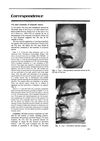
January 1989 in “Journal of The American Academy of Dermatology” This report suggests that CO2 laser treatment may be an effective alternative for removing traumatic tattoos caused by firearms, based on two successful patient cases.
December 2025 in “Eurasian Journal of Scientific and Multidisciplinary Research” In this clinical trial involving 60 patients, the Fractional CO2 laser was found to be more effective in achieving significant hair regrowth in alopecia areata compared to intralesional corticosteroid injections, with a 30% absolute improvement and reduced treatment failure rates.
 1 citations
,
April 2025 in “JOJ Dermatology & Cosmetics”
1 citations
,
April 2025 in “JOJ Dermatology & Cosmetics” In this study, researchers evaluated the efficacy of a collagen booster used alongside CO2 fractional laser treatment for skin aging, finding that the combination treatment affected the vascularization and healing process of the skin on a healthy adult's forearm.
 19 citations
,
August 2007 in “Seminars in Plastic Surgery”
19 citations
,
August 2007 in “Seminars in Plastic Surgery” This review discusses five popular resurfacing technologies for facial rejuvenation, highlighting their role in achieving smoother, healthier, and younger-looking skin, and reports no new clinical results.
January 2025 in “Journal of Biosciences and Medicines” This narrative review explores contraindications for fractional CO2 laser treatment of aesthetic disorders, highlighting conditions such as pigmentary disorders, active skin conditions, photosensitivity, and recent isotretinoin use, emphasizing the importance of careful patient selection to minimize risks and enhance safety and effectiveness.