 6 citations
,
June 2016 in “Experimental Dermatology”
6 citations
,
June 2016 in “Experimental Dermatology” This article reviews the pathogenesis of frontal fibrosing alopecia, highlighting the potential genetic and environmental contributions, particularly the use of sunscreens, and calls for further research into effective treatments.
 October 2025 in “Asian Journal of Oral Health and Allied Sciences”
 In this case report, a 28-year-old male with androgenetic alopecia showed improved hair density and shaft thickness after four monthly sessions of autologous growth factor concentrate injections, with no adverse effects and high patient satisfaction, suggesting the treatment’s promise as a safe and effective option.
September 2021 in “Zenodo (CERN European Organization for Nuclear Research)” This article discusses the global interest and market presence of biotin-based supplements like Folexin for preventing alopecia, but it reports no new research findings.
 7 citations
,
September 2015 in “Actas Dermo-Sifiliográficas”
7 citations
,
September 2015 in “Actas Dermo-Sifiliográficas” This article reviews the challenges of treating frontal fibrosing alopecia and the potential role of hair transplantation, noting the lack of effective medical treatments and uncertainty surrounding transplant outcomes.
January 2023 in “Dermatologic Therapy” This review found that intralesional corticosteroid injections and 5-alpha-reductase inhibitors were reported as the most effective treatments for frontal fibrosing alopecia, with oral isotretinoin showing promise for facial papule improvement.
 24 citations
,
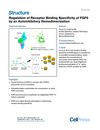
July 2017 in “Structure”
24 citations
,
July 2017 in “Structure” In this study, researchers found that ligand homodimerization controls the receptor binding specificity of the FGF9 subfamily, preventing off-target activation of FGFR "b" isoforms.
 September 2017 in “Journal of Investigative Dermatology”
 This study found that in AGA, the risk allele at locus 2q35 alters WNT10A expression through EBF1, suggesting a potential androgen-dependent regulatory mechanism.
 November 2015 in “Indian drugs”
 This study found that the aerial roots of Ficus benghalensis Linn contain flavonoids, phenolics, and saponins, with an ethyl acetate extract being particularly rich in flavonoids.
34 citations
,
June 2020 in “British journal of dermatology/British journal of dermatology, Supplement” In this study, researchers observed that follicular damage and stem cell loss in frontal fibrosing alopecia may be mediated by immune attacks at the bulge region, suggesting potential for JAK/STAT-targeting treatments to prevent progression.
 38 citations
,
January 2019 in “International Journal of Women's Dermatology”
38 citations
,
January 2019 in “International Journal of Women's Dermatology” This review discusses potential therapeutic options for frontal fibrosing alopecia by exploring distinct signaling pathways and cellular players, but reports no new clinical findings and emphasizes the need for further trials.
November 2012 in “Annales de Dermatologie et de Vénéréologie” This report describes the first known pediatric cases of frontal fibrosing alopecia, a condition typically affecting postmenopausal women, highlighting its occurrence in children including female twins.
 1 citations
,
July 2020 in “Benha Journal of Applied Sciences”
1 citations
,
July 2020 in “Benha Journal of Applied Sciences” This study identified that trichoscopy can effectively diagnose frontal fibrosing alopecia by highlighting specific scalp abnormalities in postmenopausal women.
 July 2013 in “Journal of clinical & experimental dermatology research”
 This study found that prototype right heart circulatory assist devices significantly improved hemodynamics and reduced pulmonary vascular resistances in piglet models of acute hemodynamic shock.
June 2026 in “International Journal of Ayurvedic Medicine” This randomized clinical trial observed that Facia Men’s capsule significantly reduced hair shedding in men with androgenetic alopecia over 12 weeks without affecting renal or liver function, though a small change in blood glucose suggests monitoring metabolic health.
16 citations
,
April 2020 in “JAMA dermatology” More inflammation leads to faster and worse hair loss in women with frontal fibrosing alopecia.

This review discusses the potential link between contact allergy and frontal fibrosing alopecia, noting the presence of implicated allergens in current literature, but reports no new clinical findings.
 January 2023 in “Indian Dermatology Online Journal”
 This study found that there was no significant difference in hair regrowth between clobetasol and bimatoprost for scalp alopecia areata over 12 weeks, but bimatoprost had fewer side effects and prompted earlier, more pigmented hair regrowth.
March 2026 in “Journal of Burn Care & Research” This case series examined five male burn patients who developed folliculitis barbae or pseudofolliculitis barbae, highlighting the underreported nature of these complications and the variability in treatment response. The authors call for standardized diagnostic criteria and treatment protocols for these conditions in burn survivors.
 September 2022 in “PubMed”
 Entadfi, a mix of finasteride and tadalafil, is used for BPH.
 November 2022 in “The journal of investigative dermatology/Journal of investigative dermatology”
 This study suggests that allergens like linalool found in personal care products may contribute to the pathobiology of frontal fibrosing alopecia by affecting immune responses and stem cell function in hair follicles.
August 2019 in “Carolina Digital Repository (University of North Carolina at Chapel Hill)” This study indicates that MAGE-11 modulates androgen receptor transcriptional activity through F-box interactions, independent of the activation function 2 pathway, revealing a novel mechanism for androgen receptor regulation.
 17 citations
,
June 2016 in “Australasian Journal of Dermatology”
17 citations
,
June 2016 in “Australasian Journal of Dermatology” In this case report, a 46-year-old woman with familial frontal fibrosis alopecia experienced initial stabilization of hair loss with dutasteride and minoxidil, but artificial hair transplantation led to implant folliculitis, requiring removal of the fibers.
 January 2021 in “Türkiye klinikleri dermatoloji dergisi”
 This study found that eyebrow involvement in frontal fibrosing alopecia was more common among postmenopausal females with comorbidities, without a significant link to age or disease duration.
This study examined epidemiological data on patients with frontal fibrosing alopecia in Greece and found demographic patterns consistent with international studies.
19 citations
,
November 2012 in “Cell Communication and Signaling” This study found that Fibroblast growth factor-9 (FGF-9) accelerates epithelial invagination in engineered ectodermal organs and suggests its potential role in organogenesis and regeneration research.
 7 citations
,
April 2018 in “Molecular Medicine Reports”
7 citations
,
April 2018 in “Molecular Medicine Reports” This study found that BeauTop, a supplement containing several traditional Chinese herbs, may promote hair growth in mice with alopecia, potentially by modulating EGF and FGF-7 levels.
114 citations
,
October 2006 in “Journal of the European Academy of Dermatology and Venereology” In this study, clobetasol propionate foam demonstrated effectiveness and good patient compliance as a safe topical treatment for moderate to severe alopecia areata, with significant hair regrowth compared to placebo.
January 2025 in “International Journal of Molecular Sciences” In this study, researchers found that fenugreek seed extract reduced prostate size, DHT levels, and cell proliferation in a testosterone-induced BPH rat model while modulating various genetic expressions, suggesting its potential as an alternative treatment for benign prostatic hyperplasia.
 43 citations
,
July 2013 in “Pharmacological reviews”
43 citations
,
July 2013 in “Pharmacological reviews” This article reviews the pharmacology of bimatoprost and prostamide F2α, highlighting bimatoprost's therapeutic applications in glaucoma, hair growth, and potential fat reduction, without reporting new experimental results.
188 citations
,
October 2014 in “Thyroid” This study found that dabrafenib was well tolerated and led to durable responses in patients with BRAF-mutant differentiated thyroid carcinoma, with a median progression-free survival of 11.3 months.