 12 citations
,
June 2012 in “Revista da Sociedade Brasileira de Medicina Tropical”
12 citations
,
June 2012 in “Revista da Sociedade Brasileira de Medicina Tropical” This case study reported a rare infection by Trichosporon inkin, causing white piedra in a family in Southern Brazil, emphasizing the importance of molecular tools for precise identification.
 8 citations
,
October 2022 in “Cold Spring Harbor perspectives in biology”
8 citations
,
October 2022 in “Cold Spring Harbor perspectives in biology” The document concludes that better understanding the wound microbiome can improve chronic wound care by preserving helpful bacteria and targeting harmful ones.
1 citations
,
January 1996 This review discusses the rhizobia-legume interaction, focusing on infection thread formation and its relation to root hair and pollen tube growth, and reports no new experimental results; the authors call for more studies on early nodulins' role.
6 citations
,
January 1997 in “Medical Mycology” This study found that Piedraia hortae invades and damages human hair by slowly degrading keratin in the cortex, which may contribute to the fungus's persistence and the chronic nature of the infection.
3 citations
,
November 2024 in “Current Research in Microbial Sciences” This study found that extracts from the medicinal plants *Echinops echinatus* and *Tridax procumbens* displayed antimicrobial activity against several bacteria, including *Escherichia coli* and *Staphylococcus aureus*, and identified various compounds like flavonoids and terpenoids potentially responsible for these effects.
2 citations
,
January 2006 in “Indian Journal of Veterinary Pathology” In this study of sheep across various breeds and ages, researchers found that Trichophyton mentagrophytes caused severe dermatophytosis, especially affecting young Shahbadi sheep during winter, leading to notable anemia and skin lesions.
 February 2024 in “Frontiers in plant science”
 This study found that Plant Elicitor Peptides enhance root hair growth through a mechanism independent of their known receptors, with PROPEP2 playing a key role in this process by influencing gene expression related to root hair formation.
22 citations
,
December 2020 in “mSphere” This study identified a fungal sulfotransferase enzyme, FgSULT1, from *Fusarium graminearum*, expanding the sulfotransferase superfamily and offering new biocatalytic methods for producing bioactive sulfates.
 11 citations
,
January 2014 in “Indian journal of dermatology, venereology, and leprology”
11 citations
,
January 2014 in “Indian journal of dermatology, venereology, and leprology” This report describes three cases of white piedra of scalp hair, identifying Trichosporon inkin and Trichosporon mucoides as the fungi responsible, which are uncommon causes of this condition.
 7 citations
,
March 2019 in “Frontiers in Cellular and Infection Microbiology”
7 citations
,
March 2019 in “Frontiers in Cellular and Infection Microbiology” Understanding how our bodies interact with mosquito-borne viruses is crucial because there are few treatments and vaccines.
 89 citations
,
May 1999 in “Allergy”
89 citations
,
May 1999 in “Allergy” This article reviews the role of Pityrosporum (Malassezia) in skin conditions such as pityriasis versicolor, seborrheic dermatitis, and atopic dermatitis, and discusses treatment approaches; it reports no new clinical results.
 March 2025 in “Journal of Bio Innovation”
 This review examines the causes, symptoms, diagnosis, and treatment of dermatophytosis (ringworm) in dogs and cats, highlighting the role of Microsporum canis and the public health implications of zoophilic dermatophytes, affecting roughly 20-25% of the global population.
4 citations
,
October 2001 in “Mycoses” This case report describes a rare instance of dermatophytosis in a young cat caused by Microsporum gypseum, confirmed by molecular analyses to be Arthroderma gypseum.
 November 2025 in “Frontiers of Agricultural Science and Engineering”
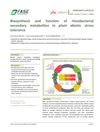
 This study observed that rhizobacterial strain RT3 significantly improved drought tolerance in lettuce by increasing survival rates and fresh biomass after rewatering, with metabolites such as proline and glycine enhancing stress resilience.
6 citations
,
May 2024 in “Macromolecular Bioscience” This study synthesized a temperature-sensitive hydrogel with strong antibacterial capabilities against S. aureus and E. coli, demonstrated via in vitro and in vivo tests, suggesting potential for antibiotic-free clinical applications when activated by near-infrared light.
 3 citations
,
September 2023 in “Frontiers in immunology”
3 citations
,
September 2023 in “Frontiers in immunology” This study discusses the epithelial-immune microenvironment in chronic skin diseases, such as psoriasis and atopic dermatitis, and highlights current and future treatment strategies targeting inflammatory loops within these diseases.
6 citations
,
June 1976 in “Journal of ultrastructure research” This study identified the presence of recognizable organelles, such as lysosomes and mitochondria, in both the keratinized fiber and the hardened inner root sheath of the Romney wool follicle.
2 citations
,
October 2022 in “Electrochem” This review explores the applications of phytonutrient-based biosensors in micro-electrochemical systems and reports no new experimental findings, emphasizing the potential and challenges of this innovative approach.
11 citations
,
January 1996 in “PubMed” This study observed that Nod factor stimulation in alfalfa roots leads to dynamic changes in the cytoskeleton and endoplasmic reticulum, suggesting a mechanism for root hair growth changes.
25 citations
,
May 2016 in “Molecular biology of the cell” This study found that the AtSfh1 protein in Arabidopsis is essential for phosphatidylinositol-4,5-bisphosphate signaling crucial to polarized root hair growth, utilizing both phosphatidylinositol and phosphatidylcholine-binding activities.
7 citations
,
September 2024 in “PLANT PHYSIOLOGY” This study in Arabidopsis thaliana found that exposure to volatile compounds from Penicillium aurantiogriseum promotes root hair growth through signaling involving RALF22, ethylene, auxin, and photosynthesis, and that RALF22 plays a crucial role in the plants' response to these compounds.
March 2008 in “Faculty Opinions – Post-Publication Peer Review of the Biomedical Literature” This study found that a positive feedback loop involving RHD2, reactive oxygen species, and calcium ions helps maintain root hair growth sites and influences cell shape in Arabidopsis thaliana.
 January 2023 in “Discovery immunology”
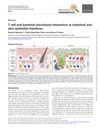
 T cells and bacteria in the gut and skin help maintain health and protect against disease.
2 citations
,
January 2006 in “中国农业科学:英文版” 
In this study using a mouse model, researchers utilized single-cell RNA sequencing to create a comprehensive cellular atlas of infected versus uninfected wounds, revealing that Enterococcus faecalis infections lead to immunosuppressive changes in skin cells and disrupt normal wound healing processes.
109 citations
,
January 1997 in “Journal of Experimental Botany” This paper discusses the cellular and molecular processes involved in root hair growth in higher plants, focusing on cytological phenomena and the effects of growth regulators and mutations, but reports no new experimental findings.
September 2025 in “Animals” In this study, dermatophytosis was prevalent among 52% of dogs and 70% of cats with skin lesions, with younger animals facing higher infection risks; combined itraconazole, clotrimazole, supportive care, and vaccination led to the fastest recovery.
26 citations
,
January 1964 in “Experimental Cell Research”  2 citations
,
January 2019 in “Indian Journal of Pharmaceutical Sciences”
2 citations
,
January 2019 in “Indian Journal of Pharmaceutical Sciences” This study found that higher doses of zinc increased cell growth but also induced cell death in human follicle dermal papilla cells, suggesting a narrow dosage range may affect hair regrowth.
 1 citations
,
January 2017 in “Indian Journal of Pharmaceutical Sciences”
1 citations
,
January 2017 in “Indian Journal of Pharmaceutical Sciences” This study found that women with polycystic ovary syndrome in South India had higher body mass index, waist/hip ratio, and elevated levels of several hormones compared to controls, and waist/hip ratio may be a better risk indicator than body mass index.