October 2025 in “Coloration Technology” In this study, a new delipidisation method that removes over 97% of key lipids from wool rapidly and without yellowing was reported to improve wool processing and printing quality.
20 citations
,
September 2022 in “Journal of Biomedical Optics” This article reviews the potential of using PBM in 3D tissue engineering to improve cell viability under stress conditions but reports no new experimental findings.
 May 2024 in “Journal of colloid and interface science”
 This study developed a bilayer bionic skin scaffold that mimics the skin's structure to resist microbial invasion and enhance wound healing, with in vivo animal studies showing improved collagen deposition, neovascularization, and hair follicle formation.
 September 2013 in “Molecular Biology”
 This study found that Satura Rosta Balm exerts a cytotoxic effect under oxidative stress and may trigger regeneration through autophagic pathways, despite not promoting proliferation or stress resistance in human cells.
2 citations
,
January 2017 in “Clinical approaches and procedures in cosmetic dermatology” This article outlines the importance for healthcare providers to understand skin histology and physiology before performing cosmetic procedures aimed at facial rejuvenation, categorized into four approaches: resurfacing, redraping, relaxing, and replacement/recontouring.
In this study, hair composted with various organic materials, and inoculated with Bacillus subtilis, showed improved degradation and nutrient release, but temperatures below 33℃ limited composting efficiency, suggesting bacterial augmentation could aid sustainable management of keratin-rich waste.
October 2014 in “Microscopy” This study found that using ionic liquid for specimen preparation allowed for observation of dermal papilla cells and their cilia in near-living conditions, reducing damage typically caused by conventional preparation methods.
 January 2024 in “Wiadomości Lekarskie”
 This research discusses the author's findings on methods for harvesting and preparing fat tissue for transplantation, highlighting rare but serious complications reported in animal studies and the use of conditioning devices.
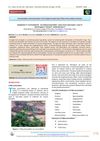 April 2023 in “International journal of pharmaceutical sciences review and research”
 This study concluded that an Emulgel formulation containing Tridax procumbens extract showed promising wound healing and antimicrobial activity, with improved physical properties in the F2 formulation.
1 citations
,
May 2024 in “International journal of medicine and psychology.” In this study, researchers found that using electromagnetic radiation in the EHF range enhanced the engraftment of skin flaps in rats by improving microcirculation and reducing necrosis, with greater effects observed when paired with systemic ozone therapy.
March 2026 in “ACS Omega” This study reported that a novel hydrogel wound dressing, created using a Brachybotrys paridiformis polysaccharide derivative and chitosan, significantly accelerated wound healing and tissue regeneration in vivo, showing nearly complete healing by day 15 compared to controls.
December 2024 in “Macromolecular Bioscience” This study reports that a novel UV-based crosslinking process for collagen sponges significantly decreases crosslinking time compared to traditional methods, and supports effective cell proliferation and wound regeneration in a mouse model, without causing abnormal angiogenic or immune responses.
4 citations
,
January 2006 in “International Journal of Cosmetic Science” This study found that scanning electron microscopy with argon sputter etching visualizes hair lipids at the cell membrane complex as distinctive convex structures, shedding light on their role and localization in human hair.
7 citations
,
January 2025 in “ACS Applied Materials & Interfaces” This study developed a zinc-infused egg white and GelMA hydrogel that enhanced cellular processes crucial for wound healing, including fibroblast proliferation and collagen expression, and demonstrated promising biocompatibility and bioactivity in vivo, suggesting potential effectiveness in repairing damaged tissues.
10 citations
,
January 2015 in “PubMed” May 2023 in “Zenodo (CERN European Organization for Nuclear Research)” This dissertation discusses the use of cryopreserved placenta in treating jaw and facial phlegmon without reporting new clinical findings; it is scheduled for defense at Poltava State Medical University.
December 2025 in “Veterinary Sciences” This study suggests that ozone bagging therapy may effectively enhance the healing of chronic distal limb wounds in horses, achieving full wound closure with minimal complications.
 April 2016 in “Journal of The American Academy of Dermatology”
 A child on life support experienced rapid hair loss due to severe illness affecting hair growth.
1 citations
,
January 2008 in “Massey Research Online (Massey University)” This study found that enzyme depilation of lambskins can cause damage due to the removal of collagen VI, suggesting the need for a protease that avoids this interaction for successful application.
 December 2022 in “Proceeding Bengkulu International Conference on Health”
 This study concluded that a 5% concentration of celery extract in hair gel provided the best preparation characteristics, including standard parameters for organoleptic properties and spreadability.

This study demonstrated that cryogelation of human hair keratin allows the development of 3D scaffolds with tunable properties, supporting cell adhesion and proliferation for potential biomedical applications.
 December 1994 in “The American Journal of Cosmetic Surgery”
 This article reviews the current basic science of angiosome theory and flap delay, applying this knowledge to modern scalp flap procedures, without reporting any new clinical findings.
235 citations
,
July 1999 in “Journal of biological chemistry/The Journal of biological chemistry” This study establishes a catalog of human type I hair keratins and identifies their specific roles and expression patterns during hair differentiation and growth in scalp follicles.
25 citations
,
March 2024 in “Sustainability” This paper discusses strategies for creating sustainable cosmetic emulsions, highlighting the use of food waste, fermentation processes, and low-energy emulsification methods to minimize carbon footprint while preserving the bioactive properties of raw materials.
23 citations
,
July 2003 in “Journal of Investigative Dermatology” Genetic testing for hairless gene mutations is crucial to correctly diagnose and treat atrichia with papular lesions.
 10 citations
,
January 2020 in “International Journal of Women's Dermatology”
10 citations
,
January 2020 in “International Journal of Women's Dermatology” This article provides perspectives on academic dermatology mentorship, focusing on enhancing the mentor-mentee relationship, but reports no new empirical results.
 2 citations
,
February 2023 in “BJUI”
2 citations
,
February 2023 in “BJUI” This study found that utilizing a clinical pharmacist in perioperative urological services reduced surgical cancellations and resident overtime while improving service efficiency and financial sustainability.
 May 2026 in “ACTA SCIENTIAE VETERINARIAE”
 This study reports a case of hepatogenic photosensitization in a 22-day-old lactating Tabapuã calf, induced by toxins ingested via breast milk from a mother fed Brachiaria decumbens pasture; treatment including pasture removal and medicinal intervention led to symptom remission.
 November 2023 in “Australasian journal of dermatology”
 This review highlights the dermatological needs of transgender and gender diverse individuals in Australia, emphasizing the role of dermatologists in managing skin and hair conditions related to gender affirmation and hormone therapy.
 11 citations
,
July 2022 in “Journal of Materials Science: Materials in Medicine”
11 citations
,
July 2022 in “Journal of Materials Science: Materials in Medicine” This study found that an optimized hydrogel combined with human umbilical cord-mesenchymal stem cells accelerated wound healing in diabetic mice by improving cell adhesion and reducing inflammation.