November 2025 in “ACS Omega” This study found that compounds from *Tectona grandis* leaves showed moderate inhibition of steroid 5α-reductase, a factor in androgenetic alopecia, and exhibited anti-inflammatory properties by inhibiting nitric oxide and pro-inflammatory cytokines IL-1β and IL-6 in vitro, suggesting potential dual-action benefits for AGA management.
 4 citations
,
August 2018 in “International Journal of Current Microbiology and Applied Sciences”
4 citations
,
August 2018 in “International Journal of Current Microbiology and Applied Sciences” This study identified various phytochemicals and compounds in Eclipta prostrata leaves using qualitative tests, FTIR, and GC-MS analysis, highlighting the presence of phytol and squalene among others.
 August 2023 in “International Journal of Cosmetic Science”
 Rosemary extracts, specifically compounds like rosmarinic acid and carnosic acid, can protect hair from UV damage.
 21 citations
,
January 2010 in “JOURNAL OF HEALTH SCIENCE”
21 citations
,
January 2010 in “JOURNAL OF HEALTH SCIENCE” This study found that abietic acid from pine resin more effectively inhibits testosterone 5α-reductase than several plant extracts, suggesting potential for treating androgen-dependent diseases.
 February 2023 in “Journal of plant science and phytopathology”
 This review discusses the phytochemical and pharmacological properties of Jatropha dioica, highlighting its potential uses in traditional medicine and the need for more scientific validation of its effects.
 6 citations
,
May 2022 in “Research and reports in urology”
6 citations
,
May 2022 in “Research and reports in urology” This study found that Caesalpinia bonduc seed extracts significantly reduced prostate weight and improved prostate tissue morphology in Wistar rats with testosterone-induced benign prostatic hyperplasia.
August 2023 in “Apple Academic Press eBooks” This study highlights the medicinal applications of the plant Hedychium spicatum, noting its use in traditional medicine for various ailments and its extracts' bioactive properties, such as anticancer, antibacterial, and hepatoprotective effects.
6 citations
,
April 2019 in “Pesquisa Veterinária Brasileira” This article reviews the potential risks of various phytotoxins in milk for animals and humans, discussing the need for awareness and further research but providing no new findings.
July 2023 in “LA Referencia (Red Federada de Repositorios Institucionales de Publicaciones Científicas)” This study evaluated the resin oil of Copaifera officinalis L., identifying 64 compounds and developing validated analytical methods for quality control, and formulated a stable pharmaceutical foam, laying groundwork for potential clinical applications of copaiba oil.
 9 citations
,
July 2021 in “Journal of Natural Medicines”
9 citations
,
July 2021 in “Journal of Natural Medicines” This review summarizes research finding over 150 new molecules with various biological activities from traditional herbal medicines studied in China, Mongolia, Uzbekistan, and Bangladesh.
 10 citations
,
August 2024 in “Clinical Cosmetic and Investigational Dermatology”
10 citations
,
August 2024 in “Clinical Cosmetic and Investigational Dermatology” This review reports that natural compounds show promise in slowing skin photoaging by targeting cellular pathways in keratinocytes and fibroblasts. However, comprehensive clinical studies are needed to verify their efficacy and safety.
 47 citations
,
March 2018 in “Journal of Pharmaceutical and Biomedical Analysis”
47 citations
,
March 2018 in “Journal of Pharmaceutical and Biomedical Analysis” This study identified 43 compounds in Platycladi Cacumen, including flavonoids, and found significant chemical variation in flavonoid content across different regions and processed products.
 February 2024 in “Trends in Sciences”
 This study examined the stability of two 5α-reductase inhibitors in Tectona grandis extracts, finding that they are more stable in acidic environments and degrade rapidly under heat and light unless protected, suggesting the need for careful storage when developing anti-hair loss medications.
 July 2026 in “Discover Food”
 This review critically examines scientific evidence on the health benefits of rosemary bioactives, finding potential in managing age-related diseases and skin aging conditions, and discusses their application in functional foods and aromatherapy, along with associated safety concerns.
70 citations
,
May 2023 in “Molecules” This source reviews recent research on Ginkgo biloba, highlighting its medicinal benefits due to compounds in the leaves and concerns over toxic alkylphenols in seeds. It also discusses patents for its food production uses and ongoing studies on toxicity and drug interactions.
 24 citations
,
January 2014 in “The American Journal of Chinese Medicine”
24 citations
,
January 2014 in “The American Journal of Chinese Medicine” This review compiles data on Platycladus orientalis leaves, noting their diverse pharmacological activities and advocating for more research to clarify their traditional blood-cooling and hematostatic uses.
 15 citations
,
April 2022 in “Biointerface Research in Applied Chemistry”
15 citations
,
April 2022 in “Biointerface Research in Applied Chemistry” This review presents current evidence on medicinal plants and their phytoconstituents, such as phenolic compounds, used in acne treatment, highlighting their potential as alternatives to conventional therapies due to issues like antibiotic resistance and high cost.
 January 2025 in “Journal of Pharmacognosy and Phytochemistry”
 This review highlights the potential of marine-derived nutraceuticals for treating skin and hair disorders, focusing on Viviscal, a supplement shown to be safe and effective in enhancing hair growth by improving cellular function and strengthening hair.
 January 2020 in “Elsevier eBooks”
 This chapter provides an overview of phytochemicals with properties to combat alopecia and discusses the potential of flavonoids, found in several herbs, as a safer alternative to synthetic hair loss treatments due to their long-term skin compatibility.
8 citations
,
November 2023 in “Frontiers in Bioengineering and Biotechnology” This article reviews recent developments in microneedles combining metallic elements and herbal compounds for wound healing, highlighting their benefits such as enhanced therapeutic efficacy and reduced toxicity, and offering a reference for future advancements in this technology.
This study evaluated the efficacy of polyphenolic compounds for hair growth in adults with non-scarring alopecia and found that these interventions significantly improved hair density and total area hair count compared to controls, although results were not significantly different from minoxidil.
 July 2024 in “Annals of Phytomedicine An International Journal”
 In this study, the authors reviewed various herbal ingredients used in hair care products and found that components like aloe vera, hibiscus, amla, and fenugreek have traditional and scientifically validated benefits for addressing hair issues such as hair loss, dandruff, and damage.
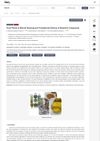
This review highlights the potential of plant-derived natural compounds as biocompatible and biodegradable materials in dermal and transdermal delivery systems, emphasizing their unexplored benefits and detailing recent advances in isolation techniques and drug delivery technologies.

This study found that lateral root formation in plants in response to L. bicolor volatiles involves complex signaling processes, potentially including unknown proteins, CRKs, and ABA pathways.
 20 citations
,
February 2002 in “Expert Opinion on Therapeutic Patents”
20 citations
,
February 2002 in “Expert Opinion on Therapeutic Patents” This review discusses the potential uses of 5α-reductase inhibitors for conditions ranging from benign prostatic hyperplasia to skin disorders like acne and male pattern baldness, but it reports no new clinical results.
 May 2025 in “Antioxidants”
 This review highlights how natural products with antioxidant properties can modulate the Wnt signaling pathway, potentially influencing various pathological conditions such as cancer, stroke, and regenerative medicine. It also addresses controversies in the compounds' mechanisms across different models and suggests research directions for future studies.
November 2023 in “Plants” This study evaluated compounds from Jatropha cordata bark, finding that a sterol mixture and n-heptyl ferulate demonstrated notable anti-inflammatory activity in murine macrophage cells without toxicity, suggesting potential for treating chronic inflammation.
 January 2017 in “Bulletin of Pharmaceutical Research”
 This study developed chemical fingerprints to differentiate Eclipta prostrata and Wedelia calendulacea, two plants often confused and adulterated in the Indian herbal market, identifying distinct chemical profiles that can prevent such adulteration.
 21 citations
,
June 2022 in “Molecules”
21 citations
,
June 2022 in “Molecules” This review discusses the phytochemistry and pharmacological activities of Perilla frutescens, detailing its bioactive compounds and their potential health benefits, but reports no new clinical results.
 9 citations
,
November 2022 in “Applied sciences”
9 citations
,
November 2022 in “Applied sciences” This review explores marine algae-derived phenolic compounds and their potential cosmeceutical benefits, but reports no new clinical results.