 12 citations
,
August 2019 in “Dermatitis”
12 citations
,
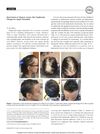
August 2019 in “Dermatitis” This case report describes a 42-year-old woman with atopic dermatitis, whose alopecia areata reactivated rapidly after starting dupilumab, possibly indicating an unrecognized adverse effect in AD patients.
February 2025 in “Skin Appendage Disorders” This review discusses the dermatologic side effects and potential therapeutic benefits of GLP-1 receptor agonists, such as facial fat loss and wound healing, emphasizing the need for further research.
 November 2023 in “Journal of medical and health studies”
 In this study, combining low-level laser therapy with microneedling showed statistically significant improvement in hair growth for three adult patients with androgenetic alopecia over three months, suggesting it may be a promising management approach.
 25 citations
,
April 2015 in “Journal of Investigative Dermatology”
25 citations
,
April 2015 in “Journal of Investigative Dermatology” This study found that Gsdma3 mutation in mice allows hair follicles to bypass a typical telogen phase and directly enter the anagen phase, suggesting Gsdma3's role in hair cycle transitions by regulating Wnt signaling.
7 citations
,
July 2016 in “Journal of Biomedical Materials Research Part A” This study found that a novel hydrogel scaffold, cGEL, significantly increased melanin production and melanotic gene expression in human melanocytes compared to other graft materials, suggesting its potential as a superior carrier for skin grafting.
1 citations
,
April 2016 in “Journal of Investigative Dermatology” This study suggests that NKG2D+ Vδ1 T cells may contribute to hair follicle pathology in alopecia areata by recognizing stressed keratinocytes and inducing immune privilege collapse.
 April 2026 in “Zenodo (CERN European Organization for Nuclear Research)”
 In this study, Dodatek A operationalizes the Functional Androgen Axis framework by defining three system-level indices and an efficiency metric to describe androgen function, incorporating key methodological improvements and acknowledging significant limitations for future empirical validation.
June 2026 in “Skin Appendage Disorders” This meta-analysis found that GLP-1 receptor agonists are associated with a 40% increased risk of non-scarring alopecia, likely due to weight loss-induced micronutrient deficiency, with significant associations for telogen effluvium and androgenetic alopecia. However, some patients with central centrifugal cicatricial alopecia showed improvement.
This study explored the structure and function of lipocalin prostaglandin D synthase, revealing its dual role in substrate catalysis and as a lipophilic ligand carrier, potentially informing future drug delivery design.
36 citations
,
July 2007 in “Journal of Investigative Dermatology” This study observed a strong negative association between the HLA-DQB1*0201 allele and the alopecia totalis/alopecia universalis phenotype in Caucasian individuals, indicating a potential protective role.
This study found that androgenetic alopecia in men was significantly associated with dyslipidemia, particularly in more severe cases, suggesting it could be a marker for systemic illness.
1 citations
,
January 2021 in “Journal of Cutaneous and Aesthetic Surgery” This review indicates that low-level laser therapy may stimulate hair growth in both men and women with androgenetic alopecia, showing similar efficacy to minoxidil in some studies, but requires more robust evidence.
 July 2019 in “Journal of Investigative Dermatology”
 This article previews a Journal of Investigative Dermatology quiz on diagnosing male androgenetic alopecia and offers no new research results.
 May 2026 in “Scientific Reports”
 In this study, researchers overexpressed Lrig3 in mouse skin and observed hair loss linked to changes in skin protein profiles and signaling pathways, suggesting a potential role for Lrig3 in maintaining skin homeostasis.
June 2024 in “British Journal of Dermatology” This study reported that while both DLQI and HADS showed moderate correlations, only DLQI correlated with clinician-assessed disease severity in patients with alopecia.
 106 citations
,
October 2016 in “Cell Stem Cell”
106 citations
,
October 2016 in “Cell Stem Cell” This study found that PDGFA is critical for the proliferation and maintenance of adipocyte stem cells in skin but not other white adipose tissues, highlighting unique regulatory mechanisms in different tissue depots.
13 citations
,
March 2012 in “The American Journal of Surgery” This study found that modified laparoscopic sleeve gastrectomy in patients with type 2 diabetes and obesity reduced ghrelin levels, improved glycemic and insulin levels, and resulted in significant weight loss.
 October 2025 in “Asian Journal of Oral Health and Allied Sciences”
 In this case report, a 28-year-old male with androgenetic alopecia showed improved hair density and shaft thickness after four monthly sessions of autologous growth factor concentrate injections, with no adverse effects and high patient satisfaction, suggesting the treatment’s promise as a safe and effective option.
 14 citations
,
June 2021 in “British journal of dermatology/British journal of dermatology, Supplement”
14 citations
,
June 2021 in “British journal of dermatology/British journal of dermatology, Supplement” This paper presents consensus guidelines for standardized diagnostic criteria and assessment methods for frontal fibrosing alopecia to improve clinical research and data collection globally.
 January 1989 in “Journal of The American Academy of Dermatology”
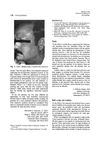
 Dr. Hanke acknowledges the success of CO₂ laser for less severe blast tattoos and suggests dermabrasion for more extensive injuries, while also discussing dermatology's media presence and issues with minoxidil research.
 July 2023 in “Developmental medicine and child neurology/Developmental medicine & child neurology”
 This study found that patients with Bachmann-Bupp syndrome treated with DFMO showed improvements in hair growth, muscle tone, and development.
 24 citations
,
May 2017 in “Journal of Cosmetic and Laser Therapy”
24 citations
,
May 2017 in “Journal of Cosmetic and Laser Therapy” This study reported that a new laser scanner using 655 nm red and 808 nm infrared lasers significantly improved hair density in patients with androgenic alopecia compared to both a laser hat and no treatment, without observable adverse effects.

This study found that an ethanolic extract of Ganoderma lucidum, especially at 15mg/kg, may promote hair growth in a rat model of testosterone-induced alopecia, showing effects comparable to minoxidil.
4 citations
,
September 2025 in “Biomolecules” This narrative review discusses the mixed and evolving evidence regarding glucagon-like peptide-1 receptor agonists (GLP-1 RAs) and their influence on erectile dysfunction in men with type 2 diabetes and obesity, highlighting potential benefits and concerns yet to be clarified.
2 citations
,
June 2013 in “Journal of Clinical Pathology” This article reviews the role of LMNA gene mutations, particularly in Hutchinson–Gilford progeria syndrome, but does not report new experimental findings.
February 2025 in “Universidade Nova de Lisboa's Repository (Universidade Nova de Lisboa)” This research discusses various collaborative and funding efforts across multiple institutions but does not present new experimental findings.
 10 citations
,
June 2018 in “Journal of visualized experiments”
10 citations
,
June 2018 in “Journal of visualized experiments” This study demonstrated that lactate dehydrogenase activity is notably high in quiescent hair follicle stem cells within mouse skin using a specific enzymatic activity assay.
 February 2025 in “Lasers in Medical Science”
 This review discusses low-level laser therapy and fractional laser therapies as alternative treatments for androgenetic alopecia, but reports limited evidence of their efficacy due to small sample sizes and potential study biases.
 4 citations
,
May 2021 in “Lasers in Surgery and Medicine”
4 citations
,
May 2021 in “Lasers in Surgery and Medicine” This study observed that adding low-level light therapy with the GentleWaves® device to Minoxidil significantly boosted hair regrowth in men with androgenetic alopecia by reducing scalp inflammation.