1 citations
,
July 2023 in “Clinical Cosmetic and Investigational Dermatology” In this report, a 54-year-old woman with familial dyskeratotic comedones showed slight improvement in skin lesions after topical retinoids and urea cream. This source also describes the first dermoscopic findings for this condition and reviews 21 previous cases.
 17 citations
,
August 1979 in “Journal of The American Academy of Dermatology”
17 citations
,
August 1979 in “Journal of The American Academy of Dermatology” This study found that a histochemical stain using 4-dimethyl-aminocinnamaldehyde effectively distinguishes between plucked anagen and telogen hairs by causing the root ends of anagen hairs to develop a red color.
3 citations
,
May 2007 in “Journal of Heterocyclic Chemistry” This study reports a new industrial process for making finasteride using novel protective groups, demonstrated through spectral data of newly prepared compounds.
5 citations
,
June 2008 in “British Journal of Dermatology” 87 citations
,
April 1973 in “Endocrinology” This study found that in hamster flank organs, 17βC inhibited enlargement caused by topical testosterone but not by DHT, suggesting potential use in androgen-related skin disorders like acne.
 March 2014 in “Journal of The American Academy of Dermatology”
 Cortexolone 17a-propionate may be an effective new treatment for hair loss.
46 citations
,
November 2019 in “Journal of Integrative Plant Biology” This study found that calmodulin 7 (CaM7) inhibits the calcium channel CNGC14 in root hairs, affecting their polar growth by controlling calcium signaling.
 April 2019 in “The journal of investigative dermatology/Journal of investigative dermatology”
 In this study, the researchers observed significant metabolic dysregulation in central centrifugal cicatricial alopecia, particularly involving lipid metabolism and the downregulation of AMPK-related genes.
 August 1946 in “Journal of the American Medical Association”
 This document discusses website navigation and access options for JAMA without presenting any new research findings.
16 citations
,
June 2015 in “The journal of investigative dermatology/Journal of investigative dermatology” This study found that DHHC13 is crucial for hair anchoring and skin barrier function, with its deficiency in Zdhhc13(skc4) mice leading to cyclic alopecia and skin abnormalities due to cornifelin deficiencies.
 March 2005 in “Journal of The American Academy of Dermatology”
 Diphencyprone treatment protocols could be simplified as no harm occurred despite not fully following them.
1 citations
,
April 2023 in “International journal of molecular sciences” In this study, AMACO was found to be non-essential for the formation or function of anchoring cords in mice, despite its presence in the structure.
4 citations
,
October 2023 in “Journal of Medicine and Life” In this study, UDCA treatment reduced inflammation, oxidative stress, and cartilage damage in rats with experimentally induced rheumatoid arthritis, suggesting potential anti-rheumatoid arthritis properties.
4 citations
,
November 2020 in “Acta Dermato Venereologica” In this study, patients with specific skin and scalp conditions, including eczematous lesions, showed significant improvement after two weeks of oral tofacitinib treatment, as evidenced by changes in the trunk lesions.
This study found that Compound Diandao Pulvis Drug Facial Mask improved some signs of acne in a rabbit ear model, but its effects were not significantly different from tretinoin cream.
August 2024 in “Proceeding Cendekia International Conference Health and Technology” In this quasi-experimental study, researchers explored the optimal formulation of a nanoemulsion containing candlenut ethanol extract, finding that specific combinations of tween 80, span 80, and sonication time affected its physical properties and stability, although further activity testing is needed.
 1 citations
,
November 2022 in “Journal of the Endocrine Society”
1 citations
,
November 2022 in “Journal of the Endocrine Society” This study found that US adults with classic congenital adrenal hyperplasia most preferred a hypothetical adjunctive therapy that prevents glucocorticoid-induced weight gain over other potential benefits.
28 citations
,
September 2014 in “Journal of Veterinary Internal Medicine” This study found that the novel drug VDC-1101 showed a 45% objective response rate in treating canine cutaneous T-cell lymphoma, offering a potential treatment option for this challenging disease.
3 citations
,
December 2013 in “Balkan Journal of Medical Genetics” This case report highlights the use of microarray analysis to identify cryptic chromosomal rearrangements in a young woman with intellectual disability and multiple congenital anomalies.
23 citations
,
January 2017 in “BMC Medical Genetics” This study presents the first reported Spanish case of Hypotrichosis with Juvenile Macular Dystrophy, identifying a new CDH3 mutation and highlighting the importance of clinical and genetic evaluation for accurate diagnosis.
 25 citations
,
July 2020 in “Journal of cosmetic dermatology”
25 citations
,
July 2020 in “Journal of cosmetic dermatology” In this study, the authors reported that while deoxycholic acid effectively reduces submental fat, it can cause adverse effects such as edema, numbness, and skin necrosis, making knowledge of possible complications essential for clinicians.
188 citations
,
October 2014 in “Thyroid” This study found that dabrafenib was well tolerated and led to durable responses in patients with BRAF-mutant differentiated thyroid carcinoma, with a median progression-free survival of 11.3 months.
1 citations
,
November 2023 in “Journal of Investigative Dermatology” Farudodstat may effectively treat alopecia areata without harming hair follicles.
 2 citations
,
July 2019 in “PLOS ONE”
2 citations
,
July 2019 in “PLOS ONE” This study found that the CYP3A4 rs4646437 genotype was significantly associated with ALT elevation in Japanese patients undergoing asunaprevir plus daclatasvir therapy for chronic HCV infection, suggesting genotyping may help in monitoring patients safely.
19 citations
,
September 2013 in “Psychoneuroendocrinology” Blocking CYP17A1 enzyme may help improve certain brain function issues related to dopamine.
 May 2025 in “Journal of Inflammation Research”
 In this case report, a 28-year-old Chinese man with severe dissecting cellulitis of the scalp experienced nodules resolution and hair regrowth after treatment with ixekizumab and tofacitinib, marking the first reported use of this drug combination for the condition.
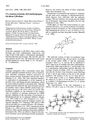 December 1998 in “Acta Crystallographica Section C-crystal Structure Communications”
 This study describes the molecular conformation and intermolecular interactions in the crystalline structure of the compound C24H31BrO4.
June 2020 in “The journal of investigative dermatology/Journal of investigative dermatology” In this study, mice fed various high-fat diets showed changes in dermal white adipose tissue lipid composition, with decreases in essential omega-3 fatty acids, which are important for skin health.
 February 2024 in “Skin research and technology”
 The researchers in this study identified molecular mechanisms involved in frontal fibrosis alopecia, highlighting immune response and fatty acid metabolism, and developed a four-gene diagnostic model showing high accuracy in distinguishing affected individuals from controls.
June 2020 in “Zenodo (CERN European Organization for Nuclear Research)” This study suggests that the DNMT3B -579 G>T polymorphism may be a genetic risk factor for colorectal cancer in the Azerbaijani population.