3 citations
,
February 1983 in “Journal of Investigative Dermatology” This study found that plucking hair from rats' dorsal skin rapidly decreased ornithine decarboxylase activity, possibly due to an inhibitory substance that was activated by ammonium sulfate treatment.

This case study from Morocco reports the country's first suspected instance of Tinea capitis caused by Trichophyton tonsurans, identified in a 25-year-old member of the national judo team, highlighting the need for screening and improved hygiene in sports environments to prevent potential outbreaks.
 49 citations
,
June 2019 in “eLife”
49 citations
,
June 2019 in “eLife” This study reported the discovery of large-scale haplotypes (cenhaps) in human centromere regions, revealing deep genetic diversity, including introgressed Neanderthal and ancient African lineages.
 82 citations
,
January 2000 in “Hormone Research in Paediatrics”
82 citations
,
January 2000 in “Hormone Research in Paediatrics” This study describes the enzymatic processes through which DHEA is converted to active sex steroids in human skin, highlighting an androgenic effect on sebaceous glands and estrogenic effects in the vagina.
40 citations
,
February 1994 in “Journal of Investigative Dermatology”  December 2024 in “Problems of Biological Medical and Pharmaceutical Chemistry”
 This study examined the hair ionomic profiles of first-year RUDN University students and found distinct elemental differences between those from the Moscow region and the Middle East, suggesting these profiles may reflect the geographical and climatic conditions of their previous environments.
 July 2020 in “bioRxiv (Cold Spring Harbor Laboratory)”
 This study reports that structural and biochemical analysis of steroid 5α-reductases clarifies how they mediate steroid reduction with NADPH, potentially aiding in designing targeted therapies.
June 2026 in “ChemistryOpen” In this study, researchers employed a modified coaxial electrospinning technique to create core-sheath nanofibers, which improved the transdermal delivery of finasteride compared to traditional monolithic nanofibers, showing enhanced penetration rates throughout the testing period.
7 citations
,
December 1971 in “Calcified Tissue Research” Hair follicles in injured skin can quickly accumulate minerals, especially calcium and phosphorus.
February 2018 in “bioRxiv (Cold Spring Harbor Laboratory)” This study found that distinct spiny hair morphologies in rodents arose independently multiple times but did not link the Ecdysoplasin A receptor gene mutation that affects human hair to these variations.
June 2025 in “British Journal of Dermatology” This case series highlighted three pediatric patients with congenital nail anomalies, revealing underlying developmental or genetic issues such as symbrachydactyly and potential Adams–Oliver syndrome, underscoring the critical role of dermatologists in early detection and diagnosis of these conditions.
 September 2023 in “Mağallaẗ baġdād li-l-ʿulūm”
 This study found diverse and distinct microbial communities in dry and wet habitats of Duku plants, with varying relative abundances linked to plant health and soil nutrient interactions.
 May 2023 in “Journal of the Dermatology Nurses' Association”
 This editorial discusses the experiences and highlights of the Dermatology Nurses' Association's annual convention, including educational sessions about skin conditions and nursing strategies, and emphasizes the importance of continuing education and involvement in health policy and advocacy for dermatology nursing professionals.
 August 2025 in “ChemPhotoChem”
 This study demonstrated that CD anisotropy effectively distinguishes between two polymorphs of finasteride with nearly identical electronic circular dichroism spectra, using imaging and simulated spectra to uncover unique signatures that traditional methods miss.
4 citations
,
September 1993 in “Steroids” This paper details a method for measuring testosterone metabolism into seven androgens using digital autoradiography, which offers high sensitivity and reduces the need for radioactive materials.
November 2025 in “Journal of Investigative Dermatology” TEDAR is crucial for skin cell differentiation and barrier formation.
July 2026 in “bioRxiv (Cold Spring Harbor Laboratory)” In this study, researchers observed that TCDD exposure in mice enhanced sebaceous gland differentiation and lipid production before causing seboatrophy, providing insights into the cellular events that may contribute to chloracne pathogenesis.
 November 2019 in “Australasian Journal of Dermatology”
 This article provides issue information for the Australasian Journal of Dermatology Volume 60, Issue 4, but reports no new research findings.
67 citations
,
September 2001 in “American Journal Of Pathology” This study found that overexpression of the enzyme ornithine decarboxylase in transgenic mice led to UVB-induced skin tumors, but this was prevented by the ODC inhibitor α-difluoromethylornithine.
 1 citations
,
January 2009 in “X-ray Structure Analysis Online”
1 citations
,
January 2009 in “X-ray Structure Analysis Online” A new compound was made that might help treat diseases related to male hormones.
1 citations
,
August 1985 in “Proceedings annual meeting Electron Microscopy Society of America” This study discusses using SEM/EDX for elemental analysis of hair samples in forensic science but notes challenges in detecting certain trace elements from raw hair.
 13 citations
,
August 2007 in “Bioorganic & medicinal chemistry letters”
13 citations
,
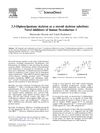
August 2007 in “Bioorganic & medicinal chemistry letters” This study developed a new competitive 5alpha-reductase inhibitor with an IC(50) of 0.84 microM using a novel chemical structure.
7 citations
,
February 2024 in “The Journal of Physiology” This study suggests that male sex and androgenic steroid use increase the risk of atrial arrhythmias in individuals with arrhythmogenic right ventricular cardiomyopathy, especially those with desmosomal gene mutations.
33 citations
,
January 1979 in “Acta obstetricia et gynecologica Scandinavica” This study found that Diane®, a combination of cyproterone acetate and ethinyl estradiol, is an effective contraceptive and treatment for acne and seborrhea, but less effective for pronounced hair growth.
 80 citations
,
April 2017 in “Frontiers in Pharmacology”
80 citations
,
April 2017 in “Frontiers in Pharmacology” This review examines experimental and clinical evidence on PDRN, a drug derived from salmon DNA that acts via the adenosine A2A receptor and shows promise for tissue repair and treatment of diabetic foot ulcers in regenerative medicine.
 12 citations
,
July 1957 in “Journal of Investigative Dermatology”
12 citations
,
July 1957 in “Journal of Investigative Dermatology” This historical observation found that parathyroid extract treatment in newborn rats led to a condition resembling scleroderma, characterized by skin hardening, calcium deposition, and possible necrosis.
7 citations
,
November 2006 in “Journal of immunological methods” This study found that the novel dot-block method can effectively measure early- and advanced-glycation products in hair, suggesting its potential for monitoring diabetes progression and other chronic conditions.
 April 2024 in “Journal of environmental management”
 This study investigated the electron transfer processes in an iron-mediated DAMO–anammox system, finding that Fe3+ accelerated c-type cytochrome-mediated electron transfer and suggested that riboflavin acts as an electron shuttle and DIET may occur among these microorganisms.
This study purified trichohyalin protein from pig tongue epithelium, characterizing its unique properties and structure, which may facilitate future functional research.
15 citations
,
August 2019 in “F1000Research” This review discusses the physiological roles of anthrax toxin receptors CMG2 and TEM8, highlighting their influence on extracellular matrix homeostasis, angiogenesis, cell migration, and skin elasticity, and reports no new clinical results.