 January 2024 in “Bratislavské lekárske listy/Bratislava medical journal”
 This study examined the vasorelaxant effects of two similar alkaloids, chloroquine and cinchonine, in a model of smooth muscle contractions induced by phenylephrine. Results are not reported in the abstract.
 15 citations
,
May 1966 in “The Journal of Urology”
15 citations
,
May 1966 in “The Journal of Urology” This case report discusses an instance of cystitis caused by the chemotherapy drug Cytoxan, with no new findings reported.
 52 citations
,
October 2004 in “Veterinary dermatology”
52 citations
,
October 2004 in “Veterinary dermatology” This study found that 62% of neutered dogs with hair cycle arrest experienced partial to complete hair re-growth after melatonin treatment, but hair re-growth was not consistently linked to normal sex hormone levels.
5 citations
,
March 2012 in “Veterinary dermatology” This case report describes a potential drug-induced localized scleroderma in a Persian cat following the application of a 'spot-on' treatment.

This case study highlights a 38-year-old woman with lichen planopilaris experiencing gingival hypertrophy linked to high serum cyclosporine levels and relevant dosage, which improved after reducing the cyclosporine dose.
 2 citations
,
March 2023 in “Experimental neurology”
2 citations
,
March 2023 in “Experimental neurology” In this study, pregnenolone was found to dose-dependently reduce L-DOPA-induced dyskinesias in a rat model of Parkinson's disease, suggesting its potential as a therapeutic target for these dyskinesias.
 9 citations
,
November 2012 in “Biomolecules & therapeutics”
9 citations
,
November 2012 in “Biomolecules & therapeutics” This study found that diphlorethohydroxycarmalol significantly increased prostaglandin $E_2$ synthesis in HaCaT human keratinocytes by upregulating COX-1 and COX-2 expression, suggesting potential benefits from elevated $PGE_2$ production.
 March 1998 in “Journal of dermatological science”
 Diphencyprone initially increases mouse hair growth, then slows it, possibly due to changes in specific protein levels.
June 2017 in “DOAJ (DOAJ: Directory of Open Access Journals)” This study found that finasteride's solubility and bioavailability were improved when using a dimethyl-β-cyclodextrin inclusion complex compared to the drug alone.
 4 citations
,
January 1994 in “Journal of hepatology”
4 citations
,
January 1994 in “Journal of hepatology” This study observed that cyclosporine A significantly alters sex hormone levels in both pre- and post-menopausal women with primary biliary cirrhosis.
November 2016 in “The Molecular Biology Society of Japan”  April 2019 in “Journal of Investigative Dermatology”
 This study found that induced COX-2 expression in adult transgenic mice led to hair follicle miniaturization and enlargement of sebaceous glands, and suggests that targeting the PGD2 pathway might reverse these effects.
This study found that men with early-onset androgenic alopecia may be partially resistant to the cardiometabolic benefits of bromocriptine compared to those with normal hair growth.
1 citations
,
December 2024 in “Case Reports in Dermatology” In this case study, the researchers reported a rare incidence of bilateral hyperpigmented macules on a patient's lower legs, possibly due to cyclophosphamide, suggesting that this chemotherapy drug may directly stimulate hair follicles to cause skin discoloration.
May 2026 in “Carbohydrate Polymer Technologies and Applications” This study found that the carbohydrate-based excipient β-cyclodextrin forms a stable inclusion complex with the active ingredient of Minoxicapil®, potentially enhancing its formulation for hair-loss treatment, and in vitro assays suggest improved proliferation of DPC cells, supporting its use in topical treatments.
64 citations
,
December 2003 in “Veterinary Dermatology” This research observed that triamcinolone was more effective at inducing remission in cats with pemphigus foliaceus without significant side effects compared to prednisone or its combination with chlorambucil.
 September 2008 in “UK vet. Companion animal”
 This article updates on the medical management of benign prostatic hyperplasia in companion animals and reports no new clinical findings; the authors discuss existing treatments.
 16 citations
,
August 2004 in “Tetrahedron”
16 citations
,
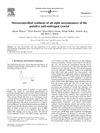
August 2004 in “Tetrahedron” In this study, all stereoisomers of cyoctol were synthesized and tested, revealing that contrary to initial patent claims, cyoctol does not function as an anti-androgen.
17 citations
,
December 1997 in “Transplantation” This report describes two renal transplant patients whose hair loss improved after switching from tacrolimus to cyclosporine, suggesting that cyclosporine might counteract steroid-induced alopecia.
January 2014 in “ACTA SCIENTIAE VETERINARIAE” This case report describes a cat with localized scleroderma (morphea-like) that did not show clinical resolution or spontaneous remission after treatment, differing from previously documented cases.
October 2022 in “The Journal of Clinical Pharmacology” This study found that men with early-onset androgenic alopecia are less responsive to the cardiometabolic effects of bromocriptine compared to men with normal hair growth.
1 citations
,
August 2024 in “Journal of Pharmacy & Pharmaceutical Sciences” This study found that forming inclusion complexes of DPCP with HPβCD using the 3D ground mixture method enhances its anti-inflammatory activity at lower doses compared to complexes with β-CD.
 1 citations
,
October 2024 in “Journal of Nepal Paediatric Society”
1 citations
,
October 2024 in “Journal of Nepal Paediatric Society” In this case report, the authors highlight a 20-month-old girl with nephrotic syndrome who experienced severe alopecia due to an accidental high dose of cyclosporine; her hair regrew after the drug was stopped.
54 citations
,
December 2004 in “PubMed” This study suggests that topical Cyclosporin A formulations, with or without a penetration enhancer, effectively stimulated hair regrowth in a rat model of alopecia areata.
10 citations
,
January 2020 in “Genes & Diseases” In this study, circ-Smad5 was found to inhibit the proliferation and cell cycle progression of JB6 cells by suppressing Wnt/β-catenin/Lef 1 signaling activation, marking the first report of its function.
 43 citations
,
July 1984 in “Clinical and Experimental Dermatology”
43 citations
,
July 1984 in “Clinical and Experimental Dermatology” This study found that women with common baldness treated with cyclical antiandrogen therapy for 52 weeks experienced increased hair density and a higher percentage of hairs in the anagen growth phase.
 8 citations
,
January 2008 in “Annals of Dermatology”
8 citations
,
January 2008 in “Annals of Dermatology” This study concluded that combining systemic cyclosporine A with low-dose corticosteroids effectively treats severe alopecia areata while maintaining safe cyclosporine A levels in the blood.
 January 2008 in “Pratique médicale & chirurgicale de l'animal de compagnie”
 This review discusses the controversial non-inflammatory alopecia known as alopecia X, highlighting its unknown etiology and the variable effectiveness of various proposed treatments, but reports no new results.
 June 2022 in “Veterinary evidence”
 This study reported no evidence that clomipramine reduces overgrooming or improves hair regrowth in cats with psychogenic alopecia compared to untreated cats.