5 citations
,
October 2020 in “Food Science and Technology” This study identified nine fungal genera, including Aspergillus, Penicillium, and Cladosporium, in dry salted shrimp samples from Rio Branco, Acre, highlighting the need for improved hygienic practices in processing to prevent potential public health risks from mycotoxin producers.
January 2024 in “IntechOpen eBooks” This study highlights the various bacterial, fungal, and viral threats to honeybee colonies, such as American Foulbrood and Deformed Wing Virus, and discusses management strategies like Integrated Pest Management and genetic resistance to preserve honeybee populations and their crucial pollination roles.
 1 citations
,
April 2024 in “Science Advances”
1 citations
,
April 2024 in “Science Advances” In this study, researchers found that the female plumage color variations in the common cuckoo are linked to the female-restricted genome and suggest this pattern is maintained by balancing selection, sharing ancestry with the oriental cuckoo.
December 2004 in “Microbial Ecology in Health and Disease” This study found that Pityriasis amiantacea was associated with Staphylococcus aureus infection, especially in young women of Bedouin origin, and responded well to antibiotic and topical treatments.
January 2014 in “ACTA SCIENTIAE VETERINARIAE” This case report describes a cat with localized scleroderma (morphea-like) that did not show clinical resolution or spontaneous remission after treatment, differing from previously documented cases.
July 2021 in “Veterinary record/The veterinary record” This report from SRUC VS highlighted a suspected case of Schmallenberg virus infection in a calf born to an imported heifer, noting consistent clinical signs and seroconversion in the dam.
 January 2005 in “Nihon Yasei Doubutsu Igakkaishi/Japanese journal of zoo and wildlife medicine”
 This study observed that Aloe vera gel applied topically to mange-affected camels led to the rapid disappearance of skin lesions and mites.
 August 2026 in “Dermatology and Therapy”
 In this study, researchers identified elongated corkscrew hairs as a new trichoscopic pattern in immunosuppressed adults with chronic endothrix tinea capitis, which may help in earlier diagnosis and targeted mycological investigation.
26 citations
,
October 2018 in “International journal of osteoarchaeology” This study found evidence of fern consumption in the medieval population of the Balearic Islands by identifying fern sporangium annuli in dental calculus, suggesting potential medicinal usage.
8 citations
,
September 1975 in “Journal of Animal Science” This study found that moose hair can effectively monitor previous mineral states for most elements, except zinc, and mineral uptake differs between male and female moose.
December 2002 in “International Journal of Cosmetic Surgery and Aesthetic Dermatology” This study investigated a potential link between male pattern baldness and Pityrosporum group fungal contamination but found no significant statistical association.
April 2021 in “Journal of Investigative Dermatology”  11 citations
,
January 2014 in “Indian journal of dermatology, venereology, and leprology”
11 citations
,
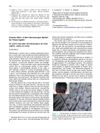
January 2014 in “Indian journal of dermatology, venereology, and leprology” This report describes three cases of white piedra of scalp hair, identifying Trichosporon inkin and Trichosporon mucoides as the fungi responsible, which are uncommon causes of this condition.
12 citations
,
June 2011 in “Journal of Dermatological Case Reports” This case report describes successful treatment of trichomycosis axillaris, a bacterial infection of hair shafts, using shaving and topical antibiotics, resulting in complete odor elimination within weeks.
10 citations
,
October 1981 in “Archives of Dermatology” This case report describes a 36-year-old man with tinea incognito manifesting as asymptomatic, flat patches of alopecia, which did not improve with standard treatments.
1 citations
,
July 2024 in “Indian Journal of Sexually Transmitted Diseases and AIDS” In this study, a 38-year-old male with syphilis-related mixed pattern alopecia showed marked hair regrowth and resolution of postauricular lymphadenopathy after treatment with benzathine penicillin, suggesting that lymph node and hair examinations, along with trichoscopy, can aid in the diagnosis of alopecia syphilitica.
 5 citations
,
November 2012 in “Actas Dermo-Sifiliográficas”
5 citations
,
November 2012 in “Actas Dermo-Sifiliográficas” Comma hairs are a new sign for identifying scalp fungal infections.
January 2025 in “Arquivo Brasileiro de Medicina Veterinária e Zootecnia” In this study, researchers observed that telogen hair was more prevalent than anagen hair in both male and female agoutis over a one-year period in Teresina-PI, regardless of dry or rainy seasons, with no significant differences in dermal follicular volume between the sexes.
 April 2023 in “Clinical theriogenology”
 This report highlights the usefulness of specific diagnostic procedures, including penile/preputial cytology and transabdominal ultrasonography, in diagnosing cryptorchidism and Sertoli cell tumors in dogs with generalized skin conditions.
September 2012 in “The Thai journal of veterinary medicine” In this case study, apitoxin aquapuncture combined with herbal medicine was reported to have a favorable therapeutic effect in treating canine superficial pyoderma.
31 citations
,
November 1965 in “Journal of Mammalogy” This study found that in mink, the pituitary gland is essential for normal seasonal pelage cycles, and manipulating hormone levels can affect hair growth and type.
 14 citations
,
December 2010 in “Journal of human genetics”
14 citations
,
December 2010 in “Journal of human genetics” This study identified a severe MBTPS2 gene mutation in a Japanese patient with IFAP syndrome, suggesting other factors may influence the varied clinical severity of the condition.
7 citations
,
January 1997 in “International Biodeterioration & Biodegradation” Microsporum canis breaks down animal hair fastest in sheep and foxes, slowest in humans.
January 2026 in “China CDC Weekly” This study explored using large language models to automatically identify monkeypox cases from electronic medical records, finding that models based on DeepSeek features performed better than traditional methods, with logistic regression showing high accuracy in detecting key symptoms like fever and rash.
23 citations
,
September 1997 in “Veterinary dermatology” This study found that topical mupirocin resulted in excellent or good treatment responses for feline acne in 24 out of 25 cats, despite some having concurrent dermatophyte or yeast involvement.
March 2023 in “Italian journal of dermatology and venereology”  2 citations
,
August 1995 in “Acta agriculturæ Scandinavica. Section A, Animal science”
2 citations
,
August 1995 in “Acta agriculturæ Scandinavica. Section A, Animal science” This study observed that adult male raccoon dogs undergo seasonal moults, with winter fur maturing by the end of November after significant hair growth in spring and autumn.
December 2024 in “Veterinary Dermatology” This case report identified cutaneous epitheliotropic T-cell lymphoma in a 3-year-old male sugar glider after skin biopsies, highlighting the need for thorough diagnostic evaluations in exotic pets.
 March 2026 in “Buletin Veteriner Udayana”
 In this case report, a combination therapy including pyrantel pamoate, chlorpheniramine maleate, vitamin B-complex, and topical candlenut oil effectively treated dermatitis and Ancylostoma spp. infection in a dog, leading to improvement in skin condition and hair growth after 14 days.