18 citations
,
February 2001 in “Der Hautarzt” This case study of a 50-year-old woman with myotonic dystrophy and multiple basal cell carcinomas suggests there could be a genetic predisposition for certain cutaneous tumors in such patients.
 November 2022 in “The journal of investigative dermatology/Journal of investigative dermatology”
 In this case study, a 26-year-old female with PLEC mutations and features of muscular dystrophy and myasthenia gravis showed significant improvement in symptoms following steroid treatment.
5 citations
,
April 2017 in “The journal of investigative dermatology/Journal of investigative dermatology” This study reports on an ongoing Phase I/IIa clinical trial of ex vivo gene therapy for treating severe Recessive Dystrophic Epidermolysis Bullosa, involving six adult participants with COL7A1 mutations resulting in deficient type VII collagen production.
 3 citations
,
January 2018 in “Reproduction, Fertility and Development”
3 citations
,
January 2018 in “Reproduction, Fertility and Development” This study concluded that cyproterone acetate alone produced antiandrogenic effects on the female gerbil prostate, while ethinyloestradiol alone stimulated estrogenic activity, and their combination led to prostatic lesions.
38 citations
,
April 2016 in “The Journal of Pathology” This study found that mice lacking alkaline ceramidase 1 with elevated skin ceramide levels showed disrupted skin homeostasis, including altered hair follicle structures, increased water loss, and a hypermetabolism phenotype.
 October 2023 in “Journal of the Endocrine Society”
 In this study, distinct androgen excess subtypes were identified in women with PCOS, with the adrenal androgen excess cluster showing significantly higher rates of insulin resistance and type 2 diabetes, suggesting 11-oxygenated androgens as potential drivers of metabolic risk.
July 2011 in “Journal of Pediatric and Adolescent Gynecology” This report discusses a teenager with blistering of localized epidermolysis bullosa simplex—Weber Cockayne type, recommending referral to dermatology, and includes no new clinical trials or broader conclusions.
 November 2022 in “Journal of Investigative Dermatology”
 This study identified 15 Iranian patients with PLEC variants linked to various plectinopathies and highlighted a novel association between a homozygous nonsense variant in PLEC and a rare combination of disorders including EB pruriginosa, muscular dystrophy, and congenital myasthenic syndrome.
July 2024 in “Reactions Weekly”  1 citations
,
September 2019 in “Journal of Investigative Dermatology”
1 citations
,
September 2019 in “Journal of Investigative Dermatology” In this study, researchers used a CRISPR-based method to correct mutations in the COL7A1 gene in stem cells from RDEB patients, restoring normal collagen expression in engineered skin grafts in mice.
 2 citations
,
April 2018 in “Journal of Investigative Dermatology”
2 citations
,
April 2018 in “Journal of Investigative Dermatology” This study defines two types of RDEB wounds, chronic open and recurrent, and finds that patient self-reports on wound size correlate well with investigator measurements when complemented by serial photography.
December 2025 in “JGH Open” In this case study, a 78-year-old Japanese woman with Cronkhite-Canada syndrome experienced mesenteric lymphadenopathy, which reduced in size after treatment with the corticosteroid prednisolone. This suggests that mesenteric lymphadenopathy, though uncommon in CCS, may respond to steroid therapy.
 April 2018 in “Journal of Investigative Dermatology”
 This study found that palmoplantar pustulosis patients exhibited oral dysbiosis, particularly among those with pustulotic arthro-osteosis, as compared to healthy controls.
2 citations
,
November 2022 in “bioRxiv (Cold Spring Harbor Laboratory)” This study found that metabolic adaptations in skin epithelial stem cells, specifically redox ratio recovery and glycolytic flux modulation, define competitive outcomes between wild-type and mutant cells in different oncogenic environments.
September 1999 in “Molecular Carcinogenesis” This study reported that overexpressing ornithine decarboxylase in C57Bl/6 mice increased their sensitivity to tumor promotion by TPA, a change reversible by doxycycline treatment.
June 2015 in “Sonography” This case report describes a rare instance of multiple sebaceous cysts over the scrotum in a 22-year-old man, highlighting the effectiveness of ultrasound imaging for diagnosis and the need for surgical intervention in severe cases.
61 citations
,
September 1970 in “Journal of the American Geriatrics Society” In this study, anabolic and catatoxic steroids were reported to prevent weight loss, tissue calcification, and cardiac necrosis in a rat model of disturbed calcium metabolism and progeria-like syndrome.
January 2007 in “Bristol Research (University of Bristol)” This study diagnosed epidermolysis bullosa in eight calves across four UK farms, characterized by skin lesions and excluding mutations in keratin genes as the cause.
21 citations
,
August 2002 in “British Journal of Ophthalmology” This article discusses topical and intralesional cidofovir use for SCC and suggests a successful outcome in one case, with no systemic toxicity observed so far.
 May 2024 in “Animal genetics”
 The researchers investigated a Maine Coon cat with suspected classical Ehlers-Danlos Syndrome and discovered a heterozygous deletion in the COL5A1 gene, underscoring the value of whole-genome sequencing for precise veterinary diagnostics.
 19 citations
,
September 2010 in “The American journal of pathology”
19 citations
,
September 2010 in “The American journal of pathology” This study demonstrated that elevated glucocorticoid levels in transgenic mice led to pancreatic exocrine cells transforming into hepatocyte-like cells, resulting in pancreatic dysfunction.
1 citations
,
May 2023 in “Dermatological Reviews” This review highlights that dermatologists are likely to develop work-related musculoskeletal disorders due to the nature of their work, but limited research exists on this issue and potential ergonomic solutions.
 1 citations
,
September 2022 in “Rheumatology Advances in Practice”
1 citations
,
September 2022 in “Rheumatology Advances in Practice” This case report highlights a rare instance of costovertebral arthritis secondary to Systemic Lupus Erythematosus, emphasizing the importance of detailed clinical evaluation and imaging for accurate diagnosis and management of chronic back and chest pain.
7 citations
,
March 2022 in “The FASEB journal” This study observed that mice with a whole-body deficiency of Cystathionine-β-synthase developed severe hyperhomocysteinemia and related mild symptoms without increased mortality, indicating HHCy may not directly cause end organ damage.
 June 2023 in “British Journal of Dermatology”
 This study reports a unique case of coinheritance of BRCA2 and CYLD pathogenic variants in a man with metastatic malignant cylindroma, suggesting that recognizing such genetic profiles in rare conditions can provide new treatment options, including the potential use of therapies targeting BRCA deficiency.
December 2019 in “The American Journal of Gastroenterology” In this study, three cases of Cronkhite-Canada syndrome revealed small bowel mucosal lesions, but these findings did not correlate with clinical symptoms or steroid treatment outcomes.
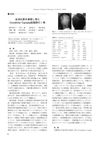 January 2014 in “Progress of Digestive Endoscopy”
 This case report describes a 60-year-old woman with Cronkhite-Canada syndrome whose symptoms and polyposis improved following prednisolone therapy, but emphasizes the need for periodic digestive tract screening due to associated cancer risks.
 29 citations
,
December 2017 in “Molecular therapy”
29 citations
,
December 2017 in “Molecular therapy” This study found that enzyme replacement therapy in mice with a severe form of classical homocystinuria improved metabolic patterns and alleviated many clinical symptoms.
February 2025 in “Gastroenterology” Corticosteroids improved symptoms in a man with Cronkhite-Canada Syndrome.
 August 2024 in “Clinical Cosmetic and Investigational Dermatology”
 This report describes the successful resolution of an epidermoid cyst using a minimally invasive approach with intralesional injection of recombinant enzymes.