13 citations
,
January 2024 in “Journal of Nanobiotechnology” This research reported that a newly developed adhesive wound dressing (SIS/PAA/LAP) demonstrated higher tissue adhesion and burst strength compared to conventional products, and improved tissue repair outcomes in animal models, suggesting potential for enhanced wound healing applications.
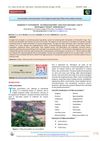 March 2023 in “International journal of pharmaceutical sciences review and research”
 In this study, an Emulgel containing Tridax procumbens extract was formulated and found to have promising physical properties and antimicrobial activity for wound healing.
46 citations
,
March 2009 in “Die Pharmazie” This study describes the development of nanostructured lipid carriers for minoxidil as a potential alternative to conventional topical solutions, showing promise for use in topical formulations.
106 citations
,
December 2015 in “Biomacromolecules” This study describes a method to create keratin hydrogels with adjustable erosion rates by mixing different ratios of keratose and kerateine, enabling controlled release of therapeutic agents like insulin-like growth factor 1.
 101 citations
,
July 2021 in “Nature Communications”
101 citations
,
July 2021 in “Nature Communications” This study reported that 4D-printed, aliphatic polycarbonate-based scaffolds supported adipose tissue engineering by allowing adipocyte infiltration and neovascularization in vivo, indicating potential for effective adipose tissue repair.
 January 2024 in “Journal of chemical health risks”
 In this study, gold nanoparticles-embedded ceria nanoparticles with enhanced antioxidant activities effectively reduced inflammation and colon injury in a colitis mouse model, suggesting their potential as a nano-therapeutic for inflammatory bowel disease.
 8 citations
,
July 2020 in “International Journal of Pharmaceutics”
8 citations
,
July 2020 in “International Journal of Pharmaceutics” In this study, complexation with cyclodextrins was reported to increase the solubility of FIN for potential use in aqueous formulations for treating male androgenic alopecia.
 January 2014 in “Sen i Gakkaishi”
 In this study, liposome-encapsulated thioglycolic acid improved hair perming by enhancing the penetration of perm solutions, resulting in a stronger S-shaped wave and higher cysteine content compared to the control.
2 citations
,
July 2012 in “PubMed” In this study, the use of internal wool lipid liposomes was shown to improve the lipid composition and increase the resistance to breaking in both untreated and chemically treated hair fibers.
6 citations
,
March 2023 in “Materials” In this study, researchers developed an acellular bioscaffold made from ovine tendon collagen with an antibacterial coating for treating skin wounds. They found that genipin crosslinking improves the scaffold's properties, and with plasma polymerisation, it enhances antibacterial activity, potentially benefiting wound healing.