9 citations
,
September 2010 in “Dermatologic therapy” This study found that combined therapy with cetirizine and topical steroids stabilized inflammation in most patients with lichen planus pilaris, though one patient experienced cardiac arrhythmia.
 November 2022 in “Journal of Investigative Dermatology”
 Among men with androgenetic alopecia, this study found that taking 5 mg of KX-826 twice daily significantly increased hair count compared to a placebo, with the treatment being well-tolerated and no serious adverse effects reported.
 1 citations
,
April 2009 in “Expert Review of Dermatology”
1 citations
,
April 2009 in “Expert Review of Dermatology” This study found that the once-daily gel combining calcipotriene and betamethasone dipropionate was more effective and faster in treating scalp psoriasis compared to individual treatments, with a similar safety profile.
 5 citations
,
December 2015 in “Dermatologic Therapy”
5 citations
,
December 2015 in “Dermatologic Therapy” In this study, topical phenylephrine significantly reduced hair shedding and increased the force needed to pluck hair in women undergoing cosmetic procedures, suggesting its potential utility for traction alopecia.
February 2006 in “Inpharma Weekly” 
This report describes a case of significant hair loss in a 51-year-old woman treated with paroxetine, which improved after stopping the medication, highlighting the complex nature of drug-associated alopecia.
May 2026 in “Carbohydrate Polymer Technologies and Applications” This study found that the carbohydrate-based excipient β-cyclodextrin forms a stable inclusion complex with the active ingredient of Minoxicapil®, potentially enhancing its formulation for hair-loss treatment, and in vitro assays suggest improved proliferation of DPC cells, supporting its use in topical treatments.
2 citations
,
November 2011 in “Current psychiatry” In this study, 1% pimekrolimus cream was found to be more effective than 0.05% clobetasol propionate for treating active plaques in patients with alopecia areata.
3 citations
,
July 2023 in “International Journal of Trichology” This study found that treatment with diphenylcyclopropenone led to more than 75% hair regrowth in 33.3% of patients with alopecia totalis or alopecia universalis, despite notable side effects.
7 citations
,
December 2022 in “Skin Appendage Disorders” This study found that among anti-TNF-α agents, certolizumab is the least likely to cause paradoxical reactions such as psoriatic alopecia and appears to be an effective and safe option for managing psoriasis and PsA while minimizing these risks.
April 2003 in “Journal of Clinical Dermatology” This study found that coapplication of capsaicin and minoxidil led to rapid and steady hair growth in mice, with capsaicin accelerating the start of anagen and minoxidil extending its duration.
 November 2021 in “Revista Ibero-Americana de Humanidades, Ciências e Educação”
 This paper evaluates the therapeutic response of androgenetic alopecia to topical application of specific compounds using digital drug delivery but reports no new clinical results.
May 2026 in “Reactions Weekly”  9 citations
,
January 2006 in “Cutaneous and ocular toxicology”
9 citations
,
January 2006 in “Cutaneous and ocular toxicology” This study found that L-cystine, D-pantothenat, and miliacin can enhance the metabolic capacity and proliferation of human keratinocytes, with a combination of these additives potentially providing synergistic benefits in growth media.
1 citations
,
September 2024 in “Veterinary Medicine and Science” In this study, researchers found that a single oral dose of afoxolaner was safe and effective in treating a severe case of Trixacarus caviae mange in a guinea pig, achieving full remission of clinical signs and mite eradication within 4 weeks without needing repeated treatment.
 January 2023 in “Advances in reproductive sciences”
 This study found that women with PCOS and female androgenetic alopecia had significantly higher serum pannexin-1 channel levels compared to those without PCOS, suggesting a potential role in hair loss etiology.
 January 2025 in “Investigative and Clinical Urology”
 This study found that after 12 weeks of taking the trial product SHPro®, participants reported improvements in prostate symptom scores and erectile function, with confirmed safety.
July 2026 in “Journal of Medicinal Chemistry” In this study, candidate compound 39 demonstrated potent androgen receptor antagonism and faster hair-growth efficacy in a mouse model compared to pyrilutamide, while maintaining favorable safety and pharmacokinetic profiles, suggesting potential for topical use in androgenic alopecia.
 5 citations
,
December 2011 in “Drug Research”
5 citations
,
December 2011 in “Drug Research” This study found that cortexolone 17α-propionate showed strong topical antiandrogenic activity, outperforming progesterone and several known antiandrogens, but lacked systemic antiandrogenic effects in animal models.
January 2026 in “Updates in clinical dermatology” 10 citations
,
June 2019 in “Dermatologic therapy” In this study, treatment with DPCP alone was more effective for hair regrowth and presented fewer side effects in chronic extensive alopecia areata compared to combination therapy with DPCP and anthralin.
 January 2023 in “Bioorganičeskaâ himiâ”
 This study found that a new deoxycholic acid derivative may offer a similar prostatoprotective effect to finasteride with lower toxicity in rat models.
 May 2018 in “Más dermatología”
 In this study, among postmenopausal women with female androgenetic alopecia, the combination of Pygeum africanum and Serenoa repens extracts at higher doses plus MSM significantly increased total hair growth and hair resistance compared to a lower dose formulation after 16 weeks.
 November 1999 in “Reactions Weekly” August 2011 in “SpringerReference”
 This study found that combining intralesional PTX and corticosteroids may enhance treatment outcomes for alopecia areata, with PTX showing better long-term effects compared to corticosteroids alone.
 5 citations
,
September 2011 in “Bioorganic & Medicinal Chemistry Letters”
5 citations
,
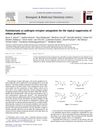
September 2011 in “Bioorganic & Medicinal Chemistry Letters” This study identified pantolactam based compounds as effective topical antagonists of the androgen receptor, reducing sebum components in a hamster model.
This study found that the finasteride tablet and capsule are bioequivalent to the control finasteride tablet in healthy volunteers.