1 citations
,
January 1986 in “PubMed” This case report describes a young patient with a unique combination of dysmorphism, bullous eruption, skin and muscle atrophy, and hyperpigmentation that doesn't fit existing nosological categories.
 July 2023 in “JCEM Case Reports”
 This case study describes a 36-year-old woman with a history of recurrent limb weakness linked to hypokalemia and later diagnosed with Cushing syndrome indicated by elevated cortisol levels and a pituitary mass, which was treated with surgery and radiosurgery.
3 citations
,
December 1991 in “PubMed” This report describes an infant who was diagnosed with Rothmund-Thomson syndrome, a rare genetic disorder characterized by diverse skin changes, short stature, and other developmental anomalies.
July 2020 in “Endocrine practice” This case report details a 13-year-old boy with Cushing syndrome, where BIPSS identified the pituitary gland as the cortisol excess source and hormonal tests showed suppressed puberty markers.
14 citations
,
January 2014 in “Anais Brasileiros de Dermatologia” This study found that low BMI may increase the risk of developing chilblains in individuals exposed to cold weather, with many patients experiencing recurrent lesions each winter.
 4 citations
,
May 2022 in “Journal of Nepal Medical Association”
4 citations
,
May 2022 in “Journal of Nepal Medical Association” This case report describes a 40-year-old woman with Cronkhite-Canada Syndrome whose symptoms, including gastrointestinal issues and skin changes, improved significantly with corticosteroids, co-infection treatment, and nutritional counseling.
 September 2018 in “Journal of the American Academy of Dermatology”
 Elderly patients with CCCA were all African American with low vitamin D, but no iron or zinc deficiencies, and no hormonal imbalances compared to younger patients.
18 citations
,
May 2004 in “Archives of Dermatology” This case report describes a 17-month-old girl with a history of itching skin, hair thinning, swelling, growth delay, anemia, and protein deficiency amidst potential food allergies and other health issues.
14 citations
,
October 1978 in “Archives of Dermatology” This report describes two cases where acquired zinc deficiency was associated with skin symptoms like hair loss and eczema, suggesting a recognizable syndrome in zinc-deficient patients.
 December 2024 in “Cureus”
 This study observed that among breast cancer patients at Jinnah Hospital, Lahore, common chemotherapy side effects impacted dietary patterns, leading many patients to be moderately malnourished, while 82% were overweight or obese, posing a higher risk of cancer recurrence.
January 1991 in “Linchuang pifuke zazhi” 22 citations
,
February 2004 in “Journal of pediatric gastroenterology and nutrition” This study found that nutritional deficiencies and gastrointestinal abnormalities are uncommon in children with ichthyosis and growth failure, suggesting chronic hypovolemia may be more prevalent in this group.
 April 2026 in “Diagnostics”
 This case report identifies collagenous gastritis as the cause of chronic gastrointestinal symptoms in a 27-year-old male, characterized by severe chronic inactive gastritis and a distinctive subepithelial collagen band.
 48 citations
,
July 2002 in “Journal of Cutaneous Medicine and Surgery”
48 citations
,
July 2002 in “Journal of Cutaneous Medicine and Surgery” This review discusses the variety of skin conditions linked to eating disorders and emphasizes that resolving these skin issues often requires treating the underlying disorder.
3 citations
,
May 2017 in “BMJ Case Reports” This case report details a 15-year-old boy who developed iatrogenic Cushing’s disease with severe complications after prolonged treatment by an untrained practitioner for persistent erythroderma.
In this case report, researchers observed that a malnourished male patient developed pseudoglucagonoma syndrome, characterized by necrolytic migratory erythema and diffuse hair loss, following Frey's surgery, which rapidly improved with enhanced nutrition.
October 2025 in “Indonesian Journal of Global Health Research” In this study, researchers found that nutritional status is the most significant predictor of physical appearance among children and adolescents with cancer, with better nutrition correlating with a more favorable appearance and reducing psychological distress related to body image concerns.
 1 citations
,
December 2023 in “Curēus”
1 citations
,
December 2023 in “Curēus” This study observed that five out of fourteen individuals aged 13-16 years, who were homozygous for the p.C282Y mutation related to hemochromatosis, had increased liver and phlebotomy-mobilized iron levels.
 3 citations
,
April 2015 in “Cleveland Clinic Journal of Medicine”
3 citations
,
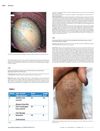
April 2015 in “Cleveland Clinic Journal of Medicine” This case report describes a 22-year-old woman with systemic lupus erythematosus who developed scurvy due to low serum ascorbic acid, despite a diet of white meat and processed foods.
 October 2017 in “The American journal of gastroenterology”
 This case series highlights severe micronutrient deficiencies and complications in three patients who did not adhere to follow-up care after Roux-en-Y gastric bypass, emphasizing the importance of regular nutritional monitoring.
March 2026 in “Pediatrics in Review” This case report describes a 17-year-old boy with obesity who was diagnosed with severe hypothyroidism, leading to myopathy, rhabdomyolysis, acute kidney injury, and bradycardia. Following treatment with IV levothyroxine and liothyronine, his symptoms improved, and he achieved significant weight loss over five months.
4 citations
,
June 1980 in “American Journal of Clinical Nutrition” Malnutrition can change hair color due to altered copper and zinc levels.
February 2026 in “Endokrynologia Polska” This report presents two cases of Berardinelli–Seip syndrome, emphasizing the role of genetic analysis and comprehensive care in managing the variability and complications of this rare condition.
9 citations
,
January 2016 in “Case Reports in Medicine” This study reported two cases of ryzophagia among nonpregnant women in the US, with symptoms resolving after iron dextran therapy, suggesting a link with iron deficiency.
 January 2025 in “Medical Research Archives”
 In this review, researchers reported that anorexia nervosa leads to widespread medical complications across all body systems, particularly at low body weights, and these complications are primarily treated through nutritional rehabilitation with a multidisciplinary team approach.
24 citations
,
June 1999 in “The Pediatric Infectious Disease Journal” In this case report, a 2-year-old boy initially diagnosed with Sweet syndrome was later found to have chronic granulomatous disease, highlighting the importance of considering CGD in unusual cases of Sweet syndrome.
 363 citations
,
May 2006 in “Current Opinion in Psychiatry”
363 citations
,
May 2006 in “Current Opinion in Psychiatry” This review highlights that medical complications, notably in anorexia nervosa, are common and often serious in patients with eating disorders, affecting multiple organ systems.
2 citations
,
January 2001 in “Humana Press eBooks” This review explores pseudo-Cushing's states that mimic Cushing's syndrome but do not involve elevated cortisol, and it presents no new research findings.
December 2019 in “The American Journal of Gastroenterology” In this study, three cases of Cronkhite-Canada syndrome revealed small bowel mucosal lesions, but these findings did not correlate with clinical symptoms or steroid treatment outcomes.
54 citations
,
April 2007 in “Gastroentérologie clinique et biologique” This review highlights that bariatric surgery can increase nutritional deficiencies in morbidly obese patients, with particular emphasis on the risks of deficiency due to reduced food intake and malabsorption.