68 citations
,
January 2013 in “BMC Pharmacology and Toxicology” This study found that glibenclamide exhibited a cytostatic effect on MDA-MB-231 breast cancer cells, potentially mediated through K ATP channels, and enhanced the antiproliferative impact of doxorubicin.
9 citations
,
July 2022 in “Journal of Clinical Oncology” This study found that oral paclitaxel combined with encequidar improved tumor response rates compared to intravenous paclitaxel in women with metastatic breast cancer, while also reducing neuropathy but increasing certain gastrointestinal and neutropenic side effects.
 1 citations
,
December 2013 in “Urological Science”
1 citations
,
December 2013 in “Urological Science” This case report documents a 59-year-old man in Taiwan who developed breast cancer while undergoing finasteride therapy for benign prostate hyperplasia, marking a rare side effect.
 June 2026 in “Journal of cancer research updates”
 This study conducted in an Iraqi oncology setting found generic Palbociclib to have a safety profile consistent with previous data, with observed side effects including high rates of neutropenia and anemia, particularly among patients receiving it with Fulvestrant.
 December 2025 in “npj Breast Cancer”
 In the phase 3 CAPItello-291 trial, capivasertib combined with fulvestrant significantly increased progression-free survival in patients with advanced breast cancer with specific genetic alterations, but the authors highlight that managing side effects like diarrhea, rash, and hyperglycemia is crucial for optimizing treatment adherence and outcomes.
 December 2021 in “Research Square (Research Square)”
 This study suggests that certain nutraceuticals may enhance the inhibitory effects of tamoxifen on estrogen in breast cancer cells and potentially offer protective benefits for hair growth in patients undergoing endocrine therapy.
 February 2022 in “Research Square (Research Square)”
 In this cell-based study, researchers found that certain nutraceuticals combined with tamoxifen may influence estrogen receptor expression, potentially offering a protective effect and promoting hair growth during breast cancer therapy.
 15 citations
,
July 2023 in “EClinicalMedicine”
15 citations
,
July 2023 in “EClinicalMedicine” This review discusses the toxicities associated with antibody-drug conjugates in breast cancer treatment and proposes strategies for monitoring and managing these adverse effects, but it reports no new clinical results.
 December 2024 in “Cureus”
 This study observed that among breast cancer patients at Jinnah Hospital, Lahore, common chemotherapy side effects impacted dietary patterns, leading many patients to be moderately malnourished, while 82% were overweight or obese, posing a higher risk of cancer recurrence.
May 2015 in “Cancer research” This study found that persistent significant alopecia was a common side effect following FEC-docetaxel chemotherapy, with a 33.4% global incidence, highlighting the need for awareness and potential preventative measures like cooling caps during treatment.
8 citations
,
January 2020 in “Evidence-based Complementary and Alternative Medicine” This study found that Cinobufacin combined with chemotherapy improved clinical outcomes in breast cancer patients and reduced certain side effects compared to chemotherapy alone.
 March 2026 in “Cancer Diagnosis & Prognosis”
 In this study, researchers used a patient-reported outcome questionnaire to assess long-term adverse effects in breast cancer patients undergoing chemotherapy, finding persistent symptoms like neuropathy, dysgeusia, insomnia, and nail loss. Peripheral neuropathy was notably prolonged in those receiving anthracycline- and taxane-based regimens compared to docetaxel/cyclophosphamide.
 July 2025 in “International Journal of Pharmacy and Pharmaceutical Science”
 This review highlights the potential of herbal remedies as complementary options for breast cancer care, noting benefits like immune modulation and reduced chemotherapy side effects, in contrast to conventional treatments that often cause significant side effects and long-term health issues.
 16 citations
,
October 2012 in “British Journal of Dermatology”
16 citations
,
October 2012 in “British Journal of Dermatology” Chemotherapy can cause significant hair thinning and changes in hair texture, while tamoxifen has a smaller effect.
August 2026 in “Indonesian Journal of Global Health Research” This study reports that scalp cooling is 40%-90% effective in preventing chemotherapy-induced hair loss among breast cancer patients, particularly with taxane-based treatments, though some exhibited discontinuation due to mild side effects.
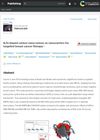 January 2025 in “Nanoscale”
 This study reports that a new boron/nitrogen-doped carbon nano-onion-based delivery system for doxorubicin enhanced its uptake and anticancer effects in specific cancer cell types, while reducing cardiotoxicity in human heart cells.
January 2023 in “Figshare” This study reported that postmenopausal patients with advanced breast cancer prioritize quality of life, overall survival, and progression-free survival over therapy-related side effects when considering cancer treatment decisions.
January 2023 in “Figshare” This study found that for postmenopausal patients with advanced breast cancer, quality of life, overall survival, and progression-free survival are the most important factors in treatment decisions, while side effects hold less importance.
July 2021 in “Plastic and reconstructive surgery. Global open” This study identified specific genes involved in radiation-induced fibrosis in skin, capsule, and muscle tissues of breast cancer patients, offering insights that may help improve mitigation strategies for these side effects.
This study developed a novel FRET-based 3D in vitro breast tumor model that can non-invasively evaluate drug-induced effects, showing its potential as an intermediary screening platform for cancer drugs.
 May 1993 in “Drugs & Therapy Perspectives”
 Formestane is a preferred second-line treatment for advanced breast cancer in postmenopausal women because it's effective and has fewer side effects.
 January 2026 in “Scientific Reports”
 This study assessed Palestinian women newly diagnosed with breast cancer and found that higher spiritual well-being is associated with improved body image and sexual functioning, and reduced distress from treatment side effects, suggesting spiritual support should be integrated into cancer care.
This policy paper explores the potential of using nanoscale carriers to deliver chemotherapy drugs directly to breast cancer tumors in the UAE, aiming to minimize harmful side effects and improve quality of life for patients by targeting only cancerous cells.
39 citations
,
August 2022 in “Pharmaceutics” This study found that the combination of letrozole and quercetin loaded in spanlastics showed enhanced cytotoxicity and other anticancer effects against MCF-7 breast cancer cells compared to individual treatments.
 1 citations
,
February 2024 in “Journal of Modern Oncology”
1 citations
,
February 2024 in “Journal of Modern Oncology” This study found that scalp hypothermia effectively prevented chemotherapy-induced alopecia in 57.3% of breast cancer patients, with side effects such as a feeling of cold and slight headaches reported in 16% of cases.
49 citations
,
January 2017 in “Oxidative Medicine and Cellular Longevity” In this study, the alcoholic extract of Eclipta alba demonstrated significant anticancer activity in vitro by inducing apoptosis in breast cancer cell lines and showed strong antioxidant properties.
February 2024 in “Frontiers in Cell and Developmental Biology” This study found that eribulin-based chemotherapy resulted in longer median progression-free and overall survival, with fewer side effects, for advanced triple-negative breast cancer patients compared to other chemotherapy options.
 January 2015 in “Side effects of drugs annual”
 This review discusses various sex hormones and related compounds, including estrogens and anabolic steroids, but reports no new findings; it highlights existing literature from 2014 regarding their use and effects.
 36 citations
,
May 2017 in “The journal of sexual medicine”
36 citations
,
May 2017 in “The journal of sexual medicine” In this retrospective study, cyproterone acetate treatment in late-pubertal trans-girls was found to be generally safe and led to mild feminizing effects, with more rapid feminization occurring when combined with estrogens.
54 citations
,
March 2012 in “International Journal of Andrology” This study found that prenatal exposure to certain pesticides may lead to earlier breast development in girls, potentially associated with higher androgen levels.