62 citations
,
March 2017 in “Journal of Investigative Dermatology” Mutations in the ACTB gene cause Becker’s nevi and may lead to muscle issues in Becker’s nevus syndrome.
 12 citations
,
March 2011 in “Journal of pathology”
12 citations
,
March 2011 in “Journal of pathology” In this study, activation of oncogenic K-ras in a mouse model caused the oral mucosa to rapidly progress from squamous hyperplasia to carcinoma within 14 days, demonstrating its acute sensitivity.
37 citations
,
November 2017 in “Medical Sciences” This study suggests that melanoma tumor cells exhibit intrinsic plasticity, challenging the applicability of the cancer stem cell model to this malignancy.
 5 citations
,
September 2015 in “BMC Medical Genetics”
5 citations
,
September 2015 in “BMC Medical Genetics” In this study, individuals with a c.1072C > T mutation in the EDAR gene showed more hair shaft deformations compared to non-mutation carriers, highlighting EDAR's role in hair follicle development.
13 citations
,
January 2023 in “Annual Review of Cancer Biology” This study suggests that cancer risk may be influenced by the balance of pro- and anti-oncogenic mutants in normal tissues rather than by the total number of mutations.
January 2013 in “Kidney international” This report describes a clinical case of a 38-year-old man diagnosed with Birt-Hogg-Dubé syndrome, confirmed by genetic testing, highlighting the presentation of multiple renal tumors and bilateral lung cysts.
October 2024 in “Journal of the Endocrine Society” This case report highlights that a patient with resistance to thyroid hormone was misdiagnosed as having Graves’ disease, leading to unnecessary radioactive iodine treatment.
May 2019 in “CINECA IRIS Institutial Research Information System (University of Genoa)” This study found that patients with the MITF p.E318K variant are more likely to develop multiple primary melanomas and dysplastic nevi with uncommon dermoscopic patterns compared to non-carriers.
 72 citations
,
November 2012 in “PloS one”
72 citations
,
November 2012 in “PloS one” This study found that dysregulation of the folliculin-p0071 interaction may lead to changes in cell adhesion and signaling, contributing to conditions like emphysema and renal cell carcinoma.
 April 2012 in “The Journal of Urology”
 This case-control study found that men with earlier onset androgenetic alopecia, particularly frontal balding, may have an increased risk of prostate cancer in a multiethnic veterans cohort.
 October 2010 in “International Journal of Dermatology”
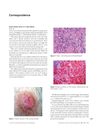
 An 86-year-old man with prostate cancer was diagnosed with a rare, low-grade breast cancer and underwent surgery but declined additional hormone therapy.
2 citations
,
August 2022 in “World Journal of Clinical Cases” In this study, researchers found multiple somatic mutations and copy number variations in a patient with Cronkhite-Canada syndrome, providing novel insights into its potential genetic mechanisms.
 5 citations
,
September 2013 in “The Journal of Dermatology”
5 citations
,
September 2013 in “The Journal of Dermatology” Researchers found a new mutation in the HR gene causing hair loss and skin bumps in a Pakistani family.
 17 citations
,
October 2006 in “Molecular and Cellular Endocrinology”
17 citations
,
October 2006 in “Molecular and Cellular Endocrinology” This study found that the L457(3.43)R mutation in the human luteinizing hormone receptor increases phosphodiesterase activity, reducing hormonal response despite elevated basal cAMP levels.
 November 2025 in “Cancer Management and Research”
 This study highlighted Keratin 17's critical role in cancer therapy resistance across several malignancies, involving various signaling pathways, and identified it as a significant biomarker and potential therapeutic target, particularly in reversing resistance.
5 citations
,
January 2012 in “Indian Journal of Dermatology Venereology and Leprology” Werner's syndrome causes early aging and increases cancer risk, requiring early diagnosis and symptom management.
26 citations
,
October 2002 in “Journal of Investigative Dermatology” This study identifies a mutation in the hairless gene that may impact thyroid receptor interaction, contributing to alopecia universalis congenita in an Arab Israeli patient.
 111 citations
,
October 2008 in “Nature Genetics”
111 citations
,
October 2008 in “Nature Genetics” In their study, Tim Spector and colleagues identified a new genetic association at chromosome 20p11.22 with male-pattern baldness, confirmed by the increased risk when combined with a known androgen receptor gene variant.
8 citations
,
February 2002 in “Journal of Medical Genetics” In this study, synchrotron fibre diffraction identified changes in dermal collagen microfibrillar radius with age, with lower radii observed in individuals with insulin-dependent diabetes mellitus.
September 2022 in “Indian Journal of Paediatric Dermatology” This case report documents the first confirmed mutation-proved instance of Clouston syndrome in a large Chinese-Malaysian family, linked to the c.263C>T (A88V) mutation in the GJB6 gene, with no available treatment but highlighting the importance of genetic counseling.
 May 2025 in “The FASEB Journal”
 This study concluded that TNFRSF1B is a potential pathogenic factor in androgenetic alopecia, suggesting it as a novel therapeutic target.
1 citations
,
January 2022 in “bioRxiv (Cold Spring Harbor Laboratory)” This study found that injury-induced proliferation of wild-type cells can suppress oncogenic growth in Ras-mosaic skin.
3 citations
,
January 2011 in “生物医学研究杂志:英文版” In this study, a novel heterozygous transition mutation in the KRT86 gene was identified, which may be pathogenic for monilethrix in a Chinese family.
This study found that the survival and proliferation of mouse melanocytes expressing the GNAQQ209L oncogene were impaired by interactions with the epidermal microenvironment, suggesting a possible mechanism for the rarity of these mutations in epidermal melanomas.
22 citations
,
February 2012 in “Journal of Investigative Dermatology” A specific gene mutation causes severe skin and nail issues and hair loss.
 6 citations
,
October 2020 in “Endocrine journal”
6 citations
,
October 2020 in “Endocrine journal” This case report identifies two specific mutations in the WRN gene in a 40-year-old female with Werner syndrome, highlighting the need for awareness of its early manifestations and treatment options.
 3 citations
,
August 2013 in “Journal of the National Cancer Institute”
3 citations
,
August 2013 in “Journal of the National Cancer Institute” This study reported an almost doubling of advanced breast cancer incidence in women under 40 over three decades, but its significance remains uncertain and requires further confirmation.
29 citations
,
June 2015 in “Kidney International” This study developed a kidney-specific knockout mouse model lacking the Flcn gene, which recapitulates human Birt-Hogg-Dubé kidney tumorigenesis and shows that mTOR pathway inhibition with rapamycin can suppress tumor growth.
 April 2018 in “Journal of Investigative Dermatology”
 This study observed that β-catenin overexpression in human squamous cell carcinoma cells led to increased CREB expression, which significantly enhanced clonogenic activity, suggesting CREB as a β-catenin-regulated factor promoting cancer characteristics.
 28 citations
,
March 2010 in “British Journal of Dermatology”
28 citations
,
March 2010 in “British Journal of Dermatology” This abstract contains only supplementary material information and reports no new research findings.