5 citations
,
April 2022 in “Journal of Obesity” This study found that both transgender and cisgender individuals experience similar psychological and cosmetic benefits from surgical body modifications, but cisgender individuals typically have more autonomy and support in pursuing these surgeries.
 1 citations
,
October 1984 in “Clinics in dermatology”
1 citations
,
October 1984 in “Clinics in dermatology” This article discusses the psychological impact of skin imperfections and suggests establishing a Cosmetic Dermatology Service within public health systems to address these issues ethically.

This study reports that in a rat model of myocardial infarction, Zn-Cu ion sequential therapy improved cardiac function and cardiomyocyte metabolic activity by precisely regulating ion concentrations and maintaining elevated levels of the Per2 protein, important for cellular repair.
 2 citations
,
September 2023
2 citations
,
September 2023 This study found that among Inner Mongolian cashmere goats, body weight gain during the non-growing period positively correlated with increases in cashmere yield, staple length, and secondary hair follicle activity, suggesting that nutritional interventions may enhance cashmere production.
May 2021 in “Immunology and Infectious Diseases” This article discusses the effects of emerging and persistent viral infections on human health, emphasizing the importance of understanding host-pathogen interactions for vector control, but it reports no new clinical results.
72 citations
,
July 2022 in “Frontiers in Systems Biology” This review provides a comprehensive guide to the human microbiome and reports no new experimental results; it highlights the impact of modern lifestyles on microbial homeostasis and the necessity of conservation efforts.
67 citations
,
December 2013 in “Journal of Biological Chemistry” This review discusses the role of the enzyme Δ9-desaturase-1 in skin lipid regulation and whole-body energy balance in mice and reports no new experimental results.
1 citations
,
January 2023 in “International journal of molecular sciences” This study found that S. scabiei infestation in rabbits leads to epidermal thickening possibly due to apoptosis-related proliferation and keratinization of the skin.
January 2026 in “British Journal of Health Psychology” This review highlights the significant impact of alopecia on personal identity and social interactions, emphasizing the need for personalized, non-pharmacological interventions and improved collaboration in healthcare training to better support those with appearance-altering conditions.
 1 citations
,
January 2015 in “Trace Elements in Medicine (Moscow)”
1 citations
,
January 2015 in “Trace Elements in Medicine (Moscow)” This case study reports that different organs, such as hair and stature, may grow at varying rates during different stages of growth.
 2 citations
,
March 2012 in “Nature Reviews Endocrinology”
2 citations
,
March 2012 in “Nature Reviews Endocrinology” The body's change of testosterone into DHT is not necessary for testosterone's muscle and sexual effects.
81 citations
,
January 1987 in “Current topics in developmental biology/Current Topics in Developmental Biology” Keratins change and are modified differently in skin layers and body parts.
 February 2009 in “Springer eBooks”
 Pregnancy can cause more body and scalp hair growth and make nails brittle, but these changes often revert after giving birth.
 104 citations
,
January 2005 in “Climacteric”
104 citations
,
January 2005 in “Climacteric” This review discusses the pharmacological properties of progestins used in contraception and hormone replacement therapy, focusing on drospirenone's unique effects, but reports no new experimental findings.
 51 citations
,
February 2006 in “Clinics in Dermatology”
51 citations
,
February 2006 in “Clinics in Dermatology” This review discusses the physiological changes in the female body during pregnancy, relating them to hormonal shifts, and comments on treatment considerations, but it presents no new research findings.
 April 2026 in “International Journal For Multidisciplinary Research”
 This study found that men who underwent hair transplantation at Vera Clinic experienced significant improvements in self-esteem, relationship satisfaction, and sexual functioning over 12 months, suggesting enhanced psychological well-being and relational functioning associated with the procedure.
 September 2023 in “The Journal of clinical endocrinology and metabolism”
 This study found that genetic risk factors for PCOS are linked to increased body mass index and earlier developmental milestones in childhood, indicating that PCOS may affect both sexes from early life.
St John’s Wort can change how finasteride works in the body.
31 citations
,
September 2020 in “Clinical endocrinology” This review found limited evidence on the effectiveness of different antiandrogens for feminization in transgender women, suggesting cyproterone acetate, leuprolide, and medroxyprogesterone acetate may better suppress testosterone than spironolactone or estradiol alone.
 5 citations
,
March 2001 in “Clinics in Dermatology”
5 citations
,
March 2001 in “Clinics in Dermatology” This article explores evidence for a rational strategy in the endocrine and metabolic management of patients with excess body hair or scalp loss and reports no new clinical results.
 109 citations
,
May 2011 in “Dermatologic Therapy”
109 citations
,
May 2011 in “Dermatologic Therapy” This article reviews the characteristics, associations, and diagnostic criteria for alopecia areata and reports no new clinical findings; the authors note the disease's unpredictable course and variable prognosis.
 23 citations
,
May 1984 in “Journal of the American Geriatrics Society”
23 citations
,
May 1984 in “Journal of the American Geriatrics Society” Benign Prostatic Hyperplasia may be caused by changes in how the body processes male hormones.
 12 citations
,
October 2018 in “International Journal of Women's Dermatology”
12 citations
,
October 2018 in “International Journal of Women's Dermatology” This review discusses lesser-known concerns in transgender dermatology, including neovaginal issues, neoplastic and autoimmune conditions, and the effects of unapproved injectable substances, but reports no new clinical findings.
7 citations
,
January 2019 in “Journal of clinical medicine research” This study found that menopausal status and hormone therapy significantly affect the histology and gene expression of the introitus, with post-menopausal women showing notable tissue remodeling associated with vaginal atrophy.
 2 citations
,
June 2018 in “Journal of the American Academy of Dermatology”
2 citations
,
June 2018 in “Journal of the American Academy of Dermatology” This review discusses various nail changes in alopecia areata and suggests that they may be more prevalent than previously recognized, impacting quality of life and potentially indicating disease progression.
 2 citations
,
December 2013 in “Revista Colombiana de Obstetricia y Ginecología”
2 citations
,
December 2013 in “Revista Colombiana de Obstetricia y Ginecología” This article reviews the cultural, historical, and marketing influences driving female pubic hair removal and argues it is socially seen as normative for aesthetic, hygienic, erotic, and self-image reasons.
 August 2023 in “Medicina-lithuania”
 This review discusses the degenerative effects of anabolic-androgenic steroids on the nervous system and reports no new experimental results, aiming to increase public awareness of their health risks.
January 2021 in “Deep Blue (University of Michigan)” This study found that LepRb neurons in the brain are important targets for androgen action and influence sex-specific differences in reproductive and metabolic regulation, implicating them in conditions such as polycystic ovary syndrome.
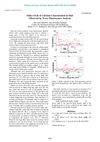
Hair can show daily calcium changes, linked to body calcium levels and influenced by hormones, and can help assess calcium metabolism issues.
 February 2024 in “Hormones”
 This study surveyed individuals seeking estrogen-based gender-affirming hormone therapy, revealing that improving life satisfaction and femininity are top treatment goals, and highlighting the need for trials aligned with community priorities.