 3 citations
,
August 1998 in “Dermatologic Surgery”
3 citations
,
August 1998 in “Dermatologic Surgery” Bobby Limmer was crucial in developing a hair transplant method that uses natural hair groupings for a more realistic look.
 June 2023 in “British Journal of Dermatology”
 This study observed that baricitinib treatment led to significant improvements in hair regrowth and quality of life scores in adults with severe alopecia areata over 24 weeks, with an acceptable safety profile as most adverse effects were transient.
 April 2016 in “JAMA Dermatology”
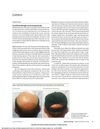
 This commentary highlights the importance of additional sun protection for individuals with alopecia, noting that common headwear like baseball caps may provide insufficient photoprotection for the scalp.
 7 citations
,
January 2012 in “PubMed”
7 citations
,
January 2012 in “PubMed” In this study, azelaic acid 20% and finasteride increased BCL-2 protein expression and decreased bax protein expression in rats after skin flap surgery, suggesting a potential antiapoptotic role in reducing ischemia-induced damage.

In this study on mice, a baricitinib-loaded microneedle patch enhanced hair growth in alopecia areata lesions (68% vs control: 33%, p < 0.05), suggesting it may deliver treatment effectively and pain-free, with fewer systemic side effects.
 April 2015 in “Journal of Nutritional Therapeutics”
 This study found that a more liberal intake of restricted amino acids in patients with methylmalonic acidemia resulted in improved growth and fewer illness episodes.
31 citations
,
May 2017 in “JAAD Case Reports” This article reviews the use of deoxycholic acid as a nonsurgical treatment for unwanted fat in the cosmetic field but reports no new clinical results.
 11 citations
,
October 2019 in “Journal of Cancer Immunology”
11 citations
,
October 2019 in “Journal of Cancer Immunology” This article discusses the role of external beam radiotherapy as a primary treatment method for cancer and reports no new clinical findings.
 September 2025 in “Journal of Cosmetic Dermatology”
 This study found that scalp micropigmentation was a safe and effective cosmetic solution for localized alopecia, showing significant improvement in visual density and high patient satisfaction without adverse events.
43 citations
,
January 1999 in “Endocrinology” This study found that cortisol increases mac25/IGFBP-rP1 expression in osteoblast-enriched cells from fetal rat calvariae, indicating transcriptional regulation which may influence IGF and insulin effects in bone.
 1 citations
,
October 2022 in “Sci”
1 citations
,
October 2022 in “Sci” This review discusses the use of helmet designs in integrative medicine and transcranial photobiomodulation, highlighting new developments and potential future advancements in sensor-controlled therapy helmets, but reports no new clinical results.
September 2024 in “Journal of the American Academy of Dermatology” Eyebrow and eyelash regrowth usually matches scalp hair response in alopecia areata patients treated with baricitinib.
 2 citations
,
February 2004 in “Biopolymers”
2 citations
,
February 2004 in “Biopolymers” This study found that 4-(4-Phenoxybenzoyl)benzoic acid derivatives may act as antioxidants by scavenging certain reactive oxygen species but exhibit prooxidant behavior under specific conditions.
1 citations
,
July 2007 in “Journal of Investigative Dermatology” The mutation causes hairless mice due to mislocalized and dysfunctional HR protein.
2 citations
,
August 2017 in “Experimental Dermatology” This study developed a new melanocyte cultivation medium without chemical mitogens, melanogenesis enhancers, or bovine products, demonstrating successful proliferation and melanotic differentiation of human melanocytes from hair follicles.
8 citations
,
January 2017 in “Journal of Cutaneous and Aesthetic Surgery” This study found that scalp micropigmentation provided moderate to great improvement in scalp coverage and patient satisfaction for those with hair loss, with any adverse effects being mild and temporary.
36 citations
,
October 2007 in “Journal of Investigative Dermatology” This study found that overexpression of betacellulin in transgenic mice delayed hair follicle morphogenesis and cycling, increased keratinocyte proliferation, and enhanced wound angiogenesis without affecting wound healing strength.
February 2019 in “Chin J Injury Repair and Wound Healing(Electronic Edition)” This study indicates that porcine acellular dermal matrix may aid hair follicle regeneration in mice by enhancing the expression of SDF-1 and the Wnt3a/β-catenin signaling pathway.
7 citations
,
September 1991 in “Journal of Andrology” In this study, 4‐MAPC treatment reduced ventral prostate weight in rats primarily through decreased synthetic activity, with testosterone propionate increasing prostate weight and activity at pharmacologic doses.
 22 citations
,
April 2013 in “Dermatologic surgery”
22 citations
,
April 2013 in “Dermatologic surgery” In this study, daily application of bimatoprost 0.03% ophthalmic solution for 9 months significantly improved eyebrow appearance in individuals with mild to moderate eyebrow hypotrichosis, without observed side effects.
 1 citations
,
March 2022 in “Journal of Dermatological Science”
1 citations
,
March 2022 in “Journal of Dermatological Science” This study concluded that overexpressing TERT and BMI1 in cultured human dermal papilla cells extended their lifespan and enhanced their ability to induce hair growth in mice.
December 2024 in “Annals of Medicine and Surgery” Early diagnosis of pseudopelade of Brocq in men is crucial to prevent permanent hair loss.
 September 2024 in “Journal of the American Academy of Dermatology”
 In this study, patients with severe alopecia areata treated with baricitinib over 152 weeks experienced sustained patient-reported improvements in scalp, eyebrow, and eyelash hair regrowth, with higher responders observed in the 4mg dose group compared to the 2mg group.
 October 2023 in “Regular and Young Investigator Award Abstracts”
 This study found that Baricitinib significantly reduced hair loss and immune response in a mouse model of alopecia areata.
This study observed that the development of the pars intermedia in long-tailed macaques is closely associated with changes in skin pigmentation during pre- and postnatal periods through melanocyte-stimulating hormone and ACTH activity.
This review of existing literature reports that photobiomodulation shows high effectiveness and safety in treating dermatological conditions like acne, psoriasis, and alopecia, though standardized clinical trials are needed to further validate its therapeutic benefits.
14 citations
,
June 1982 in “Archives of Dermatology” This letter to the editor shares concerns about possible systemic effects from topical dinitrochlorobenzene therapy in a 25-year-old man treating alopecia areata.
1647 citations
,
June 2014 in “BMJ” This article argues that while evidence-based medicine has provided many benefits, it has also led to negative unintended consequences, and proposes a renewed focus on integrating context and professional expertise to improve patient treatment.
 April 2017 in “Journal of Dermatological Science”
 This study found that B cells have dual roles in tumor immunity, with regulatory B cells potentially hindering immune responses against tumors in the melanoma mouse model.
January 2019 in “Clinical pediatric dermatology” This review discusses the use of follicular unit extraction and scalp micropigmentation in treating male pattern baldness, noting that scalp micropigmentation provides a non-surgical option to emulate natural hair appearance without downtime.