53 citations
,
January 1985 in “Acta obstetricia et gynecologica Scandinavica” This study found that an 8-month treatment with a low-dose oral contraceptive significantly reduced testosterone levels and hair growth in women with polycystic ovary syndrome and hirsutism, with minimal side effects.
 37 citations
,
February 2007 in “Clinical Obstetrics and Gynecology”
37 citations
,
February 2007 in “Clinical Obstetrics and Gynecology” This article examines current pharmacologic treatments for PCOS focusing on symptom-specific approaches, particularly the metabolic effects of therapies, but reports no new clinical findings.
 30 citations
,
April 2014 in “Seminars in Reproductive Medicine”
30 citations
,
April 2014 in “Seminars in Reproductive Medicine” This review discusses the challenges in diagnosing polycystic ovary syndrome in adolescents and reports no clinical results; the authors highlight the need for firm diagnostic criteria.
 28 citations
,
November 2007 in “Medical Clinics of North America”
28 citations
,
November 2007 in “Medical Clinics of North America” This review discusses the impact, pathophysiology, and health risks of obesity and the metabolic syndrome in polycystic ovarian syndrome, emphasizing the potential life-saving benefits of recognition and treatment, but it reports no new results.
 15 citations
,
March 1997 in “International Journal of Dermatology”
15 citations
,
March 1997 in “International Journal of Dermatology” This article discusses the potential use of 5α-reductase inhibitors in dermatology and reports no new clinical results; the authors suggest further exploration of their dermatological applications.
 14 citations
,
January 2012 in “Endocrine development”
14 citations
,
January 2012 in “Endocrine development” This article reviews the challenges in diagnosing mild hyperandrogenism in adolescent girls, discussing potential causes like PCOS and treatment options, but reports no new clinical results.
 13 citations
,
January 1995 in “Postgraduate medicine”
13 citations
,
January 1995 in “Postgraduate medicine” This article outlines common and serious causes of excessive body hair in women, noting that benign conditions like polycystic ovarian syndrome are treatable, while dangerous causes require swift medical attention; it reports no new results.
11 citations
,
January 1980 in “PubMed” This article reviews various side effects and concerns related to oral contraceptives, including potential vascular complications and elevated plasma cortisol levels, but reports no new clinical results.
 10 citations
,
May 1995 in “Journal of General Internal Medicine”
10 citations
,
May 1995 in “Journal of General Internal Medicine” Most women with excessive hair growth have PCOS; treatment varies and focuses on preventing new hair, with electrolysis as the only permanent removal method.
7 citations
,
May 2014 in “Iranian Red Crescent medical journal” This case study describes a 17-year-old female with severe hirsutism diagnosed with PCOS, NC-CAH, and HAIR-AN syndrome who was successfully treated based on her specific underlying conditions.
 4 citations
,
June 2007 in “PubMed”
4 citations
,
June 2007 in “PubMed” This review discusses current strategies for diagnosing and treating polycystic ovary syndrome and reports no new clinical results.
3 citations
,
November 2022 in “International journal of environmental research and public health/International journal of environmental research and public health” This study observed that ethnic Indian women with PCOS often experience early symptom onset, delays in diagnosis, and report poor quality of life, highlighting the need for culturally tailored healthcare approaches.
2 citations
,
January 2017 Personalized treatment is crucial for women with hyperandrogenism-related acne and hirsutism.
2 citations
,
July 2012 in “Obstetrics, gynaecology and reproductive medicine” This article reviews the physiology, causes, and treatments of hirsutism and reports no new research findings.
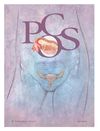 2 citations
,
June 2009 in “The Nurse practitioner”
2 citations
,
June 2009 in “The Nurse practitioner” This article highlights that many women with PCOS are unaware of their condition and its increased risks for type 2 diabetes and cardiovascular disease, and it offers no new clinical findings.
1 citations
,
January 2023 This article reviews the causes and treatment options for hyperandrogenism-related hirsutism and acne in women, reporting no new results and highlighting the variability in treatment needs based on severity and personal desire.
 1 citations
,
October 2015 in “Journal of endocrinology and diabetes”
1 citations
,
October 2015 in “Journal of endocrinology and diabetes” This review discusses the diagnostic criteria and challenges in recognizing polycystic ovary syndrome, noting varied phenotypes and the absence of consensus on renaming the condition; it reports no new findings.
1 citations
,
January 2015 Hyperandrogenism in women often causes acne and excess hair, treatable with lifestyle changes and medications.
June 2026 in “JOURNAL of QASSIM UNIVERSITY FOR SCIENCE” This article discusses various management strategies for polycystic ovarian syndrome but reports no new clinical results, emphasizing the need for comprehensive treatment approaches involving lifestyle changes, pharmaceuticals, and potential genetic insights.
November 2025 in “Gynecological Endocrinology” This review discusses coordinated management strategies for polycystic ovary syndrome across various levels of care but reports no new clinical results.
 April 2024 in “Canadian Women s Health Today”
 This review suggests that "polycystic ovarian syndrome" is a misleading name, as the disorder involves complex metabolic and reproductive issues beyond ovarian dysfunction and may stem from factors affecting the fetus in utero.
 December 2022 in “International Journal of Current Science Research and Review”
 This review discusses the underdiagnosis and diverse treatment approaches for Polycystic Ovary Syndrome in India, highlighting the need for more open discussion and holistic treatment strategies.
 September 2022 in “Women's healthcare”
 This review discusses various aspects of polycystic ovary syndrome, including its prevalence, diagnosis, and treatment options, and reports no new empirical results.
 January 2022 in “Acta Scientific Women's Health”
 This autobiographical case study describes a 25-year-old woman with PCOS who successfully managed her symptoms using hormonal therapy, including oral contraceptives and Myo-Inositol, leading to normalized menstrual cycles and the resolution of most symptoms.
 December 2021 in “Journal of oncology research reviews & reports”
 This article discusses the treatment options for women with polycystic ovarian syndrome and notes the need for further research to improve patient management.
 April 2020 in “Journal of the Endocrine Society”
 This case report emphasizes the importance of recognizing non-classic congenital adrenal hyperplasia as a cause of hyperandrogenism and the need for genetic counseling given potential familial implications.
 February 2020 in “Diabetologie Und Stoffwechsel”
 This article reviews treatment strategies for polycystic ovary syndrome, specifically recommending letrozole for infertility, while also discussing lifestyle changes and other potential therapies, and reports no new research findings.
December 2019 in “Orvostudományi Értesítö” This article reviews treatment approaches for polycystic ovary syndrome, highlighting lifestyle changes, medications like metformin for insulin resistance, and fertility therapies, acknowledging the complexities and contraindications involved.
 May 2019 in “Paediatrics and child health”
 This review discusses diagnosis and management strategies for polycystic ovary syndrome in teenagers and reports no new clinical findings, emphasizing tailored approaches considering symptoms, psychological well-being, and fertility needs.
April 2019 in “Journal of the Endocrine Society” This case study reported that even with improved adrenal androgens and testosterone levels, treating women with AH-PCOS with glucocorticoids did not significantly improve ovulatory function or hirsutism.