1 citations
,
September 1996 in “Journal of the European Academy of Dermatology and Venereology” In this study, biotin supplementation improved biotinidase activity and led to clinical remission in some patients with alopecia areata.
2 citations
,
August 2024 in “Molecular Genetics & Genomic Medicine” In this case study, an 8-day-old neonate with holocarboxylase synthetase deficiency showed dramatic improvement in lactic acidosis and overall clinical condition following biotin mega-dose therapy, highlighting the importance of early genetic testing and timely treatment in such metabolic disorders.
 4 citations
,
January 2015 in “Journal of microbial & biochemical technology”
4 citations
,
January 2015 in “Journal of microbial & biochemical technology” In this study, the researchers observed that biotin administration in biotin-deficient children with alopecia eliminated certain membrane proteins from their blood, suggesting that biotin might regulate these proteins' expression.
July 2021 in “British Journal of Dermatology” This article suggests that eyelash prostheses may exacerbate isotretinoin-induced blepharitis, highlighting the need for caution among young women using both products.
17 citations
,
July 1977 in “International Journal of Dermatology” Proper shaving techniques and specific topical treatments can help manage pseudofolliculitis barbae.
 34 citations
,
February 2018 in “Drug Design Development and Therapy”
34 citations
,
February 2018 in “Drug Design Development and Therapy” This source reports that bimatoprost, a medication approved for eyelash growth, has shown efficacy in treating eyebrow hypotrichosis, suggesting it as a noninvasive, effective, and well-tolerated option for enhancing eyebrow hair.
August 2017 in “Journal of the Dermatology Nurses' Association” This article reviews the usage, efficacy, side effects, and alternatives of topical bimatoprost 0.03% for dermatological applications but does not present new clinical findings.
 January 2026 in “Journal of Homeopathy Studies”
 In this case study, a young woman with chronic hair issues and emotional distress experienced marked hair regrowth and emotional well-being improvement after one year of individualized homeopathic treatment at Dr Batra’s®, following limited success with other interventions.
4 citations
,
August 2018 in “Journal of pediatric neurology” This article reviews Becker's nevus syndrome, covering its symptoms, causes, and cosmetic treatment options, without presenting new clinical findings.
 3 citations
,
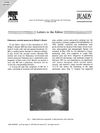
September 1999 in “Journal of the European Academy of Dermatology and Venereology”
3 citations
,
September 1999 in “Journal of the European Academy of Dermatology and Venereology” This article reviews pulmonary arterial aneurysms in Behçet's disease and cites previous case reports, but it presents no new data or clinical findings.
 10 citations
,
April 2020 in “Clinics in Dermatology”
10 citations
,
April 2020 in “Clinics in Dermatology” This case report describes a girl in China with biotinidase deficiency confirmed by genetic mutations, whose skin and hair symptoms improved with biotin therapy.
 July 2023 in “Annals of King Edward Medical University”
 This randomized clinical trial compared bimatoprost 0.03% solution and mometasone furoate 0.1% cream for treating alopecia areata in 60 patients, finding that mometasone furoate led to better hair regrowth, while both treatments showed significant effectiveness.
 March 2018 in “Gazi medical journal”
 This study found that adults with β-thalassemia major had a significantly higher prevalence of skin, hair, and nail disorders compared to healthy controls, influenced by factors like age, gender, and ferritin levels.
34 citations
,
April 1982 in “BMJ” 3 citations
,
January 2014 in “The Journal of Dermatology” This letter discusses a case of hapten-induced lymphadenosis benigna cutis following sensitization with squaric acid dibutylester for treating alopecia areata and reports no new clinical results.
July 2024 in “Journal of Investigative Dermatology” This study suggests that macrophages, especially CD206+ subsets, play a key role in hair growth induced by squaric acid dibutyl ester, a therapy used for alopecia areata.
 15 citations
,
November 2009 in “Clinical and Experimental Dermatology”
15 citations
,
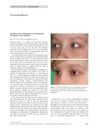
November 2009 in “Clinical and Experimental Dermatology” This case study describes a 16-year-old girl with alopecia areata affecting her eyelashes and eyebrows, who showed very limited response to treatment with topical mometasone furoate and subsequent partial hair loss upon stopping the treatment.
 3 citations
,
January 2017 in “Journal of Pakistan Association of Dermatology”
3 citations
,
January 2017 in “Journal of Pakistan Association of Dermatology” This study reported that scabies was the most common skin disease among patients at the outpatient department of BISD in 2002, followed by eczema and fungal infections.
14 citations
,
June 2021 in “British Journal of Dermatology” This article discusses the BIOMAP consortium's efforts in standardizing data for atopic dermatitis and psoriasis research to facilitate personalized medicine, but it presents no new research findings.
4 citations
,
July 2019 in “Clinical and experimental dermatology” This abstract does not provide specific study results or findings, but it notes that the publisher is not responsible for the supplemental content's accuracy and functionality, directing any queries to the article's corresponding author.
This study found that Heated radish extract potently suppressed melanin production in vitro and reduced wrinkle formation and collagen degradation in vivo, suggesting its potential as a skin whitening and antiaging product.
11 citations
,
May 2021 in “Asian Journal of Pharmaceutical and Clinical Research” This review summarizes the phytomedicinal importance of Eclipta alba in Ayurvedic and folk medicine, particularly its use for hair growth and various biological properties, without reporting new clinical results.
11 citations
,
March 2018 in “Journal of cosmetic and laser therapy” In this study, pneumatic injections of non-cross-linked hyaluronic acid were associated with improvements in skin texture, pores, wrinkles, and transepidermal water loss in healthy female volunteers.
1 citations
,
April 2024 in “The Journal of Dermatology” This case study reports that a woman with epidermolysis bullosa acquisita experienced severe cicatricial alopecia and total nail loss after discontinuing treatment for two years, highlighting the potential for serious effects if the condition is not managed.
 December 2024 in “Turkish Society of Clinical Biochemistry”
 This study found that women with idiopathic hyperandrogenemia had higher urinary Bisphenol A levels compared to healthy controls, suggesting a potential role of this chemical in the condition.
 3 citations
,
March 2017 in “International Journal of Ayurvedic Medicine”
3 citations
,
March 2017 in “International Journal of Ayurvedic Medicine” This review discusses the ethnomedicinal claims, chemical composition, and pharmacological profile of Eclipta alba Hassk., reporting no new clinical results but suggesting future research for traditional medicine validation.
 March 2024 in “Journal of drugs in dermatology”
 This study evaluated the safety and effectiveness of HASHA, a new hyaluronic acid injectable, for chin augmentation in adults with chin retrusion. HASHA significantly improved chin appearance and satisfaction over 12 months compared to controls, with only mild or moderate transient adverse events.
12 citations
,
January 1991 in “Acta Dermato Venereologica” The researchers reported that BCE-like changes overlying dermatofibroma show a differentiation pattern most similar to normal basal cells based on specific keratin markers.
 June 2026 in “International Journal of Homoeopathic Sciences”
 This case report from Dr Batra's® Homeopathy Clinic describes a 51-year-old male with chronic facial melasma, where individualized homeopathic treatment and integrative skin therapies led to sustained improvement in pigmentation, complexion, and skin texture over time.
January 2018 in “International Journal of Medical Reviews and Case Reports” This study found that a 12-week topical application of bimatoprost 0.03% significantly increased the diameter of vellus hairs in patients with androgenic alopecia.