3 citations
,
August 2024 in “Dermatology and Therapy” This review highlights preclinical and clinical advancements in gene and cell therapies for epidermolysis bullosa and ichthyosis, noting a recently FDA-approved gene therapy for recessive dystrophic EB.
 20 citations
,
June 2010 in “Genes and Immunity”
20 citations
,
June 2010 in “Genes and Immunity” This study found distinct gene expression patterns in the blood of alopecia areata patients, suggesting involvement of immune processes and new pathways like Wnt signaling and apoptosis in disease pathogenesis.
14 citations
,
June 2021 in “British Journal of Dermatology” This article discusses the BIOMAP consortium's efforts in standardizing data for atopic dermatitis and psoriasis research to facilitate personalized medicine, but it presents no new research findings.
33 citations
,
October 2012 in “Journal of Morphology” This study identified the distribution of keratin-associated proteins during cornification in the epidermis of reptiles, revealing unique structural characteristics in sauropsid keratin proteins compared to other vertebrates.
11 citations
,
January 2010 in “Dermatology Research and Practice” This review discusses the development of human skin with a focus on desmosomes, noting the challenges of translating animal model findings to humans due to species differences and limited human sample access.
 508 citations
,
February 2007 in “Cell”
508 citations
,
February 2007 in “Cell” This article reviews the biology of epithelial stem cells and their role in tissue self-renewal, maintenance, and regeneration, and it highlights the clinical implications of understanding their signaling pathways, but it presents no new clinical findings.
April 2023 in “Journal of Investigative Dermatology” This study suggests that monitoring CD8+ TEMRA cells in patients with rapidly progressive alopecia areata treated with intravenous corticosteroids could help predict therapeutic outcomes.
This study found that patients with alopecia areata, particularly those with severe cases, exhibit significant systemic immune dysregulation, including altered cell communication networks and epigenetic remodeling in immune cells, suggesting potential pathways for therapeutic targeting.
This study found that expressions of TLR-3, TLR-7, TLR-8, and TLR-9 were significantly higher in alopecia areata patients compared to healthy controls, indicating a potential role in disease autoimmunity.
42 citations
,
January 2003 in “International Journal of Gynecological Pathology” This research observed that multifocal pseudoepitheliomatous hyperplasia may explain some cases of squamous nests in vulvar lichen sclerosus with lichen simplex chronicus, potentially as a reaction to tissue damage rather than squamous cell carcinoma.
20 citations
,
November 2003 in “American Journal Of Pathology” Fibroblasts from healthy donors can prevent changes seen in recessive epidermolysis bullosa simplex.
22 citations
,
March 2023 in “Bioengineering” This review discusses stem cell therapy as a promising treatment for epidermolysis bullosa, highlighting preliminary successes in treating skin lesions but noting the need for further research on effectiveness and safety.
28 citations
,
September 2013 in “European Journal of Histochemistry” This study demonstrates a varied distribution of keratins in the epidermis of the Malayan pangolin, suggesting evolutionary adaptations related to their distinctive scales.
27 citations
,
August 2021 in “Journal of Autoimmunity” This study found that human dermal γδT-cells can act as stress sentinels and potentially trigger autoimmune responses toward stressed hair follicles, resembling features of alopecia areata.
 417 citations
,
September 2005 in “PLoS biology”
417 citations
,
September 2005 in “PLoS biology” This study developed molecular signatures for dermal papilla cells and their niche, uncovering novel signaling regulators and genes linked to hair disorders, which may inform future hair development research.
 2 citations
,
July 2022 in “Dermatology Reports”
2 citations
,
July 2022 in “Dermatology Reports” This case study describes a 23-year-old woman with erosive pustular dermatosis of the scalp who later developed multiple sclerosis, suggesting a possible shared immunological etiology involving neutrophil hyperactivation.
 April 2023 in “The journal of investigative dermatology/Journal of investigative dermatology”
 This study found that HPV8-induced actinic keratoses may mechanistically involve Lrig1+ hair follicle keratinocyte stem cells, with the E6 gene promoting downstream STAT3 activity in a mouse model.
5 citations
,
February 2014 in “PloS one” This study reports differential gene expression in the leading edge and inner surface epithelial cells of murine eyelids, suggesting that distinct signaling pathways are active during embryonic eyelid closure.
372 citations
,
December 2004 in “Nature Genetics”  May 2017 in “Journal of The American Academy of Dermatology”
 PLAU and SerpinB2 affect cell death differently in various forms of leprosy and could be targets for new treatments.
63 citations
,
July 2006 in “British Journal of Dermatology” This study found that keratin K17 is induced in the suprabasal layer of psoriatic scalp epidermis during epidermal hyperproliferation, suggesting it is not specific to hair follicles.
54 citations
,
January 1986 in “Medical clinics of North America/The Medical clinics of North America” This study reviewed pathology reports of patients with multiple myeloma and found that skin biopsies commonly show graft-versus-host disease, drug-related lesions, and Sweet's syndrome, especially related to transplantation timing.
17 citations
,
April 2013 in “Experimental and Therapeutic Medicine” This study found that anti-Sjögren's syndrome type B antibodies are highly specific for diagnosing systemic lupus erythematosus and are associated with several clinical symptoms, including cheek erythema and alopecia.
 May 2026 in “Journal of Health and Allied Sciences NU”
 This study concluded that human epidermal stem cells cultured in MEM-α and EpiLife media with growth factors show high proliferation potential and plasticity, suggesting potential use in skin regenerative medicine.
January 2026 in “Acta Dermato Venereologica” This source reports that four weeks of dupilumab treatment led to notable improvement in skin lesions, including multiple erythematous patches and papules on the face, back, and limbs.
138 citations
,
December 1976 in “Journal of Biological Chemistry” This study purified a transglutaminase enzyme from human epidermis that requires calcium or strontium for activity and forms cross-linked polymers, but its detailed activation mechanism remains unclear.
28 citations
,
January 2009 in “Journal of Investigative Dermatology” Stem cells in eccrine glands could be used for regenerative medicine.
16 citations
,
June 1992 in “Journal of Investigative Dermatology” 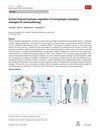
This review highlights that surface mechanical regulation can program macrophage behavior through specific mechanical cues on material surfaces, potentially advancing immunotherapies and regenerative medicine by enabling precise control over macrophage functions.
September 2006 in “Experimental Dermatology” This review discusses the genetic pathways involved in melanoma and suggests that targeting these pathways with pharmacological inhibitors may provide a new therapeutic approach, though clinical results have been disappointing so far.