 10 citations
,
January 1994 in “Advances in pharmacology”
10 citations
,
January 1994 in “Advances in pharmacology” This review examines the role of topoisomerase-interacting drugs in cancer treatment and emphasizes the importance of understanding their mechanisms for clinical development, but it presents no new results.
 11 citations
,
February 2016 in “Current Medicinal Chemistry”
11 citations
,
February 2016 in “Current Medicinal Chemistry” This review discusses various targets for treating prostate cancer and benign prostatic hyperplasia and reports on recent studies of new compounds and 5α-reductase inhibitors, but provides no new experimental results.
91 citations
,
April 2006 in “PubMed” This review summarizes adverse events associated with EGFR-targeting cancer therapies, such as skin rashes and lung disease, and reports no new clinical results.
8 citations
,
March 2023 in “Polymers” This study suggests that a chitosan-coated omeprazole-loaded nanoemulgel formulation may effectively treat certain skin infections due to its demonstrated antimicrobial properties and enhanced antibacterial activity.
22 citations
,
September 2022 in “International Journal of Nanomedicine” CUR-loaded micelles improve skin delivery and effects of curcumin for pain and infections.
 7 citations
,
December 2021 in “Pharmaceutics”
7 citations
,
December 2021 in “Pharmaceutics” This review examines the anti-alopecia effects of plant-derived phytochemicals and their mechanisms for promoting hair growth, but it reports no new clinical findings.
 39 citations
,
June 2019 in “Toxins”
39 citations
,
June 2019 in “Toxins” This review explores the therapeutic potential of bee venom for treating various skin diseases, discussing its mechanisms and effects but reports no new clinical findings.
 2 citations
,
January 2021 in “Turkiye Klinikleri Journal of Internal Medicine”
2 citations
,
January 2021 in “Turkiye Klinikleri Journal of Internal Medicine” This study outlines the temporary or sometimes permanent hair loss caused by cancer treatments, noting it often starts 2-3 weeks after chemotherapy and highlights the need for more research into prevention and treatment strategies for therapy-related alopecia.
 December 2024 in “International Journal of Research in Ayurveda and Pharmacy”
 This review highlights the potential benefits of Sowbhagya Chundi Legiyam, a Siddha herbal formulation containing Zingiber officinale, for supporting women's health during the puerperal period, suggesting it may strengthen the uterus and prevent diseases due to improper postnatal care.
 44 citations
,
September 2014 in “Cell Death & Differentiation”
44 citations
,
September 2014 in “Cell Death & Differentiation” This review discusses the role of tumor suppressors in controlling tumor-associated inflammation and suggests that targeting this inflammation may counteract the effects of tumor suppressor loss.
 10 citations
,
July 2022 in “Journal of Medicinal Chemistry”
10 citations
,
July 2022 in “Journal of Medicinal Chemistry” This article discusses the potential for combining PROTACs with other therapeutic modalities in drug discovery and reports no clinical results.
 1 citations
,
November 2023 in “Naunyn-Schmiedeberg's archives of pharmacology”
1 citations
,
November 2023 in “Naunyn-Schmiedeberg's archives of pharmacology” This review focused on the bioactive compounds and pharmacological properties of Lawsonia inermis (henna) and found that it contains various beneficial compounds with potential therapeutic applications, such as antioxidant and anti-inflammatory effects, indicating a need for further investigation into its medical benefits.
July 2025 in “Ultrasound in Medicine & Biology” This study found that nanobubble-encapsulated diclofenac with ultrasound-targeted microbubble destruction (DNBs-UTMD) can enhance the anti-tumor efficacy of Doxil® by regulating the tumor immune microenvironment, improving drug uptake, and increasing T cell responses while reducing immune-suppressive cells in the process.
 18 citations
,
February 2023 in “PLoS ONE”
18 citations
,
February 2023 in “PLoS ONE” This study developed a triple drug delivery system using nanoparticles loaded with 5-fluorouracil, curcumin, and piperine to target breast tumors, demonstrating notable in vitro cytotoxicity and anti-metastatic potential in 3D tumor spheroids which suggests its promise for further preclinical evaluation.
 2 citations
,
January 2014 in “Journal of clinical and investigative dermatology”
2 citations
,
January 2014 in “Journal of clinical and investigative dermatology” This article reviews TNF-α inhibitor-induced alopecia, identifying various types of hair loss such as severe alopecia areata and scarring alopecia, and calls for more controlled studies to better understand this adverse effect.
 June 2014 in “Basic & Clinical Pharmacology & Toxicology”
 This study found that alkaloids isolated from Cucumis metuliferus fruit pulp demonstrated antiviral activity against IBDV in chicken embryo fibroblast cells and NDV in 10-day-old embryonated chicken eggs, while being non-cytotoxic.
1 citations
,
September 2021 in “Pharmaceutics” In this study, finasteride was shown to inhibit glioma stem-like cells and reduce glioblastoma proliferation, suggesting its potential as an anti-glioblastoma drug.
 March 2024 in “International Research Journal Of Modernization In Engineering Technology And Science”
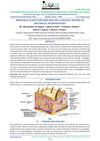
 This review highlights the beneficial effects of certain herbal drugs in treating skin diseases, such as their healing, antifungal, antiviral, antibacterial, anti-inflammatory, and antitumor-promoting activities, emphasizing recent technical advancements in the field over the past 17 years.
2 citations
,
April 2024 in “Journal of Dermatological Science” This study suggests that the MLKL-targeting inhibitor Necrosulfonamide promotes hair growth and counteracts DHT inhibition by activating Wnt signaling in hair follicle cells, revealing potential avenues for anti-alopecia drug development.
43 citations
,
March 2017 in “Drug Design Development and Therapy” The researchers reported that a new nanoformulation of paclitaxel-loaded nanoparticles showed superior antitumor effects against malignant melanoma in vitro and in vivo compared to the commercial formulation Taxol®.
 21 citations
,
May 1989 in “Advanced Drug Delivery Reviews”
21 citations
,
May 1989 in “Advanced Drug Delivery Reviews” This review discusses the enhanced permeability and retention (EPR) effect as a mechanism for targeted drug delivery in cancer therapy and reports no new clinical results.
 6 citations
,
May 1986 in “Cancer Chemotherapy and Pharmacology”
6 citations
,
May 1986 in “Cancer Chemotherapy and Pharmacology” The drug TGU was ineffective against small cell lung cancer and caused significant bone marrow suppression.
 14 citations
,
August 2021 in “Diabetes, Metabolic Syndrome and Obesity: Targets and Therapy”
14 citations
,
August 2021 in “Diabetes, Metabolic Syndrome and Obesity: Targets and Therapy” This research discusses the potential antitumor effects of metformin, a common diabetes medication, noting its controversial influence on different malignant tumors and its uncertain mechanisms. Understanding these effects on tumors may aid in the development of new cancer treatments.
8 citations
,
November 2025 in “Journal of Translational Medicine” This review highlights challenges in developing drugs targeting the Wnt/β-Catenin signaling pathway for cancer due to its complexity and essential roles in normal tissue. It explores targeted protein degradation technology as a promising strategy to overcome these challenges, suggesting potential new avenues for drug development.
 305 citations
,
July 2016 in “International Journal of Biological Macromolecules”
305 citations
,
July 2016 in “International Journal of Biological Macromolecules” This review describes the roles of polysaccharides in antitumor, antiviral, and anti-inflammatory activities and introduces methods for their isolation and purification, reporting no new research results.
2 citations
,
March 2025 in “Nanoenergy Advances” This review examines recent advances in bioelectronic nanogenerators for anti-cancer therapy, highlighting various transducing strategies such as photodynamic therapy and electrical stimulation, while also discussing the potential mechanisms for tissue repair and the challenges that lie ahead.
 June 2026 in “Current Oncology Reports”
 This review highlights the potential of Sacituzumab Tirumotecan, an antibody-drug conjugate, in treating gynecologic cancers, with ongoing Phase III trials indicating a manageable safety profile and future results expected to shed light on its effectiveness in improving survival and response rates.
 209 citations
,
March 1989 in “Journal of The American Academy of Dermatology”
209 citations
,
March 1989 in “Journal of The American Academy of Dermatology” This study found that recombinant human leukocyte interferon alfa-2a achieved a 64% overall antitumor response rate in patients with early and advanced cutaneous T cell lymphoma and was generally well-tolerated.
23 citations
,
December 2013 in “Molecules” This study found that the evodiamine derivative 2-16 exhibited the highest antitumor activity and a broad spectrum of activity against various human cancer cell lines, with improved solubility.
 March 2023 in “Scientific Reports”
 In this rodent model study, the researchers reported that using low-intensity focused ultrasound with phenytoin enhanced its anti-epileptic efficacy by disrupting plasma protein binding in a region-specific manner, reducing seizure frequency and duration.