 55 citations
,
November 2004 in “Expert opinion on drug safety”
55 citations
,
November 2004 in “Expert opinion on drug safety” This review describes the variety of mucocutaneous side effects caused by antineoplastic chemotherapy, with emphasis on skin, nails, and mucous membranes, while highlighting potential severity and the possibility of needing to adjust or interrupt treatment in rare cases; it presents no new clinical results.
1 citations
,
January 2024 in “Revista CUIDARTE” This abstract discusses research into various interventions like acupressure, massage, and music therapy for managing secondary symptoms such as nausea, pain, and neuropathy. The authors emphasized the need for standardizing these interventions and their outcome measurements.
June 2023 in “Revista de Ciências Médicas e Biológicas” This study examined current literature and recommendations for preventing and treating skin lesions induced by chemotherapy, highlighting common dermatological issues such as discoloration, pruritus, and alopecia, and noting that specific treatments can alleviate these problems to improve patients' skin integrity, self-esteem, and quality of life.
 7 citations
,
November 2021 in “Anais Brasileiros de Dermatologia”
7 citations
,
November 2021 in “Anais Brasileiros de Dermatologia” This retrospective study found a variety of dermatological adverse events associated with antineoplastic treatments, often leading to changes or suspension of cancer therapies in affected patients.
January 2013 in “Refubium (Universitätsbibliothek der Freien Universität Berlin)” In this study of women with breast cancer, chemotherapy led to temporary alopecia and altered hair characteristics, impacting quality of life, while Tamoxifen showed minimal hair density changes.
2 citations
,
January 2016 in “SANGYO EISEIGAKU ZASSHI” This study found that nearly all nurses caring for chemotherapy patients showed detectable levels of cyclophosphamide in their urine, indicating significant occupational exposure to this antineoplastic drug.
 63 citations
,
March 1995 in “International Journal of Dermatology”
63 citations
,
March 1995 in “International Journal of Dermatology” Some drugs can cause hair loss, and stopping these drugs often leads to hair regrowth.
5 citations
,
January 2024 in “Egyptian Dental Journal /Egyptian Dental Journal” This study discusses various anti-cancer therapies, including chemotherapy and immunotherapy, emphasizing the challenges in classifying these medications due to their diverse chemical compositions, mechanisms of action, and effectiveness against different types of cancer.
May 2023 in “Advanced medical journal” In this study, researchers found that hair changes, particularly anagen effluvium, were the most common mucocutaneous side effects in cancer patients undergoing chemotherapy, occurring in 31.71% of cases, followed by skin, nail, and mucosal changes, highlighting the morbidity associated with antineoplastic drug side effects.
 June 2023 in “Revista médica hondureña”
 In this study conducted at the Pediatric Hematology-Oncology Ward, 65% of hospitalized pediatric cancer patients developed dermatological lesions, predominantly alopecia and mucositis, possibly due to the administration of plant alkaloid chemotherapy, consistent with existing literature.
January 2016 in “한국공업화학회 연구논문 초록집” This study modified nanocomposites with citric acid and hydrazine for potential dual use in cancer imaging and treatment, suggesting they might reduce side effects of traditional chemotherapy.
 14 citations
,
October 2003 in “Annals of Oncology”
14 citations
,
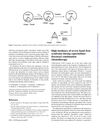
October 2003 in “Annals of Oncology” In this study, the researchers observed that the severity of capecitabine-induced hand-foot syndrome in advanced gastric cancer patients was not linked to the IVS14+1G→A mutation in the DPYD gene.
 January 2026 in “Frontiers in Pharmacology”
 This pharmacovigilance study identified 19 drugs with high potential risk for causing male infertility, including hormonal agents, antineoplastic drugs, and antidepressants, emphasizing the need for fertility counseling and possible sperm cryopreservation in reproductive-age males before using such treatments.
 18 citations
,
December 1996 in “Seminars in Cutaneous Medicine and Surgery”
18 citations
,
December 1996 in “Seminars in Cutaneous Medicine and Surgery” This article reviews adverse skin reactions caused by chemotherapy and cytokine treatments, describing specific and nonspecific reactions, but reports no new clinical findings.
 43 citations
,
June 2012 in “Lasers in Medical Science”
43 citations
,
June 2012 in “Lasers in Medical Science” In a rat model of chemotherapy-induced alopecia, this study found that low-level laser treatment significantly accelerated hair regrowth without affecting the efficacy of chemotherapy.
 3 citations
,
July 2018 in “Cureus”
3 citations
,
July 2018 in “Cureus” This case study reports that a woman with breast cancer experienced persistent alopecia after taxane chemotherapy and endocrine therapy, and significant improvement was seen with topical minoxidil.
 172 citations
,
November 1983 in “Journal of The American Academy of Dermatology”
172 citations
,
November 1983 in “Journal of The American Academy of Dermatology” This article discusses the cutaneous side effects of various chemotherapeutic agents but reports no new clinical results; the authors emphasize the importance of dermatologists recognizing drug-induced skin reactions to better patient care.
 141 citations
,
September 2016 in “European Journal of Dermatology”
141 citations
,
September 2016 in “European Journal of Dermatology” This review examines dermatological side effects of taxane chemotherapy reported in past studies and highlights the necessity for identifying and managing these conditions to maintain cancer patients' quality of life; it presents no new clinical results.
 16 citations
,
October 2012 in “British Journal of Dermatology”
16 citations
,
October 2012 in “British Journal of Dermatology” Chemotherapy can cause significant hair thinning and changes in hair texture, while tamoxifen has a smaller effect.
 8 citations
,
September 2015 in “Journal of the European Academy of Dermatology and Venereology”
8 citations
,
September 2015 in “Journal of the European Academy of Dermatology and Venereology” This study observed that hair and scalp sensations were significantly more common and intense in chemotherapy patients compared to those receiving tamoxifen, with sensations ceasing after 11 weeks.
 7 citations
,
September 2006 in “Clinical lymphoma & myeloma”
7 citations
,
September 2006 in “Clinical lymphoma & myeloma” This review discusses various treatment challenges and toxicities in patients with relapsed follicular lymphoma and suggests that novel therapies could improve outcomes by reducing exposure to harmful chemotherapy cycles.
 1 citations
,
May 2021 in “Scientific Reports”
1 citations
,
May 2021 in “Scientific Reports” This study identified several anticancer drugs, including vinblastine and bortezomib, that significantly increase the risk of developing chemotherapy-induced peripheral neuropathy, with variations in time-to-onset among different drug categories.
 1 citations
,
July 2020 in “Bezmialem science”
1 citations
,
July 2020 in “Bezmialem science” This study found that reflexology massage significantly improved hair regrowth in women with chemotherapy-induced alopecia compared to those receiving usual care.
 104 citations
,
January 2014 in “Journal of Clinical and Experimental Dentistry”
104 citations
,
January 2014 in “Journal of Clinical and Experimental Dentistry” This review outlines the oral toxic effects of chemotherapy and stresses the need for evaluating dental health prior to treatment to mitigate these complications, but it reports no new clinical results.
 January 2014 in “Journal of Clinical and Investigative Dermatology”
 This study observed that young rat models, with naturally synchronized hair growth phases, developed total alopecia after chemotherapy and may serve as a better model for testing CIA protective treatments compared to adult rats.
 275 citations
,
March 1999 in “Journal of The American Academy of Dermatology”
275 citations
,
March 1999 in “Journal of The American Academy of Dermatology” This review elaborates on the skin side effects of chemotherapy and emphasizes identifying and managing both common and life-threatening skin reactions, without presenting new clinical findings.
 39 citations
,
January 1994 in “European Journal of Cancer”
39 citations
,
January 1994 in “European Journal of Cancer” In this study, scalp hypothermia with the Theracool™ cooling machine was largely ineffective for preventing alopecia in breast cancer patients undergoing a chemotherapeutic regimen including cyclophosphamide and anthracyclines.
 24 citations
,
November 2013 in “British Journal of Dermatology”
24 citations
,
November 2013 in “British Journal of Dermatology” This study found that chemotherapy in female breast cancer patients caused significant early hair loss, which began to recover three months after completion, whereas tamoxifen did not affect hair growth.
 8 citations
,
April 2011 in “Surgery today”
8 citations
,
April 2011 in “Surgery today” This study found that sodium zinc dihydrolipoylhistidinate reduced chemotherapy-induced hair loss in rats, suggesting its potential as a treatment for this side effect.
 1 citations
,
September 2024 in “International Journal of Advanced Multidisciplinary Research and Studies”
1 citations
,
September 2024 in “International Journal of Advanced Multidisciplinary Research and Studies” This study observed that 100% of cancer patients at Dr. Moewardi Surakarta Hospital receiving carboplatin-paclitaxel chemotherapy experienced grade 2 alopecia as an adverse drug reaction.