 December 2025 in “Frontiers in Nutrition”
 This review suggests that although hydrolyzed collagen peptides with certain supplements may improve skin elasticity and joint function, evidence for collagen's anti-aging and regenerative benefits remains inconsistent.
January 2025 in “Universitätsbibliothek Stuttgart” This article reviews the current challenges, innovations, and prospects of cosmetics designed to prevent hair loss and encourage hair growth, highlighting evolving technologies like gene therapy and the need for multidisciplinary approaches.
December 2025 in “Dietetics” This paper reviewed studies from 2019 to 2025 on the use of olive oil and other derivatives from the European olive tree for skin, hair, and nail care, noting their roles in wound healing and skin aging while highlighting a favorable safety profile.
 47 citations
,
November 2021 in “Advanced Functional Materials”
47 citations
,
November 2021 in “Advanced Functional Materials” This study introduces a novel chitosan-based hydrogel containing cinnamaldehyde-tannic acid-zinc acetate nanospheres, which reportedly enhances wound healing by promoting antibacterial, antioxidant, and anti-inflammatory effects.
 4 citations
,
August 2023 in “Materials”
4 citations
,
August 2023 in “Materials” This review highlights that synthetic biodegradable polymers like PVA, PCL, PLA, PLGA, PU, and PEO/PEG can address the limitations of natural polymers in wound healing, offering improved mechanical properties and slower degradation, thereby enhancing their application as wound dressings.
 May 2023 in “Materials research foundations”
 The researchers highlighted that using nanomaterials for wound care could significantly improve healing by delivering antibacterial, antifungal, and anti-inflammatory effects, and may potentially reduce the economic burden associated with wound treatment.
January 2025 in “Journal of Inorganic Materials” This review highlights how silicate-based bioceramics and bioglasses could enhance skin regeneration for wound healing by promoting angiogenesis, stimulating collagen deposition, and providing anti-infection benefits, while also examining their integration with emerging technologies and current applications.
 February 2026 in “Frontiers in Materials”
 In this study, researchers developed iron-curcumin-coordinated nanoparticles to enhance curcumin's bioavailability and therapeutic effects, finding that these nanoparticles accelerate wound healing in diabetic mice by reducing inflammation and oxidative stress more effectively than free curcumin.
 July 2026 in “Zenodo (CERN European Organization for Nuclear Research)”
 This study formulated and evaluated a herbal shampoo using ingredients like Neem, Shikakai, and Aloe vera, finding it to have good cleansing action, suitable scalp pH, stability, and beneficial phytoconstituents for conditioning and scalp health, without harsh synthetic chemicals.
 July 2026 in “Zenodo (CERN European Organization for Nuclear Research)”
 This study formulated and evaluated a herbal shampoo using ingredients like Neem, Aloe vera, and Hibiscus, finding it had good foaming ability, suitable cleansing action, and stability, positioning it as a safe and eco-friendly alternative to synthetic shampoos.
 April 2024 in “Frontiers in pharmacology”
 This review of Cynoglossum amabile, a traditional Chinese and ethnomedicine, provides insights into its uses, chemical components, biological activities, and toxicity. Highlighting its market potential, the study underscores the importance of indigenous knowledge in drug development despite noted hepatotoxic risk linked to its pyrrolizidine alkaloids.
 May 2021 in “Austin journal of pharmacology and therapeutics”
 This study explores the medicinal and environmental applications of Physalis species, highlighting the wound healing properties of Physalis angulata L. and the antibacterial and antitumor activities of its fruit extracts.
 7 citations
,
January 2007 in “Elsevier eBooks”
7 citations
,
January 2007 in “Elsevier eBooks” This article reviews the composition and functionality of shampoos, emphasizing the role of surfactants in cleaning and conditioning hair, and reports no new experimental results.
This review found that exposure to pollutants like PM, NOx, and PAHs is linked to various skin and hair disorders, indicating a need for cosmetics with natural adsorbents to reduce pollutant effects, achieving 30-55% removal efficiency.
January 2024 in “Journal of chemical health risks” In this study, a multifunctional aloin-arginine-alginate bio-patch was developed, which transforms into a hydrogel to accelerate wound healing and offers antibacterial and anti-inflammatory benefits, making it promising for use in cutaneous regeneration.
 February 2023 in “Aesthetic Cosmetology and Medicine”
 This review examines the health-promoting effects of medicinal plants used in nutricosmetics, highlighting their beneficial impact on skin physiology, but offers no new clinical results.

This study found that pectin lyase-modified red ginseng extract (GS-E3D) may promote hair growth by enhancing antioxidant and anti-inflammatory effects, proliferating hair dermal papilla cells, and inhibiting 5α-reductase activity.
 July 2025 in “JUNIOR RESEARCHERS”
 This review found that prolonged use of face masks during the COVID-19 pandemic increased the incidence of facial skin conditions like maskne and dermatitis, particularly affecting women and young people, and suggests prevention and management strategies including skincare routines, mask material choice, and therapeutic approaches.
5 citations
,
March 2018 in “CRC Press eBooks” This book explores various healthcare solutions derived from marine materials, covering topics like anticancer, anti-aging, and antioxidant benefits provided by substances like chitosan, marine algae, and fisheries products, as reported in the chapters reviewed by P.N. Sudha from DKM College for Women.
39 citations
,
January 2010 in “Trends in Parasitology” This opinion article explores the possibility of repurposing anticancer drugs, like methotrexate, as antimalarials, highlighting that toxicity might be manageable with appropriate dosing according to Paracelsus' law.
 9 citations
,
May 2017 in “Universal journal of pharmaceutical research”
9 citations
,
May 2017 in “Universal journal of pharmaceutical research” This review discusses the chemical constituents and pharmacological activities of Glycyrrhiza glabra Linn, highlighting its potential antibacterial, antioxidant, antimalarial, and anti-inflammatory properties without presenting new experimental results.
July 2025 in “Malaria Journal” This study suggests that while Nanostring profiling identifies important processes in resolving MA-ARDS, solely targeting late-stage resolution by altering SPM production is not enough. The researchers conclude that combining multi-targeted adjunctive therapies with antimalarial drugs may be necessary to enhance survival and recovery.
April 2026 in “Advanced Healthcare Materials” In this study, researchers tested detachable microneedles with chitin derivatives in a mouse model of androgenic alopecia, finding them to induce greater hair regrowth than 5% minoxidil, while also positing these materials as safe and cost-effective alternatives for hair loss treatment.
 30 citations
,
June 2015 in “South African journal of botany”
30 citations
,
June 2015 in “South African journal of botany” This study documented 70 plant species used by traditional healers in Namibia to manage AIDS-related opportunistic diseases and highlighted the need for further research on their anti-HIV properties and potential over-exploitation.
17 citations
,
September 2024 in “Cosmetics” This study assessed the antioxidant properties and contents of carotenoids and chlorophylls in 10 plant oils, finding fenugreek seed oil to be highest in carotenoids and pomegranate oil most active against free radicals, highlighting their potential as natural materials with antioxidant benefits.
 January 2025 in “Journal of Pharmacognosy and Phytochemistry”
 In this study, the researchers investigated the plant Vitex negundo and its active ingredients, noting that both natural and synthetic derivatives exhibit concentrated biological activity, which may explain the plant's traditional use in treating various ailments such as depression, malaria, and skin diseases.
 September 2023 in “Ethiopian journal of health sciences”
 This study evaluated the effects of dry plantain leaf extract on mice infected with Plasmodium berghei, finding that the extract reduced liver oxidative stress associated with the infection.
 4 citations
,
August 2021 in “Annals of Translational Medicine”
4 citations
,
August 2021 in “Annals of Translational Medicine” In this study, dihydroartemisinin reduced prostate enlargement and related markers in a rat model of benign prostatic hyperplasia, suggesting its potential as a therapeutic agent.
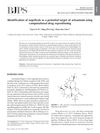 January 2017 in “Brazilian Journal of Pharmaceutical Sciences”
 This study identified neprilysin as a potential target of the pharmacological agent arteannuin, which may guide future research into its clinical applications, although experimental verification is needed.
4 citations
,
October 2020 in “Actas Dermo-Sifiliográficas” This review examines the use of commonly used dermatological drugs like chloroquine, hydroxychloroquine, ivermectin, antiandrogens, and melatonin in COVID-19 treatment, but reports no new clinical findings.