 6 citations
,
May 2008 in “Current Opinion in Oncology”
6 citations
,
May 2008 in “Current Opinion in Oncology” This review covers recent advances in prostate cancer risk assessment, diagnosis, and treatment but does not report new clinical results; further studies on androgen deprivation therapy's cardiovascular risks are particularly noted.
November 2024 in “Rheumatology Advances in Practice” This case report highlights a rare instance of visceral leishmaniasis presenting as seropositive rheumatoid arthritis in a patient with HIV, emphasizing the importance of considering chronic infections as a differential diagnosis in inflammatory arthritis, especially in diverse populations with a history of travel.
March 2005 in “Journal of the American Academy of Dermatology” Recognizing minor skin lesions can help identify serious cancer syndromes.
1 citations
,
November 2024 in “Neuro-Oncology” This case report highlights the rare occurrence of life-threatening aplastic anemia in a 65-year-old woman treated with temozolomide for glioblastoma multiforme, emphasizing the need for more frequent blood monitoring to detect severe bone marrow suppression early.
 1 citations
,
September 2020 in “Pediatric Dermatology”
1 citations
,
September 2020 in “Pediatric Dermatology” In this case report, two adolescents developed androgenetic alopecia after treatment with anastrozole for idiopathic short stature, suggesting this potential side effect should be considered in pediatric patients using aromatase inhibitors.
3 citations
,
August 2018 in “Therapeutics and Clinical Risk Management” This case report discusses a young woman who developed bilateral osteonecrosis of the femoral head after corticosteroid treatment for alopecia areata, underscoring the risk of this complication in patients undergoing such therapy.
October 2025 in “F1000Research” In this case series, the authors reported that postmenopausal hyperandrogenism should be carefully evaluated to diagnose potential androgen-secreting tumors, with Sertoli-Leydig cell tumors identified as a common cause.
June 2025 in “American Journal of Dermatopathology” This case report describes a rare instance of sarcoidal granulomatous alopecia areata in a 42-year-old man, with histopathological findings suggesting inflammation but ruling out causes like tuberculosis and syphilis, resulting in treatment with tofacitinib.
8 citations
,
December 2007 in “Journal of Thoracic Oncology” Erlotinib can cause significant but temporary hair loss in lung cancer patients.
 4 citations
,
April 2016 in “Journal of The American Academy of Dermatology”
4 citations
,
April 2016 in “Journal of The American Academy of Dermatology” This case report details the first known instance of interferon-induced lichen planus in a seronegative HCV patient with metastatic renal cell carcinoma.
 21 citations
,
March 2015 in “Journal of The American Academy of Dermatology”
21 citations
,
March 2015 in “Journal of The American Academy of Dermatology” In this study, five out of six patients treated with vemurafenib for metastatic melanoma experienced hair loss, which improved after topical steroid treatment.
April 2020 in “International journal of reproduction, contraception, obstetrics and gynecology” This case study discussed a postmenopausal female with androgenic alopecia and hirsutism due to a Leydig cell tumor, suggesting the importance of further workup in women with severe hirsutism or androgenic alopecia.
August 2026 in “South Asian Journal of Health Sciences” In this case report, a 35-year-old man developed avascular necrosis after receiving intradermal corticosteroid injections for alopecia areata, marking the first documented instance of this side effect from such treatment.
 January 2024 in “Journal of surgical case reports”
 In this case study, researchers reported a 61-year-old postmenopausal woman with virilizing symptoms like hirsutism and voice deepening was found to have an androgen-secreting adrenal tumor, emphasizing the importance of considering this diagnosis in similar cases.
26 citations
,
October 2019 in “JNCI Cancer Spectrum” This clinical study observed that in patients with advanced breast cancer and BRCA1/2 mutations, talazoparib provided significantly better progression-free survival, objective response, clinical benefit, and patient-reported outcomes compared to physician’s choice chemotherapy, despite common side effects like anemia and fatigue.
 September 2022 in “Anais Brasileiros de Dermatologia”
 This case study reports a female adult patient with annular elastolytic giant cell granuloma on the scalp, observed through dermoscopy showing multiple yellowish/orange follicular dots against an erythemato-whitish background.

This study retrospectively analyzed 945 patients with head and neck cSCC to identify risk factors for recurrences, reporting treatment modality, tumor characteristics, and patient factors such as immunosuppression as strong predictors for loco-regional recurrences.
February 2019 in “Dermatologic Surgery” This abstract describes the Dermatologic Surgery journal, which publishes comprehensive and up-to-date information on various dermatologic surgery techniques such as cosmetic and reconstructive procedures, skin cancer surgeries, and more, making it a valuable resource for professionals in the field.
8 citations
,
August 2014 in “Journal of Clinical Oncology” This article explores the historical development and evolution of stereotactic radiosurgery (SRS) and stereotactic body radiation therapy (SBRT), emphasizing advancements in safety and technology, and reports no new clinical results.
 4 citations
,
May 2019 in “Journal of Clinical Oncology”
4 citations
,
May 2019 in “Journal of Clinical Oncology” This study found that cyclin-dependent kinase 4/6 inhibitors used for metastatic breast cancer caused alopecia resembling androgenetic alopecia, negatively impacting patients' quality of life, but topical minoxidil showed potential for improvement.
 September 2020 in “Acta Scientific Cancer Biology”
 This case report describes how personalized treatment based on Encyclopedic Tumor Analysis successfully led to durable regression in a woman with advanced pilomatrical carcinoma, unresponsive to standard care.
5 citations
,
March 2020 in “Thoracic Cancer” In this phase I study, CT-707, a new ALK inhibitor, showed a 77% response rate among Chinese patients with advanced ALK-rearranged non-small cell lung cancer, suggesting clinical effectiveness despite some adverse events like diarrhea and liver enzyme elevation.
36 citations
,
July 2004 in “Apmis” This review describes three mouse models using fluorescent proteins to image tumor angiogenesis in real-time, but reports no new clinical results.
 55 citations
,
March 2015 in “Carcinogenesis”
55 citations
,
March 2015 in “Carcinogenesis” This study found that WNT10A is significantly upregulated in human esophageal squamous cell carcinoma and is associated with enhanced tumor cell migration, invasion, and poor survival.
 9 citations
,
May 1989 in “Journal of the Royal Society of Medicine”
9 citations
,
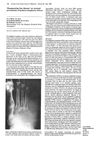
May 1989 in “Journal of the Royal Society of Medicine” An elderly woman's swollen, painful foot was found to be caused by a rare type of bone lymphoma, which improved with radiation treatment.
 13 citations
,
August 1980 in “Cancer”
13 citations
,
August 1980 in “Cancer” This study found that administering chemotherapy to premenopausal women with Stage II breast cancer significantly improved disease-free intervals and increased survival, while postmenopausal women receiving sufficient doses also saw prolonged disease-free periods.
June 2026 in “JAAD Case Reports” July 2019 in “Journal of the ASEAN Federation of Endocrine Societies” This case report describes a young woman with an adrenal oncocytic tumor of uncertain malignant potential, highlighting the need for ongoing surveillance due to possible malignancy.

In this study, researchers found that the health state utility of moderate facial angiofibroma in Tuberous Sclerosis Complex patients is significantly lower compared to almost-clear facial angiofibroma, indicating that treatment for the condition can substantially improve quality of life.
 2 citations
,
May 2018 in “Diagnosis”
2 citations
,
May 2018 in “Diagnosis” This case report presents a rare instance of an ovarian steroid cell tumor in a 68-year-old female with virilism, which normalized androgen levels following surgical removal.