 2 citations
,
April 2018 in “Journal of Investigative Dermatology”
2 citations
,
April 2018 in “Journal of Investigative Dermatology” This case study in a renal transplant patient observed that eruptive KA-type SCCs exhibited aggressive behavior and genetic expression changes following intralesional chemotherapy, indicating potential caution against routine use of such treatments in similar cases.
2 citations
,
March 2018 in “BMJ Case Reports” This case study describes an 88-year-old postmenopausal woman diagnosed with Sertoli-Leydig cell tumor, a rare ovarian cancer, highlighting the importance of checking hormone levels in similar unexpected cases.
1 citations
,
January 2012 in “Zhongguo shiyan fangjixue zazhi” This study found that adding Kang'ai injection to FLO chemotherapy for advanced gastric cancer improved clinical outcomes and quality of life while reducing side effects, compared to FLO chemotherapy alone.
2 citations
,
July 2023 in “AACE Clinical Case Reports” In this case study, researchers identified a Leydig cell tumor in a 56-year-old postmenopausal woman with virilization symptoms by using ovarian vein sampling, as imaging was nonrevealing, and confirmed the tumor's location using testosterone ratios, which supported previous findings.
January 2017 in “University journal of surgery and surgical specialities” This case study describes a rare steroid cell tumor of the ovary in a 42-year-old woman, highlighting its virilizing effects and the importance of thorough follow-up due to its potential for malignancy.
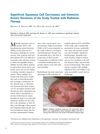 5 citations
,
May 2006 in “Dermatologic Surgery”
5 citations
,
May 2006 in “Dermatologic Surgery” This study found that a PEEP of 10 mbar for 2 hours did not adversely affect liver function or gastric mucosal perfusion in patients after cardiac surgery, as long as cardiac output was maintained.
 October 2022 in “Miscellaneous”
 This study documented a case of a 57-year-old woman with postmenopausal virilism due to a Sertoli-Leydig cell tumor, which improved after surgical treatment.
 4 citations
,
May 2014 in “European Journal of Dermatology”
4 citations
,
May 2014 in “European Journal of Dermatology” This study found that severe androgenetic alopecia was associated with metabolic syndrome components in male psoriatic patients, particularly those over 59 years old, suggesting the need for regular screening.
September 2022 in “Scientific Reports” This study found that scalp melanoma often occurs in areas with androgenetic alopecia, and patients without alopecia might experience a later diagnosis due to hair coverage, leading to potentially worse outcomes.
January 2020 in “Emergency Medicine News” This article discusses the clinical features, diagnosis, and management of acute radiation syndrome, using a case of a boy exposed to radioactive material in the desert, but reports no new research findings.
January 2025 in “ARC Journal of Urology” This review reports that treatments for urological cancers, such as chemotherapy and immunotherapy, often result in significant dermatological side effects that negatively affect patients' quality of life and treatment adherence, highlighting a need for better management strategies and further research.
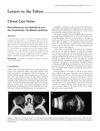 23 citations
,
February 2004 in “Clinical and Experimental Ophthalmology”
23 citations
,
February 2004 in “Clinical and Experimental Ophthalmology” This case report describes a 68-year-old woman with metastatic breast cancer who experienced significant improvement in visual acuity after stopping tamoxifen, which was associated with bilateral optic neuropathies.
 1 citations
,
July 2015 in “AACE clinical case reports”
1 citations
,
July 2015 in “AACE clinical case reports” This case report details a postmenopausal woman with hyperandrogenism due to both adrenal adenoma and ovarian hyperthecosis, highlighting the effectiveness of hormonal suppression and venous sampling for diagnosis.
 December 2024 in “JEADV Clinical Practice”
 This study found that male patients with androgenetic alopecia were associated with an increased risk of varicose veins, but not other major vascular diseases.
18 citations
,
July 2024 in “Frontiers in Immunology” This review explores the complex relationships between ferroptosis, anastasis, and chemoresistance in cancer therapy, highlighting the potential of combining ferroptosis with immunotherapy to overcome resistance and improve personalized cancer treatments.
October 2025 in “Journal of the Endocrine Society” This case report illustrates a rare instance of mixed germ cell tumor in the pituitary with hyperandrogenism, emphasizing the importance of thorough examination and hormone evaluation in identifying hormonal dysfunctions.
7 citations
,
January 2012 in “International Journal of Trichology” This report describes three patients with distinct conditions who exhibited rectangular-patterned occipital alopecia areata associated with their respective medical cases.
 February 2013 in “Journal of The American Academy of Dermatology”
 Hair loss is a common side effect of hormone treatments for cancer.
October 2025 in “Journal of the Endocrine Society” In this case report, hyperandrogenism, including hirsutism and elevated testosterone, in a post-menopausal woman on anastrozole for breast cancer may be attributed to the drug after ruling out other serious causes like ovarian hyperthecosis.
This case report suggests that scalp arteriovenous malformations can cause local hair loss, which may recover following ethanol embolization treatment.
 June 2015 in “Reactions Weekly”
 A man developed alopecia areata after starting cancer treatment with vandetanib.
 January 2023 in “Applied sciences”
 This study found that co-administering sasam-Kyeongokgo with gefitinib enhanced gefitinib's anti-tumor activity and exhibited favorable anti-cachexia effects in mice with non-small-cell lung cancer.
23 citations
,
September 2020 in “BMC Cancer” This retrospective cohort study found that patients using 5α-reductase inhibitors had reduced bladder cancer-related mortality compared to nonusers, with no significant effect on bladder cancer recurrence or upper tract urothelial carcinoma mortality.
 March 2015 in “Polish Journal of Public Health”
 This study found that capillaroscopic patterns varied among patients with systemic scleroderma, psoriasis, psoriatic arthritis, and alopecia, suggesting potential microcirculation disturbances; however, no correlations were observed with serum angiogenic markers.
 February 2026 in “Oncology Reviews”
 This review highlights the promising clinical outcomes of sacituzumab tirumotecan (sac-TMT), an antibody-drug conjugate for breast cancer that targets TROP2, demonstrating improved response rates and progression-free survival, with manageable safety concerns including primarily mild-to-moderate nausea and alopecia.
7 citations
,
May 1978 in “Acta Dermato Venereologica” This case report details a 36-year-old man with atypical necrobiosis lipoidica on his face, characterized by annular lesions and prominent giant cells without clear granuloma formation.
 May 2016 in “Endocrine Abstracts”
 The removal of the adrenal tumor improved the patient's symptoms and reduced androgen levels, indicating successful surgery.
1 citations
,
April 2023 in “Heliyon” In this study, a 68-year-old man with muscle-invasive bladder cancer and renal insufficiency achieved a partial radiological response to neoadjuvant therapy with gemcitabine and Disitamab Vedotin, without significant adverse events, highlighting a potential alternative for cisplatin-ineligible patients.
11 citations
,
January 2010 in “Journal of oral and maxillofacial surgery”  October 2014 in “Aktuelle Dermatologie”
 This study reports that elderly men with baldness and comorbid conditions experienced persistent scalp erosions following topical treatment with imiquimod or diclofenac, suggesting alternative therapies should be considered for this group.