 1 citations
,
January 2020 in “Surgical & Cosmetic Dermatology”
1 citations
,
January 2020 in “Surgical & Cosmetic Dermatology” This article examines the potential of using oral minoxidil as an adjuvant treatment for patients with severe alopecia areata who do not respond to increased doses of Janus kinase inhibitors, but provides no new clinical results.
3 citations
,
January 2025 in “BMC Medical Informatics and Decision Making” This study suggests that novel diagnostic, preventive, and treatment approaches for autoimmune diseases like alopecia areata may be developed by identifying hub genes, and highlights the usefulness of machine learning and bioinformatics in finding new disease biomarkers.
 April 2023 in “The journal of investigative dermatology/Journal of investigative dermatology”
 This study found that while 51.3% of severe alopecia areata patients achieved significant hair regrowth with intravenous methylprednisolone, oral Janus kinase inhibitors may benefit those who do not respond to this treatment.
 184 citations
,
February 2015 in “EBioMedicine”
184 citations
,
February 2015 in “EBioMedicine” This study observed that baricitinib treatment led to significant improvement in a patient's alopecia areata symptoms and suggests further clinical trials to explore its potential as a treatment.
 April 2022 in “Medicinus”
 This article discusses the challenges of treating androgenetic alopecia due to limited approved medications, potential side effects, and unmet expectations and reports no new clinical results.
 September 2019 in “Journal of Investigative Dermatology”
 In this study, dose-response modeling predicted that once-daily abrocitinib doses of 100 mg and 200 mg may provide a clinically meaningful response in treating moderate-to-severe atopic dermatitis compared to placebo.
 5 citations
,
December 2024 in “Patient Preference and Adherence”
5 citations
,
December 2024 in “Patient Preference and Adherence” In this study, despite most patients recognizing alopecia areata as serious and adhering to treatment, psychological well-being remained adversely affected by the disease, highlighting the need for larger studies to better address these psychological impacts.
In an outpatient cardiology center, this study found that introducing the AHA/ACC ABI screening protocol significantly increased the frequency of ABI ordering by 31.6% for symptomatic patients.
 14 citations
,
July 2016 in “Anatomical Science International”
14 citations
,
July 2016 in “Anatomical Science International” This study revealed that in androgenic alopecia, the proximal attachment of the arrector pili muscle to the hair follicle is often lost or significantly reduced.

This article reviews alopecia areata as a chronic autoimmune disease affecting hair follicles and discusses its association with other autoimmune conditions, but provides no new clinical findings.
6 citations
,
November 2020 in “JAAD Case Reports” This study identified overlapping genetic susceptibility loci in both alopecia areata and inflammatory bowel disease, specifically with Crohn's disease and ulcerative colitis.
April 2023 in “Journal of Investigative Dermatology” Contact immunotherapy can change immune responses in alopecia areata, suggesting new treatment targets.
 2 citations
,
January 1997 in “Archives of Dermatology”
2 citations
,
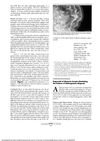
January 1997 in “Archives of Dermatology” This retrospective study of 1604 alopecia areata cases reported 13 instances of a potentially new hair regrowth pattern, termed the "androgenetic-like pattern".
 February 2026 in “Eduvest - Journal Of Universal Studies”
 This review discusses the molecular mechanisms and therapeutic effectiveness of Janus Kinase Inhibitors for inflammatory skin diseases, suggesting these inhibitors have a rapid onset and favorable safety profile compared to conventional treatments.
 1 citations
,
October 2023 in “Dermatology and therapy”
1 citations
,
October 2023 in “Dermatology and therapy” This review concluded that baricitinib and other oral JAK inhibitors have the most robust evidence supporting their use in treating severe alopecia areata in adults, compared to other less-evaluated treatments.
 September 2024 in “Journal of the American Academy of Dermatology”
 In this retrospective analysis, baricitinib 4 mg was found to improve hair regrowth and was deemed effective and safe for treating severe alopecia areata in a real-world setting.
 November 2025 in “SKIN The Journal of Cutaneous Medicine”
 In this study, UPA at doses of 15 mg and 30 mg showed higher efficacy than placebo for treating severe alopecia areata in adults and adolescents over 24 weeks, with a safety profile similar to approved uses.
 November 2022 in “The journal of investigative dermatology/Journal of investigative dermatology”
 This study found that Imaging Mass Cytometry effectively visualizes multiple biomarkers in alopecia areata, enhancing analysis of immune cell and tissue interactions in hair pathology.
 January 2025 in “Acta Dermato Venereologica”
 In this study, infants born to mothers with alopecia areata had a higher risk of adverse birth outcomes, including preterm birth, low birth weight, Caesarean section, and congenital malformations.
 December 2015 in “University of Birmingham Institutional Research Archive (University of Birmingham)”
 This study showed that regulation of adipose androgen generation via AKR1C3 may contribute to a cycle of hyperinsulinaemia and lipid accumulation in women with PCOS.
 1 citations
,
January 2023 in “The FASEB Journal”
1 citations
,
January 2023 in “The FASEB Journal” This study found that circAGK was highly expressed in AGA patients and promoted dermal papilla cell apoptosis, suggesting it as a potential target for treating androgen alopecia.
 April 2016 in “Journal of The American Academy of Dermatology”
 A child on life support experienced rapid hair loss due to severe illness affecting hair growth.
56 citations
,
November 2007 in “Molecular and cellular endocrinology” This study identified enzymes responsible for regulating androgen action in the human prostate, suggesting that inhibiting AKR1C2 or RL-HSD may have therapeutic potential in androgen insufficiency or benign prostatic hyperplasia, respectively.
 6 citations
,
January 2016 in “International Journal of Trichology”
6 citations
,
January 2016 in “International Journal of Trichology” This case study suggests that patients with acquired progressive kinking of the hair may benefit from finasteride treatment due to an increased risk of developing androgenetic alopecia.
 January 2026 in “International Journal of Innovative Technologies in Social Science”
 This review reports that ritlecitinib, baricitinib, and deuruxolitinib, all JAK inhibitors, are effective treatments for moderate-to-severe alopecia areata, with differences in selectivity and onset of action, and suggests that emerging biologic therapies may enhance treatment by offering more targeted immune modulation.
 December 2023 in “Journal of health and rehabilitation research”
 In this study conducted at a tertiary care hospital in Karachi, oral Apremilast significantly reduced the severity of alopecia areata, shown by a notable decrease in SALT Scores over 12 weeks, suggesting it may be an effective alternative treatment option for this condition.
May 2019 in “Journal of Evidence Based Medicine and Healthcare” In this study, 1.9% of patients at a dermatology outpatient department were diagnosed with alopecia areata, with the most common affected age group being 20-40 years.
 June 2023 in “British journal of dermatology/British journal of dermatology, Supplement”
 This study observed that among UK alopecia areata patients seeking JAK inhibitor treatments before public funding, many sourced medication from abroad due to high costs, with variable response rates and significant reliance on social media for information on accessing treatments.
6 citations
,
June 2023 in “Experimental Dermatology” In this study, researchers found that inducing mitophagy can alleviate NLRP3 inflammasome activation in outer root sheath cells under conditions of mitochondrial stress, suggesting that targeting mitophagy and inflammasome interactions may offer new therapeutic approaches for alopecia areata.
75 citations
,
January 2004 in “Molecular and Cellular Biology” In this study, EDA-A2 transgenic mice exhibited multifocal myodegeneration dependent on XEDAR, suggesting a potential role for XEDAR in skeletal muscle homeostasis.