
This study highlights the importance of trauma-informed, culturally sensitive, and flexible teaching strategies in public administration education during wartime in Ukraine, emphasizing the integration of digital well-being and burnout prevention to maintain academic continuity and develop resilient, ethically-minded future leaders.
 85 citations
,
March 2012 in “Revista Brasileira de Farmacognosia”
85 citations
,
March 2012 in “Revista Brasileira de Farmacognosia” This review discusses the pharmacological benefits and chemical compounds of the Sophora genus, noting its traditional use and wide pharmacological actions, but reports no new clinical results.
 December 2023 in “Frontiers in plant physiology”
 This review discusses recent findings on how root hairs and root exudate secretion play critical roles in recruiting nitrogen-fixing bacteria, potentially aiding the development of cereal crops that can use atmospheric nitrogen, which may reduce reliance on synthetic fertilizers.
 March 2025 in “Frontiers in Plant Science”
 This study highlights the ZmNF-YC1-ZmAPRG pathway as a potential mechanism to improve maize tolerance to phosphorus deficiency, emphasizing its role in modulating lipid and photosynthetic activity, although direct impacts on root adaptations remain unclear (Bai et al., 2024).
 April 2026 in “Asian Journal of Research in Pharmaceutical Sciences”
 This review highlights the promising potential of Semecarpus anacardium Linn. in promoting hair growth due to its antioxidant and anti-inflammatory properties but emphasizes the need for further human clinical trials and safe formulation practices due to its associated toxicity in raw form.
February 2026 in “ACS Applied Materials & Interfaces” This study developed a novel treatment method using carbon dots from Cinnamomum burmannii leaves, which improved hair regeneration and thickness in an AGA mouse model by promoting cell proliferation, angiogenesis, and reducing inflammation through multiple signaling pathways.
 August 2024 in “Frontiers in Nutrition”
 In this study, higher dietary antioxidant intake was linked to a decreased risk of androgenic alopecia, while higher dietary inflammatory intake increased the risk, especially among women, although these links were influenced by metabolic syndrome presence.
 September 2021 in “Revista Interdisciplinar em Saúde”
 In this observational study, treatment with oral isotretinoin was reported to stabilize hair loss in patients with frontal fibrosing alopecia, offering potential guidance for clinicians on its therapeutic use, with implications for improving affected patients' self-esteem.
 1 citations
,
May 2024 in “Dermatology and Therapy”
1 citations
,
May 2024 in “Dermatology and Therapy” This review article examines the current understanding of frontal fibrosing alopecia, noting its prevalence in different demographics and the roles of genetic and environmental factors in its pathogenesis, while highlighting that treatment approaches remain varied and lack standardization.
3 citations
,
July 2001 in “PubMed” This article reviews various treatment options for androgenetic alopecia, like finasteride, camouflage agents, and surgical methods, emphasizing patient education about each approach's limitations, but reports no new clinical results.

This article discusses the broad traditional uses and potential pharmaceutical applications of burdock, recommending the development of new products but reporting no experimental findings.

This article discusses the factors influencing optimal graft growth in surgical procedures and reports no new clinical results; it highlights the importance of surgical technique and suggests other contributing factors.
 December 2020 in “Rev. Amazon.”
 This study identified that 80% of a rural population in Ecuador uses medicinal plants like Aloe vera for treating hair conditions, highlighting the prevalence of ancestral plant knowledge.
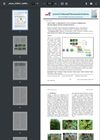 January 2024 in “Deleted Journal”
 This review synthesizes research on Thuja species, highlighting their diverse biological effects, traditional and economic uses, and various phytoconstituents, and suggests they are promising candidates for further studies to potentially develop new drugs.
March 2026 in “Journal of the American Academy of Dermatology” This clinical review evaluates current evidence on various adjunctive therapies for androgenetic alopecia, highlighting modest benefits for some interventions but emphasizing significant gaps and the need for rigorous, high-quality research to guide effective management strategies.
 December 2025 in “IP Indian Journal of Clinical and Experimental Dermatology”
 This review reports that the treatment of androgenetic alopecia is shifting from single therapies to personalized, multimodal approaches incorporating both traditional and emerging pharmacologics, regenerative strategies, nutraceuticals, cosmeceuticals, and device-based interventions, with combination regimens showing improved outcomes.
This study found that in the San Plácido parish of Ecuador, various medicinal plants were widely used by locals for treating common ailments, with the most utilized species being Matricaria chamomilla L. and Mentha rotundifolia L.
June 2024 in “Deleted Journal” This review explored the potential of medicinal plants and natural compounds as alternative treatments for baldness, identifying several with anti-inflammatory and antioxidant properties that may help reduce hair loss.
April 2017 in “bioRxiv (Cold Spring Harbor Laboratory)” This study introduced the dual-flow-RootChip platform to demonstrate that Arabidopsis roots exhibit non-autonomous adaptations, such as hair growth regulation, when subjected to varied environmental conditions on opposite sides.
March 2005 in “Medical Entomology and Zoology” Scoparone may help promote hair growth or address hair loss.
 January 2018 in “Archives of general internal medicine”
 The document concludes that automatic biofiber hair implant is a new method for improving hair growth.
 January 2025 in “Journal of the Korean Society of Food Science and Nutrition”
 This study found that the combination of finasteride and black soybean extract showed synergistic protective effects against DHT-induced damage in hair follicle cells, suggesting potential benefits for treating androgenetic alopecia.
 April 2023 in “Journal of Cutaneous and Aesthetic Surgery”
 This review proposes a combination treatment scheme with a rotational approach for managing androgenetic alopecia, drawing on evidence for effectiveness, long-term use convenience, and patient acceptance, but presents no new clinical results.
20 citations
,
December 2021 in “Plants” This review concludes that Tamarix aphylla, used traditionally for ailments such as tuberculosis and hepatitis, demonstrates various pharmacological activities, including antidiabetic and wound-healing effects, but stresses the need for further research to confirm its safety and effectiveness in humans.
April 2024 in “Journal of clinical medicine” This review discusses various therapeutic options for frontal fibrosing alopecia and highlights the need for more research, as existing data are largely retrospective and lack precise treatment guidelines.
November 2025 in “Plant Foods for Human Nutrition” 2 citations
,
April 2024 in “Molecular Plant” Auxin promotes root hair growth through oxidative processes involving reactive oxygen species.
 1 citations
,
May 2021 in “Revista Eletrônica Acervo Científico”
1 citations
,
May 2021 in “Revista Eletrônica Acervo Científico” This review discusses various treatment options for androgenic alopecia, noting finasteride's greater efficacy in men and identifies ongoing research needs, particularly for therapies like laser and stem cells.
11 citations
,
May 2018 in “Frontiers in plant science” This study found that overexpressing the PCaP2 protein in Arabidopsis enhanced drought tolerance by influencing ABA and SA signaling pathways and regulating root hair growth, suggesting a key role in water deficit response.
January 2021 in “Brazilian Journal of Development” This study found that women with androgenic alopecia in Patos, Brazil, experienced significant psychological and social impacts, including feelings of frustration, low self-esteem, and social withdrawal.