Search
for
Sort by
Research
60-90 / 1000+ results
research A case of MBTPS1‐related disorder due to compound heterozygous variants in MBTPS1 gene: Genotype–phenotype expansion and the emergence of a novel syndrome
In this study, researchers identified compound heterozygous variants in the MBTPS1 gene associated with ectodermal dysplasia features in a 14-year-old female, broadening the known disorder spectrum linked to these genetic mutations.

research Deletion analysis of AGD1 reveals domains crucial for its plasma membrane recruitment and function in root hair polarity
In this study, researchers found that AGD1 is crucial for membrane recruitment during root hair development in Arabidopsis thaliana, with its pleckstrin homology domain essential for targeting specific plasma membrane regions.
research 17β-Estradiol Increases APE1/Ref-1 Secretion in Vascular Endothelial Cells and Ovariectomized Mice: Involvement of Calcium-Dependent Exosome Pathway
This study found that 17β-estradiol was the most powerful hormone for inducing APE1/Ref-1 secretion in cultured vascular endothelial cells, with secretion occurring through exosomes dependent on estrogen receptors and intracellular calcium.
research The TIP GROWTH DEFECTIVE1 S-Acyl Transferase Regulates Plant Cell Growth in Arabidopsis
This study identified a key Arabidopsis thaliana gene, TIP1, whose product is involved in S-acylation crucial for normal plant cell growth, particularly affecting root hair development.

research EDA and EDAR expression at different stages of hair follicle development in cashmere goats and effects on expression of related genes
This study found that EDA and EDAR are expressed throughout cashmere goat fetal development and play a critical role in hair follicle formation by influencing gene expression in fibroblasts and epithelial cells.

research Plant elicitor Peptides regulate root hair development in Arabidopsis
This study found that Plant Elicitor Peptides enhance root hair growth through a mechanism independent of their known receptors, with PROPEP2 playing a key role in this process by influencing gene expression related to root hair formation.
research The compatibility of Bacillus thuringiensis Cry protein-solubilizing buffers with the droplet feeding method in fall armyworm larvae
This study observed that different alkaline buffers had a significant impact on the volume of liquid consumed by fall armyworm larvae, emphasizing the importance of measuring imbibed volumes to reduce dose errors in bioassays.
research Inhibition of CCAAT/Enhancer Binding Protein Family DNA Binding in Mouse Epidermis Prevents and Regresses Papillomas
This study found that inhibiting C/EBP transcription factors in mouse skin reduced papilloma formation and caused systemic hair loss, suggesting C/EBP may be a potential therapeutic target.
research Stimulation of ectodermal organ development by Ectodysplasin-A1
Ectodysplasin-A1 is crucial for developing hair, teeth, and glands.

research Genetic alteration of cyclic adenosine 3',5'-monophosphate-dependent protein kinase subunit expression affects calcium currents and beta-endorphin release in AtT-20 clonal pituitary cells.
This study found that AtT-20 pituitary cells with higher cAMP-dependent kinase activity had larger calcium currents and significantly increased beta-endorphin release compared to cells with lower kinase activity.
research 328 The transcription factor CEBPB is a novel hub gene and multi-functional disease driver in Psoriatic skin inflammation
This study provides evidence that ILC1-like cells can induce alopecia areata in previously healthy human hair follicles, challenging the view that it is solely an autoantigen-dependent autoimmune disease.
research A novel MBTPS2 variant associated with BRESHECK syndrome impairs sterol‐regulated transcription and the endoplasmic reticulum stress response
This case report identifies a novel maternally inherited MBTPS2 variant associated with an expanded phenotypic spectrum of BRESHECK syndrome, including cytopenias, bone marrow fibrosis, and chronic diarrhea.

research Ectodysplasin A (EDA) Signaling: From Skin Appendage to Multiple Diseases
This review summarizes the role of Ectodysplasin A signaling in skin appendage development and various diseases, noting potential clinical applications but reporting no new research findings.
research BAC-mediated gene-dosage analysis reveals a role for Zipro1 (Ru49/Zfp38) in progenitor cell proliferation in cerebellum and skin
research Evidence for a functional interaction of WNT10A and EBF1 in male-pattern baldness
In this study, researchers found that interaction between transcription factor EBF1 and gene WNT10A, influenced by a genetic variant, may play a role in hair shaft formation and anagen shortening in male pattern baldness.
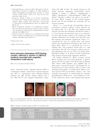
research Novel adenosine triphosphate (ATP)-binding cassette, subfamily A, member 12 (ABCA12) mutations associated with congenital ichthyosiform erythroderma
New ABCA12 gene mutations were linked to a skin condition with scaling and hair loss, and a treatment helped with hair loss in a related case.
research 647 Alternative splicing factor Esrp1 controls homeostasis of skins by regulating barrier formation and function
This commentary discusses the crucial role of the alternative splicing factor Esrp1 in maintaining skin barrier function and its association with skin diseases like atopic dermatitis and psoriasis, but reports no new clinical results.
research Myodegeneration in EDA-A2 Transgenic Mice Is Prevented by XEDAR Deficiency
In this study, EDA-A2 transgenic mice exhibited multifocal myodegeneration dependent on XEDAR, suggesting a potential role for XEDAR in skeletal muscle homeostasis.
research The citrullinating enzyme PADI4 governs progenitor cell proliferation and translation in developing hair follicles
This study reports that PADI4, an enzyme involved in posttranslational protein modifications, regulates progenitor cell transitions in hair follicle development by repressing transcription and interacting with translational and ribosomal processes.
research Updated mutational spectrum and genotype-phenotype correlations in ichthyosis patients with ABCA12 pathogenic variants
This study identified 11 previously unreported ABCA12 variants associated with varying severities of autosomal recessive congenital ichthyoses and expanded the phenotype spectrum of ichthyosis linked to these variants.

research Reviewer #2 (Public Review): CaBP1 and 2 enable sustained CaV1.3 calcium currents and synaptic transmission in inner hair cells
CaBP1 and 2 are necessary for maintaining calcium currents and hearing in inner ear cells.

research ER-located Ca2+ ATPase ACA2 regulates Ca2+ cytoplasmic pool linked to root hair growth in Arabidopsis thaliana
In this study, researchers found that the efflux of calcium in root hairs of Arabidopsis thaliana, particularly through the ER-localized ACA2 and ACA7, is crucial for modulating cytoplasmic calcium signals and enabling proper root hair growth, with disruptions leading to impaired elongation.
research A Synonymous Polymorphism of APCDD1 Affects Translation Efficacy and is Associated with Androgenic Alopecia
A certain gene variation can affect protein production and is linked to male pattern baldness.
research Impaired Lef1 activation accelerates iPSC-derived keratinocytes differentiation in Hutchinson-Gilford Progeria Syndrome
In this study, researchers found that correcting the HGPS mutation with Adenine base editing partially rescued accelerated skin cell differentiation and reduced cell death in patient-derived stem cells.
research ABCD1 Gene Mutations: Mechanisms and Management of Adrenomyeloneuropathy
This review describes the clinical presentation, diagnosis, and management of adrenomyeloneuropathy, including rehabilitative therapies and spasticity management, and reports no new clinical results.
research Arabidopsis PCaP2 Functions as a Linker Between ABA and SA Signals in Plant Water Deficit Tolerance
This study found that overexpressing the PCaP2 protein in Arabidopsis enhanced drought tolerance by influencing ABA and SA signaling pathways and regulating root hair growth, suggesting a key role in water deficit response.
research Atrichia with papular lesions resulting from a novel homozygous missense mutation in the hairless gene
In this study, a novel E583V missense mutation in the hairless gene was identified in an Italian family with atrichia with papular lesions, reinforcing the significance of zinc-finger and LXXLL domains in this condition.
research Pseudallescheria boydii infection associated with IgG4-related disease
This report identifies a novel splice-site variant in the LAMB3 gene linked to junctional epidermolysis bullosa, emphasizing the need for gene sequencing in diagnosing the disease.
research Impaired LEF1 Activation Accelerates iPSC-Derived Keratinocytes Differentiation in Hutchinson-Gilford Progeria Syndrome
This study found that in Hutchinson–Gilford progeria syndrome, iPSCs committed to the keratinocyte lineage faster than normal cells, with LEF1 expression reduced and a partial rescue of the phenotype achieved through adenine base editing.