 January 2016 in “Springer eBooks”
 This review discusses the potential of superficial cryotherapy as an effective and safe treatment for alopecia areata in eyebrows, with a proposed mechanism involving improved follicular nutrition, but reports no new clinical results.
1 citations
,
February 2025 in “Journal of Drugs in Dermatology” This report describes two cases of cutaneous lupus erythematosus mimicking alopecia areata, highlighting the importance of considering CLE in the diagnosis of patchy hair loss to prevent scarring alopecia.
December 2023 in “International Journal of Dermatology” This study reports that trichoscopy and histopathology can effectively diagnose alopecia areata incognito and differentiate it from telogen effluvium or androgenetic alopecia, aiding clinicians in better hair regrowth management.
This study found that genetic ablation of Tslp in an AEC mutant mouse model reduced skin inflammation and improved survival, suggesting potential therapeutic benefits for AEC syndrome patients.
February 2005 in “Journal of the American Academy of Dermatology” 3 citations
,
September 1998 in “International Journal of Dermatology” In this case study, long-term treatment with acitretin significantly improved chronic skin conditions like erythematosquamous plaques and follicular hyperkeratoses in a patient, but stopping the treatment led to severe worsening of symptoms.
11 citations
,
February 2022 in “JAAD case reports” This case report observed hair regrowth following the treatment of alopecia universalis and atopic dermatitis with tofacitinib, a JAK inhibitor.
January 2026 in “JCEM Case Reports” This case report presents a rare instance of recurrent ACTH-independent Cushing’s syndrome due to PBMAH, coinciding with the development of a pheochromocytoma, highlighting the need for thorough reevaluation in similar recurring cases.
1 citations
,
April 2023 in “International journal of molecular sciences” In this study, AMACO was found to be non-essential for the formation or function of anchoring cords in mice, despite its presence in the structure.
12 citations
,
February 2019 in “Developmental Biology” This study found that nerve-mediated HDAC1 expression is necessary for blastema formation and limb regeneration in axolotls, and that inhibiting HDACs delays or inhibits this process.
 18 citations
,
April 2013 in “PLOS ONE”
18 citations
,
April 2013 in “PLOS ONE” This study found that in a mouse model, alopecia areata was associated with changes in heart structure, biochemistry, and gene expression linked to cardiac hypertrophy after ACTH exposure.
 6 citations
,
November 2017 in “Dermatologic Therapy”
6 citations
,
November 2017 in “Dermatologic Therapy” In this study, researchers found that applying mometasone furoate 0.1% cream combined with adapalene 0.1% gel resulted in significantly greater hair regrowth over 12 weeks compared to mometasone furoate cream alone in patients with alopecia areata.
3 citations
,
June 2020 in “Journal of Dermatological Treatment” In this study, researchers found that triamcinolone acetonide provided earlier visual improvement in alopecia areata treatment, but by 12 weeks, both triamcinolone acetonide and betamethasone 1.75 mg/ml showed similar effectiveness compared to lower-dose betamethasone and placebo.
 12 citations
,
June 2010 in “Journal of dermatology”
12 citations
,
June 2010 in “Journal of dermatology” This study found that hyperpigmentation following contact immunotherapy for severe alopecia areata may indicate poor treatment responsiveness and aligns with characteristics of pigmented contact dermatitis.
December 2023 in “bioRxiv (Cold Spring Harbor Laboratory)” This study observed that in live rodents, actin filaments adjust their structure to facilitate membrane transfer between cellular compartments; linear filaments stabilize fused membranes, while branched filaments, connected by the protein Ezrin, drive integration, demonstrating actin's role in adapting to membrane biophysical changes.
 January 2024 in “bioRxiv (Cold Spring Harbor Laboratory)”
 In this mouse study, the absence of the Ascl4 gene did not affect the development of hair follicles, teeth, or mammary glands, suggesting it is non-essential for these processes.
 1 citations
,
September 2022 in “Journal of The American Academy of Dermatology”
1 citations
,
September 2022 in “Journal of The American Academy of Dermatology” In this analysis of two trials, baricitinib showed eyebrow and eyelash regrowth in severe alopecia areata patients with greater than 20% scalp hair loss at Week 36, compared to placebo.
3 citations
,
July 2022 in “Indian Journal of Dermatology” This report describes a case of acute localised exanthematous pustulosis in a 19-year-old boy after using amoxicillin-clavulanic acid, with new dermoscopic features identified.
 April 2012 in “Informa Healthcare eBooks”
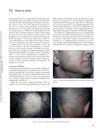
 Alopecia areata is a common autoimmune condition causing varying hair loss, diagnosed by specific patterns of inflammation around hair follicles, with several treatment options available.
May 2026 in “Complementary Medicine Research” This case report documented the successful treatment of a 61-year-old male's persistent alopecia areata with acupuncture therapy, showing significant improvement within 2 months and complete resolution in 9 months, underscoring acupuncture's potential role in managing long-standing alopecia without drugs.
January 2016 in “Indian dermatology online journal” This case report describes a 50-year-old woman with frontal fibrosing alopecia who showed no improvement despite multiple treatments, including intralesional triamcinolone and topical glucocorticoids.
August 2025 in “Journal of Polymer Science” This review reports that combining adipose-derived stem cells with decellularized extracellular matrix enhances tissue repair by improving scaffold biological activity and promoting angiogenesis, integration, and functional regeneration across various tissues, while addressing challenges in traditional transplantation methods.
 19 citations
,
January 2011 in “Clinics”
19 citations
,
January 2011 in “Clinics” This article reviews alopecia areata incognita, a rare condition mostly seen in young women, and discusses its similarities and differences with telogen effluvium; however, it reports no new clinical findings.

This study found that CPA-loaded nanoparticles, particularly SLN formulations, increased CPA epidermal penetration compared to a conventional cream and may reduce side effects in treating androgen-dependent conditions.
27 citations
,
August 2017 in “Anais Brasileiros de Dermatologia” In this case report, a patient with trichotillomania showed a significant positive response to treatment with N-acetylcysteine, suggesting its potential effectiveness for this disorder according to the authors’ observations.
1 citations
,
September 2001 in “PubMed” This review discusses the effectiveness and risks of acitretin in treating various skin conditions, highlighting its teratogenic potential and the necessary precautions for its use.
June 2024 in “Current Developments in Nutrition” In this study, KeraGLO, a nutritional supplement with hydrolyzed keratin, was shown to significantly improve skin wrinkle depth, smoothness, moisture, firmness, and hair health in healthy adult females over a 90-day period at both 500mg and 1000mg doses compared to baseline.
5 citations
,
September 2024 in “Biomolecules and Biomedicine” This study found that total glucosides of paeony (TGP) reduced hair loss and inflammation in alopecia areata mice by inhibiting cellular pyroptosis.
This study found that 1′S-1′-acetoxychavicol acetate from Alpinia galanga inhibits Nox isozymes and suppresses testosterone-induced hair loss in a mouse model of androgenetic alopecia.
 32 citations
,
June 2013 in “Journal of Investigative Dermatology”
32 citations
,
June 2013 in “Journal of Investigative Dermatology” This study found that reducing HDAC1 activity in the skin of mice led to defects in hair follicle structure and pigmentation, highlighting HDAC's role in skin and hair maintenance.