Why are low finasteride doses seen as highly ineffective, when studies show 0.05 mg/day to work? Finasteride/Dutasteride 6/25/2022
The efficacy of low doses of finasteride to reduce scalp DHT, and whether studies showing a 61% reduction are reflected in actual results. Replies discussed hair growth as an unintended consequence of minoxidil and finasteride use, as well as self-selective bias, potential side effects, and that studies measure effectiveness by hair count changes rather than DHT inhibition.
View this post in the Community →
Similar Community Posts Join
6 / 6 resultscommunity The Real Cause Of Androgenetic Alopecia
Androgenetic alopecia is caused by DHT affecting hair growth. Finasteride and minoxidil are used to manage hair loss by blocking DHT and promoting hair growth.
community Effectiveness and Safety of Hair Growth Formulation Containing Tectona grandis L.f (Teak) Leaf Extract
Teak leaf extract shows potential as a mild hair growth promoter for androgenic alopecia, with similar positive trends to minoxidil but without significant side effects. It can be made at home using dried teak leaves and ethanol, though its effectiveness compared to other treatments like finasteride is debated.
community Physio-metabolic method of treating androgenic alopecia. Cold receptors. The relationship between DHT, cold receptors, minoxidil and antiandrogens.
A method for treating androgenic alopecia using minoxidil, antiandrogens, exercise, and cold exposure to promote hair growth. Environmental factors and lifestyle changes, like diet and exercise, can improve treatment effectiveness.
community Ultimate DHT/finasteride microdosing graph to replace the commonly one referenced on forums
Hair loss treatments, specifically, discussing the effectiveness and side effects of finasteride, minoxidil, and RU58841 in various microdoses. It also includes an updated graph which provides information on how different doses affect DHT levels, scalp skin and serum androgen levels, as well as hair count.
community Finasteride success for androgenic alopecia by a 27M physician (NO PICTURES)
A 27-year-old male physician improved hair density using minoxidil 5% foam and finasteride 1mg every other day, with initial sexual side effects that subsided. He recommends trying finasteride for a year but warns against dutasteride due to potential liver effects.
community Help needed .Day 80 on Finasteride Monotherapy (1mg) – Peak Shedding, Anxiety, and Trusting the Process
A user is experiencing increased hair shedding and anxiety 80 days into using 1mg Finasteride for androgenic alopecia, after previously trying Minoxidil without success. They are considering whether to add Minoxidil again or continue with Finasteride alone.
Related Research
6 / 6 results
research Astragalus membranaceus and Cinnamomum cassia Stimulate the Hair Follicle Differentiation-Related Growth Factor by the Wnt/β-Catenin Signaling Pathway
In this study, researchers observed that the YH complex, made from Astragalus membranaceus and Cinnamomum cassia, promoted hair regrowth and increased hair shaft thickness in mice, potentially through increased growth factors and Wnt/β-catenin signaling, suggesting its use for treating various forms of hair loss.
research Effects of oxytocin on the hair growth ability of dermal papilla cells
This study explored the effects of oxytocin on hair growth and found that it upregulated growth-promoting factors in dermal papilla cells and hair follicle organoids, suggesting potential for developing new alopecia treatments.
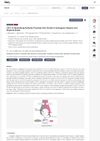
research CXCL12 Neutralizing Antibody Promotes Hair Growth in Androgenic Alopecia and Alopecia Areata
This study found that subcutaneous injection of a CXCL12 neutralizing antibody significantly promoted hair growth in androgenic alopecia and inhibited hair loss in alopecia areata in mouse models, suggesting its potential as a promising treatment for hair loss.
research Hair Thickness Growth Effect of Adenosine Complex in Male-/Female-Patterned Hair Loss via Inhibition of Androgen Receptor Signaling
In this study, researchers found that topical treatment with adenosine improved hair growth and thickness by significantly increasing hair density and thickness after four months in vivo, with results comparable to minoxidil, potentially due to adenosine's anti-androgenic effects.
research The medicinal activity of lyophilized aqueous seed extract of Lepidium sativum L. in an androgenic alopecia model
This study found that Lepidium sativum seed extract showed potential in treating alopecia in rats by reducing 5(alpha)-dihydrotestosterone levels and improving hair length compared to minoxidil.
research Hair Growth Effect of DN106212 in C57BL/6 Mouse and Its Network Pharmacological Mechanism of Action
In this study, the alcoholic extract DN106212 from Centipeda minima was shown to be more effective in promoting hair growth in C57BL/6 mice compared to dimethyl sulfoxide and tofacitinib, suggesting its potential as a natural hair growth agent.