Physio-metabolic method of treating androgenic alopecia. Cold receptors. The relationship between DHT, cold receptors, minoxidil and antiandrogens. 12/7/2024
A method for treating androgenic alopecia using minoxidil, antiandrogens, exercise, and cold exposure to promote hair growth. Environmental factors and lifestyle changes, like diet and exercise, can improve treatment effectiveness.
View this post in the Community →
Similar Community Posts Join
5 / 5 results
community Physio-metabolic method of treating androgenic alopecia. Cold receptors. The relationship between DHT, cold receptors, minoxidil and antiandrogens
Treating androgenic alopecia with minoxidil, finasteride, and antiandrogens, alongside exercise, cryotherapy, and natural substances to stimulate cold receptors for better hair growth. The method focuses on enhancing treatment effectiveness by considering environmental and behavioral factors and the role of cold receptors and muscle stress.
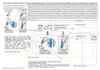
community Compressed part of research of theory of androgenic/anabolitic balance. AGA h-responders analytic. Theory of physio-metabolitic method of anti AGA treatment
The treatment for androgenetic alopecia involves using finasteride and minoxidil with intense exercise and cold exposure to boost metabolism and reduce androgenic effects, potentially leading to hair regrowth. This approach may activate biological pathways for improved hair and overall health.
community If dutesteride and oral minoxidil doesn’t work that’s it right?
A user is experiencing continued hair loss despite using 0.5mg dutasteride and 2.5mg minoxidil, and is seeking advice on why the treatments aren't working and how to address potential androgen receptor sensitivity. Replies suggest getting tested and considering scalp micropigmentation (SMP).
community Female, 27 years old, shedding/ balding despite being on what is considered to be a effective treatment plan for AGA. Considering Dut (oral) . Please help.
A 27-year-old woman with androgenic alopecia is losing hair despite using oral minoxidil and spironolactone, and is considering dutasteride. She is exploring causes like stress and medication side effects, planning tests, and considering treatment changes.
community Female diffuse hair loss on spiro with irregular periods (photos) + genetic hair loss
A 34-year-old woman is experiencing diffuse hair loss and irregular periods, possibly due to long-term spironolactone use. She is considering minoxidil and finasteride for treatment and seeking medical advice for androgenic alopecia and hormonal imbalances.
Related Research
6 / 6 resultsresearch The involvement of androgens in human hair growth
This review discusses the molecular mechanisms of androgen action in human hair follicles and reports no new findings; the authors emphasize the need for further research to improve treatments for hair disorders.
research Hair aging and anti-aging
This review discusses the biological and cosmetic aspects of hair aging and reports no new clinical results; it highlights current treatments and future research directions to address both aging factors.
research Relative binding affinity of novel steroids to androgen receptors in hamster prostate
This study found that certain steroidal compounds, especially 10a–10c, demonstrated strong antiandrogenic activity by binding to the androgen receptor and reducing prostate weight in a hamster model.
research Balding hair follicle dermal papilla cells contain higher levels of androgen receptors than those from non-balding scalp
This study found that dermal papilla cells from balding scalp hair follicles have significantly higher levels of androgen receptors than those from non-balding follicles, supporting their in vivo androgen response.
research Investigational medications in the treatment of alopecia
This review discusses investigational treatments for androgenetic and chemotherapy-induced alopecia and reports no new clinical results, highlighting the need for further research.
research HAIR GROWTH PROMOTNG ACTIVITY OF HELIANTHUS ANNUUS IN TESTOSTERONE INDUCED ALOPECIA IN MICE MODEL
This study found that Helianthus annuus oil promoted hair growth in a testosterone-induced alopecia mouse model, with higher hair density observed compared to untreated mice, though it was less effective than the standard minoxidil treatment.