Dutasteride Vs. Testosterone, who wins? Finasteride/Dutasteride 4/10/2024
The conversation discusses whether 2.5mg of dutasteride or 200mg of testosterone weekly is more influential in preventing hair loss, with various personal experiences indicating that the effectiveness is dependent on the individual's genetic profile. Some users report that dutasteride is likely to be more effective at the given doses.
View this post in the Community →
Similar Community Posts Join
5 / 5 resultscommunity DHT results after 1 year on dutasteride, confused and seeking guidance
The user is experiencing rapid hair loss despite using dutasteride, finasteride, and minoxidil, and is concerned about high estradiol and testosterone levels. They are advised to consult an endocrinologist for potential hormonal imbalances.
community Is 2years+ telogen effluvium possible?
The user has been losing hair for over two years despite taking dutasteride and RU58841, even increasing dutasteride to 2.5mg. They are questioning if their hair loss could be due to telogen effluvium instead.
community On Dutasteride 0.5mg ED for almost 2 years. Increasingly shedding hair for more than 5 months.
The user experienced increased hair shedding after switching from finasteride to dutasteride, despite lifestyle improvements and additional treatments like oral minoxidil and PRP. They are concerned about persistent shedding, changes in hormone levels, and potential chronic telogen effluvium, and are considering a scalp biopsy for further investigation.
community Switch from fin to dut and its worse
Switching from finasteride to dutasteride can worsen hair loss for some men due to increased testosterone levels. Topical treatments like RU58841 and Pyrilutamide are suggested to counteract these effects, but individual responses vary.
community Why you may be taking Dutasteride wrong
Dutasteride is more effective than finasteride for hair loss, with optimal dosing at 0.5mg once or twice a week to minimize side effects. Topical application may further reduce side effects while effectively lowering scalp DHT.
Related Research
6 / 6 results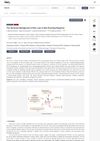
research The Hormonal Background of Hair Loss in Non-Scarring Alopecias
This review examines the hormonal causes of hair loss, noting how androgen excess can lead to follicle miniaturization and linking estrogen deficiency and thyroid dysfunction to common alopecia types. It further discusses hormonal treatments such as finasteride, dutasteride, and spironolactone.
research Finasteride in androgenetic alopecia in men
This article discusses androgenetic alopecia in men and reports that finasteride at 1 mg/day for 24 months is generally well tolerated and may effectively inhibit hair loss.
research Novel agents for the treatment of alopecia
This review examines recent approvals and emerging treatments for androgenetic alopecia, discussing newly approved drugs like Propecia and Rogaine Extra Strength 5%, but without presenting new clinical results.

research Entendendo a alopecia androgenética Understanding androgenetic alopecia Educação Médica Continuada
This study discusses the physiopathogeny, clinical manifestations, and treatment objectives of androgenetic alopecia without reporting new clinical findings.

research Menopause and hair loss in women: Exploring the hormonal transition
This article highlights that hormonal changes during menopause can significantly affect hair health, leading to decreased hair density, altered texture, and increased hair disorders, which may subsequently impact emotional well-being in women.

research Current understanding and treatment of sex hormone-related hair diseases
This review examines the effects of sex hormones on hair growth and the pathogenesis of related hair disorders, highlighting current management benefits and controversies but reporting no new results.