can anybody please answer this 12/6/2021
A female experiencing hair loss due to high testosterone is considering spironolactone, an androgen blocker, and questions if stopping the medication will cause testosterone levels to rise again and lead to hair loss. Responses suggest that continuous use of spironolactone may be necessary to maintain hair health, similar to finasteride.
View this post in the Community →
Similar Community Posts Join
5 / 5 resultscommunity Female on DHT blockers, need some advice.
A female experiencing hair loss while on testosterone replacement therapy is using oral Minoxidil, Spironolactone, and finasteride, but still losing hair. Suggestions include switching to dutasteride, using topical anti-androgens, and reducing Nizoral shampoo use to prevent scalp dryness.
community Can testosterone alone cause hair loss even after nuking DHT?
Testosterone can still cause hair loss even when DHT is blocked by dutasteride, especially if hair follicles are sensitive. Topical treatments like RU58841 or pyrilutamide may help, but their long-term effectiveness is uncertain compared to dutasteride.
community 2 years of Androgen inhibition.
A 23-year-old has been using finasteride, dutasteride, and spironolactone to combat hair loss and hormonal acne, with mixed results and concerns about side effects. The user is experimenting with spironolactone despite its potential risks, hoping for skin and body hair improvements.
community Is there a topical androgen receptor blocker so we don't have to fuck with the enzyme and destroy our allopregnanolone, but go and hit the end target straight?
The conversation discusses topical androgen receptor blockers for hair loss, mentioning Clascoterone, Pyrilutamide, GT20029, and RU58841. Ketoconazole's effectiveness and application methods are also debated.
community Finasteride doubled my testosterone & estrogen
Finasteride increased testosterone and estrogen, stopped hair loss, and promoted regrowth. Users discussed side effects like libido changes and considered adding minoxidil and aromatase inhibitors.
Related Research
6 / 6 results
research Androgen effects on the skin
Androgens like testosterone affect skin health and can lead to conditions such as acne and hair loss, with various treatments available.
research Hormonal Treatment for Skin Androgen-Related Disorders
Hormonal treatments can help with hair loss, acne, and excess hair growth, but it takes 3-6 months to see results and patients should know the possible side effects.

research Sexual Hormones in Human Skin
This review discusses the roles of androgens and estrogens in skin functions and disorders, and highlights the use of estrogen-progestin treatments and anti-androgens in managing hirsutism and acne, without reporting new results.
research Androgenic disorders of women: Diagnostic and therapeutic decision making
This review discusses the management of androgenic disorders in women, highlighting that treatment is generally more effective than recognized, though improvement may take weeks or months to appear.
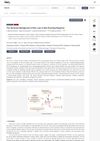
research The Hormonal Background of Hair Loss in Non-Scarring Alopecias
This review examines the hormonal causes of hair loss, noting how androgen excess can lead to follicle miniaturization and linking estrogen deficiency and thyroid dysfunction to common alopecia types. It further discusses hormonal treatments such as finasteride, dutasteride, and spironolactone.

research Treatment of female pattern hair loss with the androgen receptor antagonist flutamide
This case report found that a woman's hair loss, which progressed while using spironolactone and topical minoxidil, reversed after switching to flutamide therapy.