2 years of Androgen inhibition. 9/10/2025
A 23-year-old has been using finasteride, dutasteride, and spironolactone to combat hair loss and hormonal acne, with mixed results and concerns about side effects. The user is experimenting with spironolactone despite its potential risks, hoping for skin and body hair improvements.
View this post in the Community →
Similar Community Posts Join
5 / 5 resultscommunity Female, 30, PCOS diagnosis, MPB Norwood 2. Endo refuses to give anything other than Spironolactone. Feel like I’m at my wit’s end here.
A 30-year-old female with PCOS and male pattern baldness is frustrated with her endocrinologist's recommendation of only Spironolactone and minoxidil, feeling that dutasteride, finasteride, and progesterone would be more effective. Other users suggest various online sources for treatments, warn against self-medicating due to potential risks, and recommend seeking a specialized endocrinologist or considering additional treatments like Inositol, Berberine, and dermaneedling.
community Dutasteride SAVES your hair follicles: MAJOR BS on people who say it destroyed their hair permanently.
The conversation discusses the effectiveness of hair loss treatments, specifically finasteride and dutasteride. The conclusion is that dutasteride significantly reduces DHT levels and may be more effective than finasteride for long-term hair retention, with some users reporting personal experiences and side effects.
community Is there a topical androgen receptor blocker so we don't have to fuck with the enzyme and destroy our allopregnanolone, but go and hit the end target straight?
The conversation discusses topical androgen receptor blockers for hair loss, mentioning Clascoterone, Pyrilutamide, GT20029, and RU58841. Ketoconazole's effectiveness and application methods are also debated.
community Well… I Did It. Estrogen Saved My Hairline
OP transitioned and used Spironolactone, Estradiol Valerate, Minoxidil, and dermarolling, resulting in significant hair regrowth. They advise this method may not be suitable for cis men.
community 6 months on dutast and minoxodil, hair growing like weeds now!
A woman experienced significant hair regrowth after six months of using dutasteride and minoxidil, despite initial hair loss due to androgenetic alopecia. She reported minimal side effects and highlighted the effectiveness of these treatments for women, despite doctors' hesitancy to prescribe them.
Related Research
6 / 6 results
research Hormonal Treatment for Skin Androgen-Related Disorders
Hormonal treatments can help with hair loss, acne, and excess hair growth, but it takes 3-6 months to see results and patients should know the possible side effects.

research Antiandrogens and Androgen Inhibitors
This source outlines various antiandrogen and androgen inhibitor drugs used to treat cutaneous disorders of hyperandrogenism, detailing their mechanisms, uses, dosages, and side effects, with emphasis on spironolactone, finasteride, dutasteride, and oral contraceptives.
research Androgens in women
This review discusses hormone-modulating therapies for androgen-mediated cutaneous disorders in women but reports no new clinical results and highlights the need for more rigorous studies.
research Controversies in Polycystic Ovary Syndrome
This article discusses the unclear aspects of diagnosing and treating polycystic ovarian syndrome and emphasizes a multidisciplinary approach but reports no clinical results.
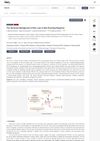
research The Hormonal Background of Hair Loss in Non-Scarring Alopecias
This review examines the hormonal causes of hair loss, noting how androgen excess can lead to follicle miniaturization and linking estrogen deficiency and thyroid dysfunction to common alopecia types. It further discusses hormonal treatments such as finasteride, dutasteride, and spironolactone.
research Treatment of hyperandrogenism in polycystic ovary syndrome
This review discusses strategies for managing dermatological symptoms of hyperandrogenism in PCOS by reducing androgen levels and actions, and reports no new clinical results.