 December 2025 in “Annals of the College of Medicine Mosul/Annals of the College of Medecine”
 The study found that metformin alone most effectively reduced insulin resistance in Iraqi women with PCOS, but combining metformin with finasteride produced greater improvements in insulin sensitivity markers.
 November 2025 in “Scientific Reports”
 This study found that metabolic dysfunction-associated steatotic liver disease is linked to a higher risk of androgenetic alopecia, especially in women and individuals with certain lifestyle patterns.
 1 citations
,
October 2024 in “Cureus”
1 citations
,
October 2024 in “Cureus” This study reported that women with polycystic ovarian syndrome have higher serum irisin levels, which are associated with metabolic and hormonal imbalances, including hyperandrogenism, total cholesterol, and visceral fat.
 April 2026 in “Beni-Suef University Journal of Basic and Applied Sciences”
 In this bibliometric analysis, researchers observed that precision medicine approaches, such as individualized interventions and biomarker-guided subtyping, are increasingly integrated into prediabetes research, highlighting shifts toward using multi-omics data and artificial intelligence for patient stratification and prevention strategies.
 January 2022 in “International Journal of Science and Research (IJSR)”
 This review discusses the biochemical and psychological impacts of polycystic ovary syndrome on immune functions against COVID-19 but reports no new clinical results.
 38 citations
,
June 2005 in “Contact Dermatitis”
38 citations
,
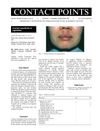
June 2005 in “Contact Dermatitis” This case report describes a patient with an allergic sensitization to minoxidil, indicating that such patients should pursue alternative therapies to treat androgenetic alopecia.
 September 2025 in “Cureus”
 In this case study, a 24-year-old female with Parry-Romberg syndrome showed significant craniofacial asymmetry, delayed dental development, and other symptoms without neurological deficits; orthodontic treatment is used to improve occlusion and facial balance.

Custom skincare can be made based on genes, fewer cats in Lublin have FeLV/FIV than national average, and studies also looked at small water bodies, river pollution, guppy growth, toxins in biochars, palm oil issues, and pumpkin seed oil for hair strength.
Tailored nonsurgical cosmetic procedures are crucial for safely treating diverse skin types, especially skin of color.
10 citations
,
May 2025 in “Nutrition & Metabolism” This review highlights that metabolic syndrome is intricately linked with various skin conditions such as inflammatory skin diseases and tumors through mechanisms involving insulin resistance and chronic inflammation, aiming to guide clinicians on effective treatments and preventive strategies for affected patients.
4 citations
,
September 2025 in “Biomolecules” This narrative review discusses the mixed and evolving evidence regarding glucagon-like peptide-1 receptor agonists (GLP-1 RAs) and their influence on erectile dysfunction in men with type 2 diabetes and obesity, highlighting potential benefits and concerns yet to be clarified.
September 2023 in “Diagnostics” In this study, researchers found a significant relationship between mid-luteal progesterone levels and 25-hydroxy vitamin D levels in infertile patients, suggesting that about 20 ng/mL of vitamin D may be necessary to trigger ovulation or support progesterone secretion.
3 citations
,
July 2024 in “Journal of Clinical Medicine” This study found that alopecia areata patients have a higher prevalence of carotid subclinical atherosclerosis, with factors such as disease duration, systemic inflammation, and insulin resistance potentially contributing to this increased risk.
December 2023 in “Indian Journal of Endocrinology and Metabolism” In this case report from People's College of Medical Sciences, a 20-year-old man initially misdiagnosed with Addison's disease was ultimately found to have strongyloidiasis, with his symptoms and weight loss improving after antihelminthic treatment.
16 citations
,
January 2017 in “Asian journal of andrology/Asian Journal of Andrology” This study found that older age at puberty may be associated with lower semen quality and altered reproductive hormone levels in young men, though only some results were statistically significant.
 138 citations
,
November 2015 in “Journal of Pharmacology and Experimental Therapeutics”
138 citations
,
November 2015 in “Journal of Pharmacology and Experimental Therapeutics” This review discusses the mechanisms associated with protoporphyrin IX in living cells and reports no clinical results; the authors emphasize its potential in cancer diagnosis and the risks of toxicity.
 13 citations
,
June 2006 in “Pituitary”
13 citations
,
June 2006 in “Pituitary” This article reports on a case where a 26-year-old woman with acromegaloidism was found to have X-tetrasomy, suggesting it should be considered in differential diagnoses due to its potential impact on growth-related genes.
 June 2007 in “Advances in Dermatology and Allergology/Postępy Dermatologii i Alergologii”
 This article discusses androgenetic alopecia in men and reports that finasteride at 1 mg/day for 24 months is generally well tolerated and may effectively inhibit hair loss.
October 2023 in “Lithuanian University of Health Sciences” This study investigated the TG5 gene polymorphism in Lithuanian beef cattle, finding that the CC genotype is associated with higher productivity traits, such as live weight and carcass weight, compared to other genotypes, and noted a statistically significant impact on these traits.
35 citations
,
July 2010 in “The FEBS journal” In this study, researchers identified a highly reactive, isozyme-specific sequence for TGase 3, contributing to understanding its distinct functional role and activity distribution in the mouse epidermis.
7 citations
,
March 2004 in “Journal of the American Academy of Dermatology” Tiger tail banding and hair abnormalities are reliable indicators for diagnosing trichothiodystrophy.
January 2005 in “Belarusian State Pedagogical University repository (Belarusian State Pedagogical University)” In this study, a 0.5% addition of TPGS to topical minoxidil solutions increased hair growth in mice, but higher concentrations reduced this benefit.
 May 2025 in “Journal of Investigative Medicine”
 This study concluded that the Free Androgen Index (FAI) could serve as a reliable biomarker for hyperandrogenism in women with androgenetic alopecia, showing more predictive value than testosterone or SHBG alone.
 7 citations
,
March 2012 in “Journal of Investigative Dermatology”
7 citations
,
March 2012 in “Journal of Investigative Dermatology” This study presents evidence that specific thymus-derived peptides affect human hair follicle growth, identifying thymulin as a potential hair growth stimulator despite interindividual response variations.
 18 citations
,
October 2005 in “International Journal of Pharmaceutics”
18 citations
,
October 2005 in “International Journal of Pharmaceutics” This study found that incorporating 0.5% TPGS into topical minoxidil solutions enhanced hair growth in mice, although increasing TPGS to 2% decreased effectiveness.
33 citations
,
December 2005 in “British Journal of Clinical Pharmacology” This study found that the Transdermal Delivery System efficiently delivers testosterone systemically and showed bioequivalent hormone concentrations to a known topical gel in healthy males.
4 citations
,
August 2025 in “Bőrgyógyászati és Venerológiai Szemle” This study applied a novel method to the Italian economy and found that declining labor productivity from 1981-2004 was mostly due to a fall in total factor productivity growth.
 6 citations
,
April 1996 in “Journal of histochemistry and cytochemistry/The journal of histochemistry and cytochemistry”
6 citations
,
April 1996 in “Journal of histochemistry and cytochemistry/The journal of histochemistry and cytochemistry” This study suggests that TGF-alpha may function in an autocrine or juxtacrine manner rather than promoting cell proliferation during hair growth cycles in ferrets and sheep.
288 citations
,
January 2001 in “Journal of Biological Chemistry” In this study, the disruption of Gh/tissue transglutaminase in mice did not affect viability but reduced thymocyte viability and fibroblast adhesion, suggesting its role in cell stabilization and extracellular matrix interactions.
24 citations
,
November 1997 in “Journal of Biological Chemistry” This study found that genes encoding mouse high-glycine/tyrosine proteins show distinct spatial and temporal expression patterns in hair follicles, suggesting diverse protein distribution during hair growth cycles.